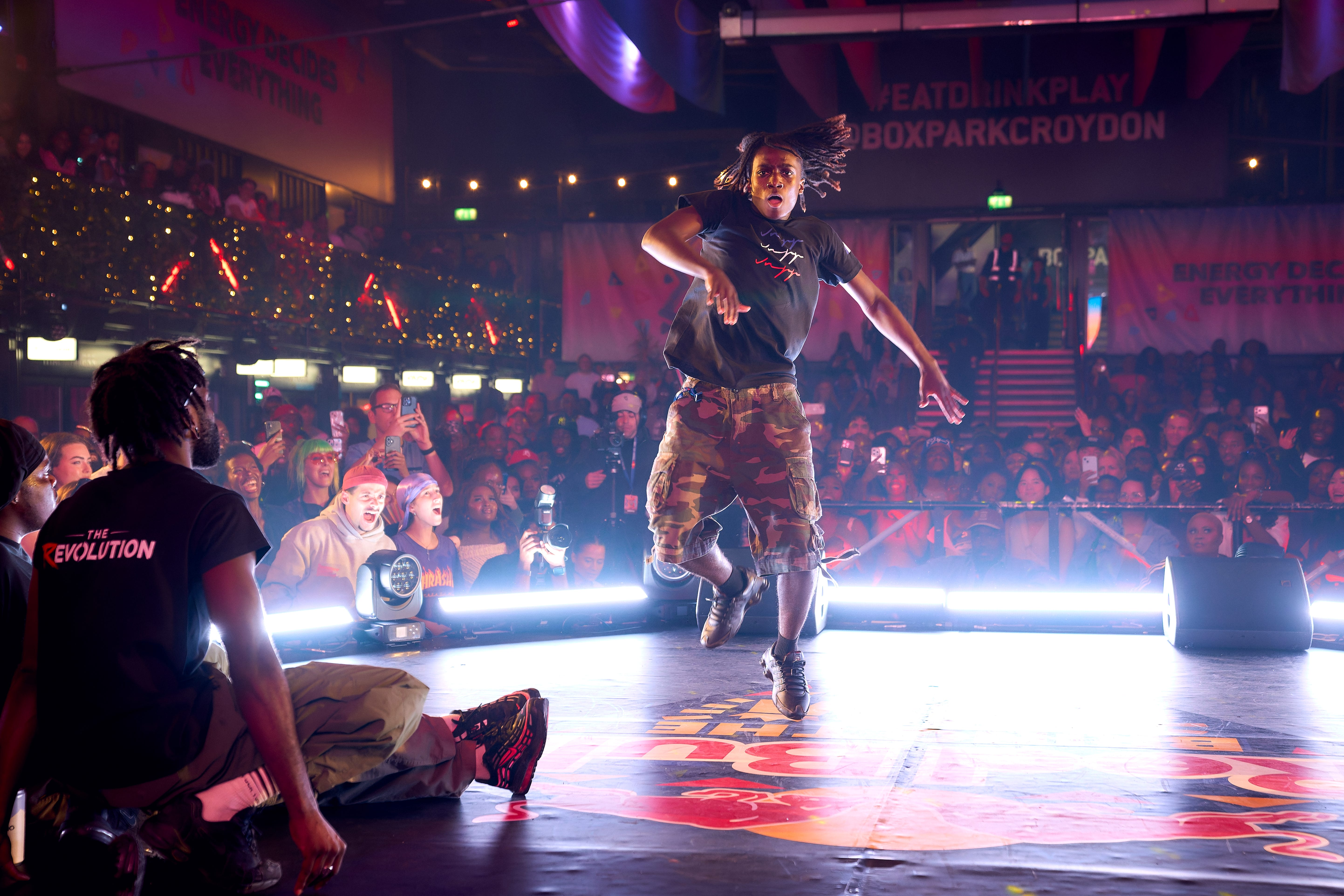

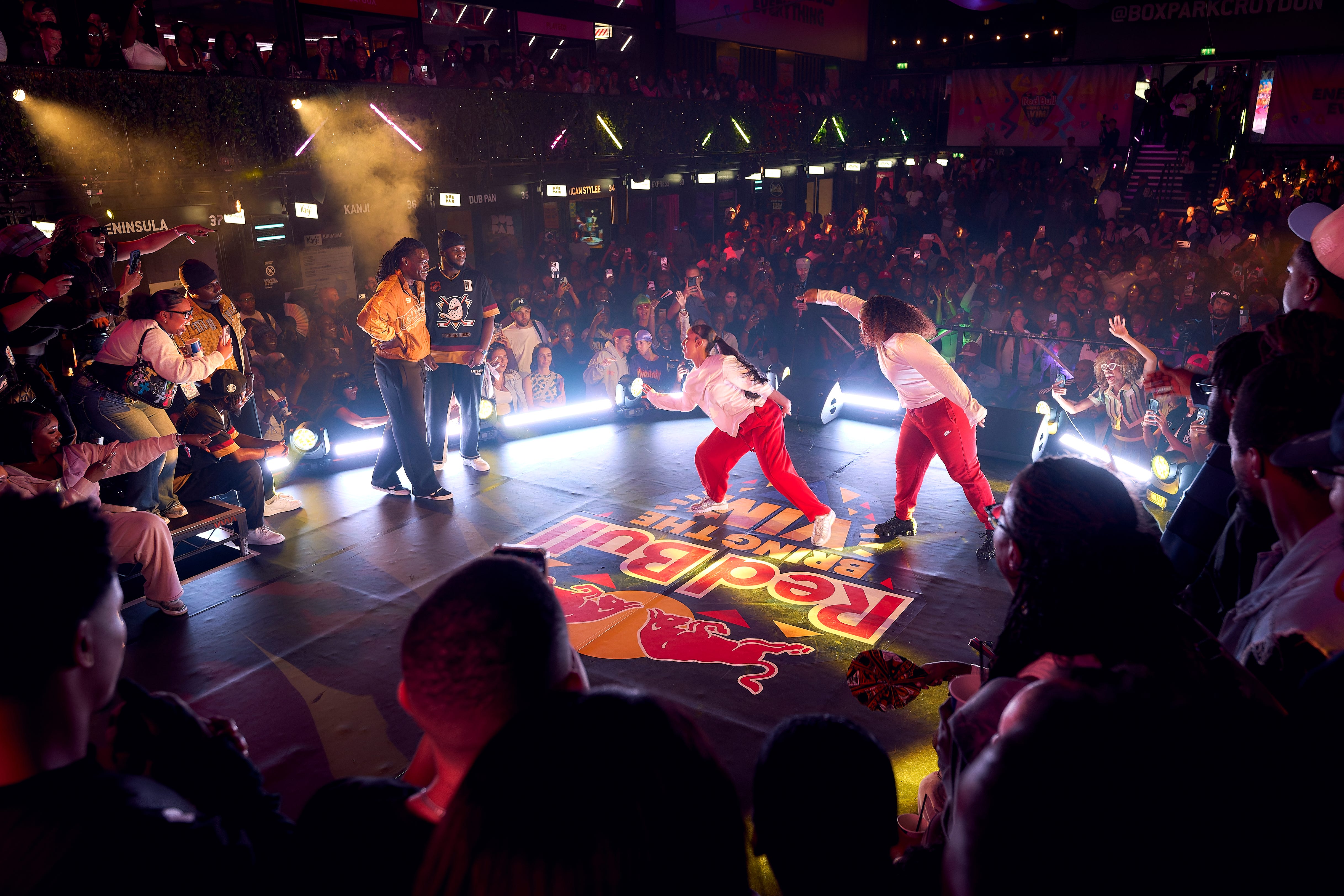
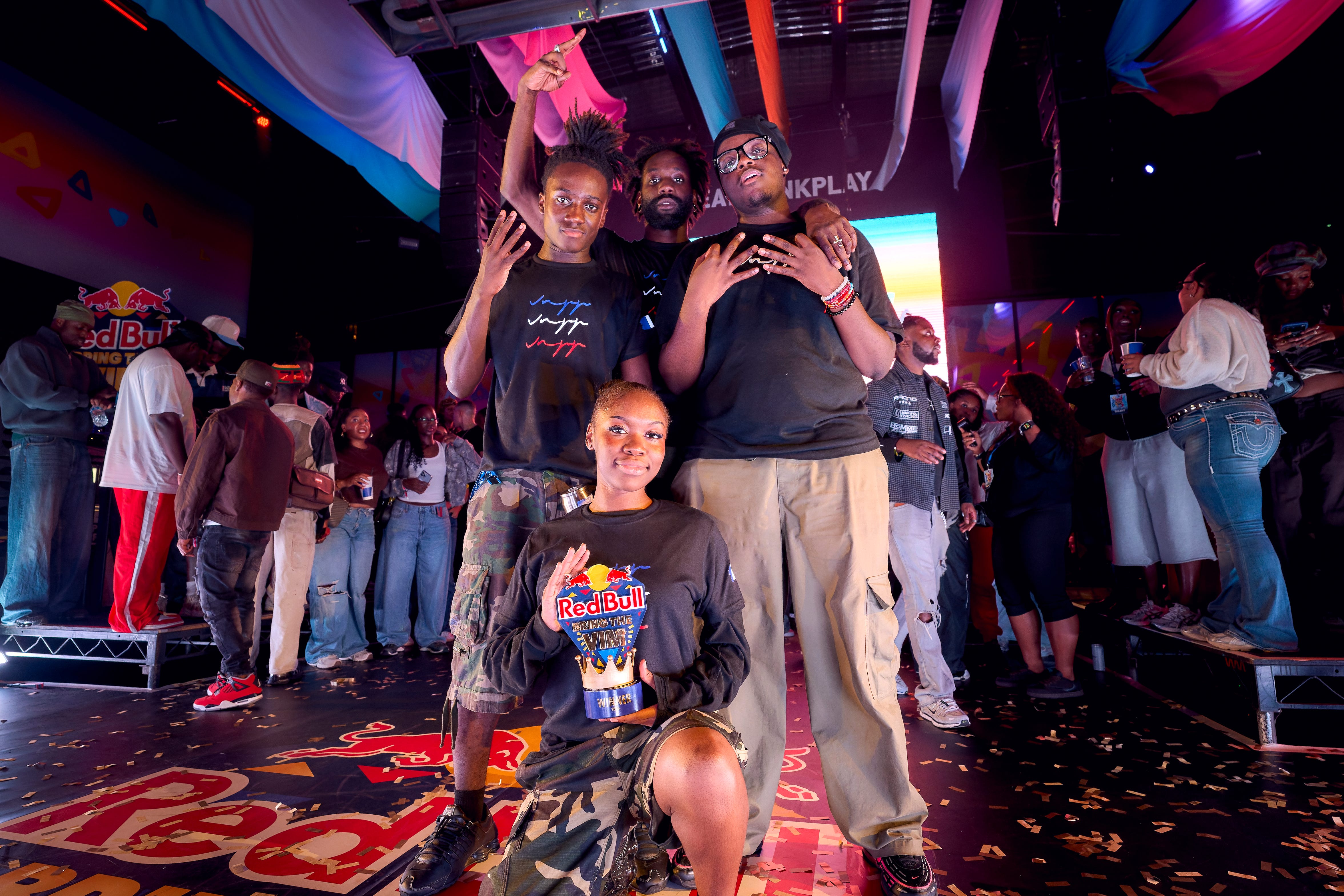
Boxpark Croydon turned into a dance floor with 2000 people in it when Red Bull Bring The Vim came through for its third edition, non-stop Afrobeats sets from CULTUR FM, showcases from HomeBros and Afro In Heels, dance crew battles, and a live set from Afroswing collective NSG. For the first time in the event’s history, international crews joined the competition, and French team La Révolution walked away with the title over UK crew One Dialect, the first international crew to ever win it.
GUAP caught up with both CULTUR FM and HomeBros after the night to talk through what actually goes into building a night like that, on the decks and on the floor.
CULTUR FM
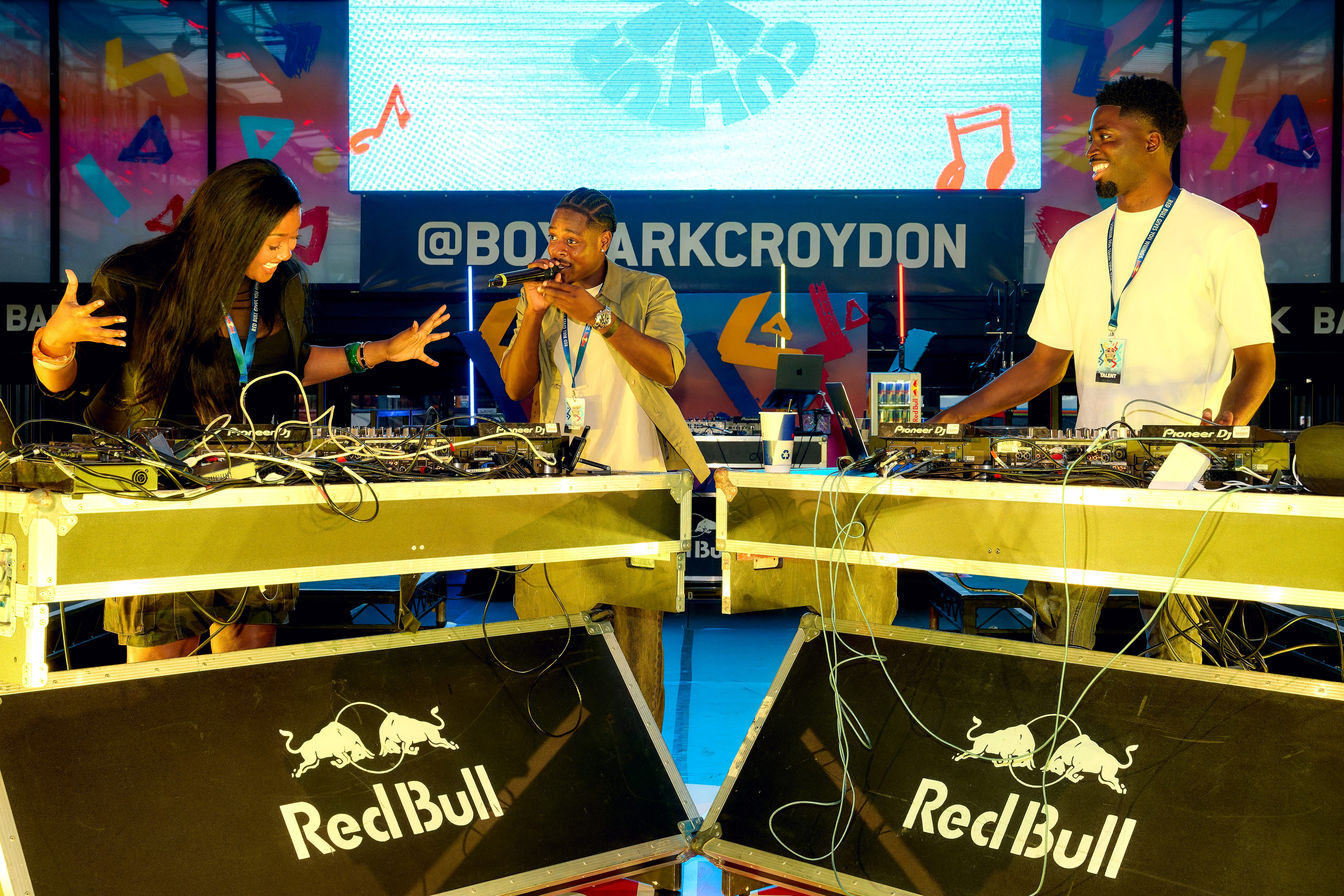
You held the room down all night at Red Bull Bring The Vim. What is different about DJing for a dance-battle crowd, where the energy is dictated by what is happening on the floor rather than by your own build?
TheFirstLady: The biggest difference is that I am not simply building energy for a crowd; I am responding to the dancers in real time. In a battle, the dance floor becomes another instrument. I watch how the dancers move and react to particular sounds, then use those cues to decide where to take the music next. DJing for CULTUR FM VS beforehand helped me find that rhythm: it put me in the groove of reacting in the moment and trusting my instincts.”
Afrobeats has grown into arenas and festival headline slots in recent years. What role has CULTUR FM played in that story on the ground, before the bigger stages caught up?
Moses Akanmu: “We would never claim credit for Afrobeats reaching arenas; that belongs to the artists. Our work sits in an underlying layer that is rarely written about. Before an Afrobeats artist headlines a festival, a DJ has played their record in a small room somewhere in the world and watched how the crowd responds. DJs are often the first filter through which the culture passes.
Our role is to platform those DJs and extend their reach far beyond the room. We treat them as cultural figures in their own right. Because CULTUR FM operates globally, a set does not remain local; it travels across the diaspora. The bigger stages caught up with something that was already happening in those rooms.
What do you look for when choosing music for a night built around dancing, rather than simply listening?
TheFirstLady: For a night built around dance, I think about movement first: how the music feels in the body, not just how it sounds. Every beat, rhythm, percussion line and break gives the dancers something different to work with.
Bringing that approach to a Red Bull and CULTUR FM stage on such a large scale was special. My priority as a DJ is to create a musical journey that people can interpret in their own way, bridging the gap between sound and movement.”
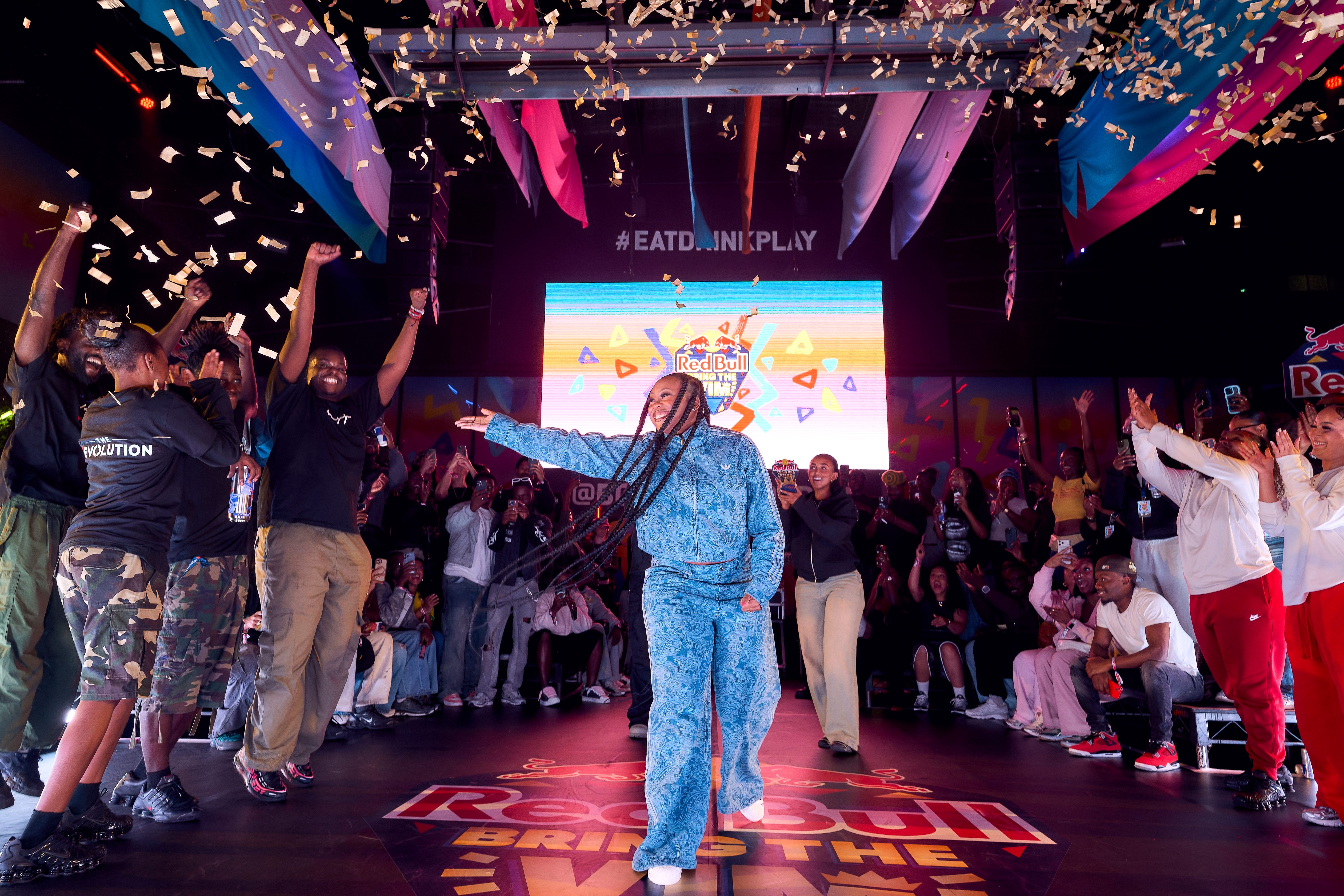
Red Bull Bring The Vim went international this year, with crews from France and Belgium in the mix. Did that change how you approached the set or read the crowd?
TheFirstLady: Not entirely. Music is universal, and I wanted the set to feel inclusive, fun and rooted in the African diaspora - an approach that felt right for the Red Bull x CULTUR FM collaboration. The dancers came from different countries and brought distinct styles, but the music connected everyone. I focused on reading the room, responding to the dancers and bringing my own FirstLady energy to the set. That is what I love about DJing: the same song can mean something completely different to each person in the room.
What is next for CULTUR FM? Are there any events, partnerships or projects you are building towards?
Moses Akanmu: We are in the middle of a growing global run of experiences: entering new cities, building deeper partnerships and placing more emphasis on the culture around the music, including fashion, sport and community.
CULTUR FM introduced us to the world through music and DJs. The next chapter is CULTUR ALWAYS WINS (CAW), which brings together the other expressions of culture we care about: community events, fashion, food, sport and everything surrounding the sound. Our ambition is to become a trusted voice for the culture.
We recently launched a clothing line under CULTUR ALWAYS WINS, marking our first significant step into that space, with much more still to build. The wider vision is a connected cultural ecosystem rather than a series of one-off parties. Every room we create in one city should feed the next. There is plenty in motion for the rest of the year, so do not miss it.
HOMEBROS
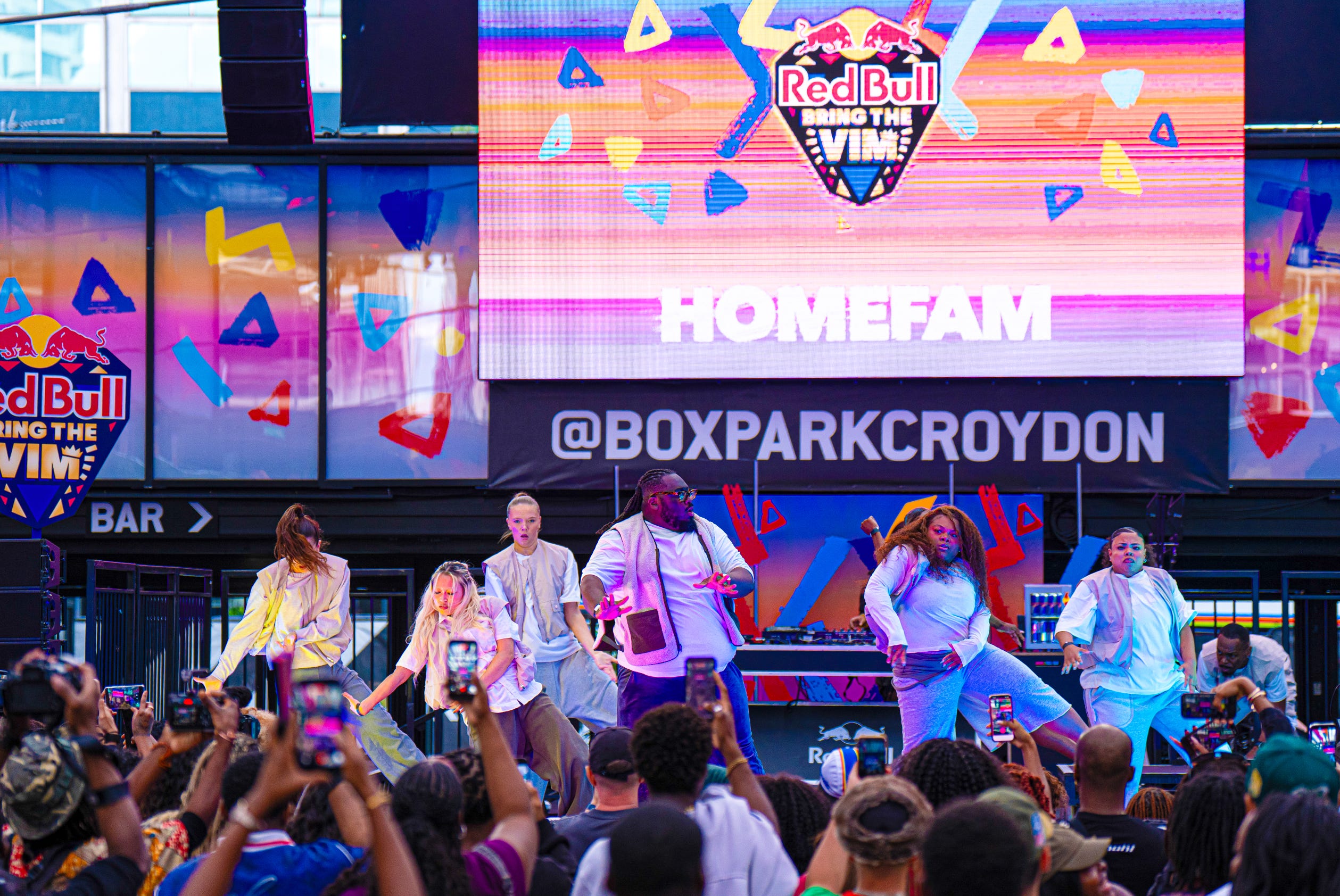
Your showcase stood apart from the crews battling for the title. What does a HomeBros set need to do that a competition round does not?
Kurtis “Kurtyswift” Agyekum: The showcase was deliberately different from the crew battles. We wanted to present the many ways modern African dance styles can be performed and experienced. A platform like this can show the range and adaptability of Afro dance from battles and theatre to social media and classes. Modern African street dance styles are a language of expression.
They can take many forms, each revealing the culture from which the dance comes while allowing audiences to view it through different lenses. HomeBros created this piece with two members of HomeFam, Tilly Indigo and Wahida Sesay. It was an artistic interpretation of Afro dance that explored identity and belonging - a central theme when expressing African culture from the diaspora.
Afro dance has had a major moment in the UK in recent years. From your perspective, what has changed, and what still needs to catch up?
Kurtis “Kurtyswift” Agyekum: From my perspective, Afro dance has had a major platform in the UK for some time. Since 2012, the country has been one of the leaders in the global growth of Afro dance styles. As Afrobeats moved into the mainstream, the UK remained at the forefront of communities outside Africa. The UK has become a second hub for many modern African dance styles because of its diaspora population and the way the music has travelled.
For many artists from Africa, the UK is one of the first stops beyond the continent, supported by a large fan base and a deep appreciation for African culture and dance. London, in particular, brings together diaspora communities from across Africa, including Ghana, Nigeria, Congo and South Africa.
That mix has shaped how younger generations experience and share the culture. The energy has been present for a long time and continues to grow. What has changed is that more people from outside the culture now recognise and engage with it, helping it reach a wider audience.
La Révolution became the first international crew to win Red Bull Bring The Vim. Does that change the standard UK crews are chasing?
Kurtis “Kurtyswift” Agyekum: It is exciting to have the first international Red Bull Bring The Vim champion. La Révolution’s win demonstrates the depth of talent across African dance worldwide, but I do not think it changes the standard UK crews are pursuing. The battle scene is like football: every top-flight team has a chance to win.
The UK and other European countries have strong identities and distinct forms of expression, so the result often comes down to taste, music, preparation and execution. France won this time, but the UK and the rest of Europe will not make it easy next time. That competitive tension will make for a beautiful competition.
What does “Vim” mean to you, both on and off the floor?
Kurtis “Kurtyswift” Agyekum: For me, Vim is feeling, its energy and spirit. The term Vim has been used in Afrobeat music for over a decade and has always been used as a term of encouragement and power to all that use it. I believe that this stays true both on the floor and off the floor. Even in day-to-day life, vim is that cultural way of being tenacious and authentic. More than just a dance term, but a term that relates to life and culture.
What is next for HomeBros? Are there any showcases, collaborations or projects on the way?
Kurtis “Kurtyswift” Agyekum: HomeBros are committed to the growth, education and artistic exploration of modern African street dance styles, from a grass root level, all the way through to professionals. We aim to share and uplift the culture in the UK and internationally. Expect us to continue traveling the world delivering workshops, choreographing for stage and screen. As well as providing events and spaces for dancers to explore and grow. We are very blessed to be in this position and we don’t take it for granted. Africa to the world. #feelingfirst”