



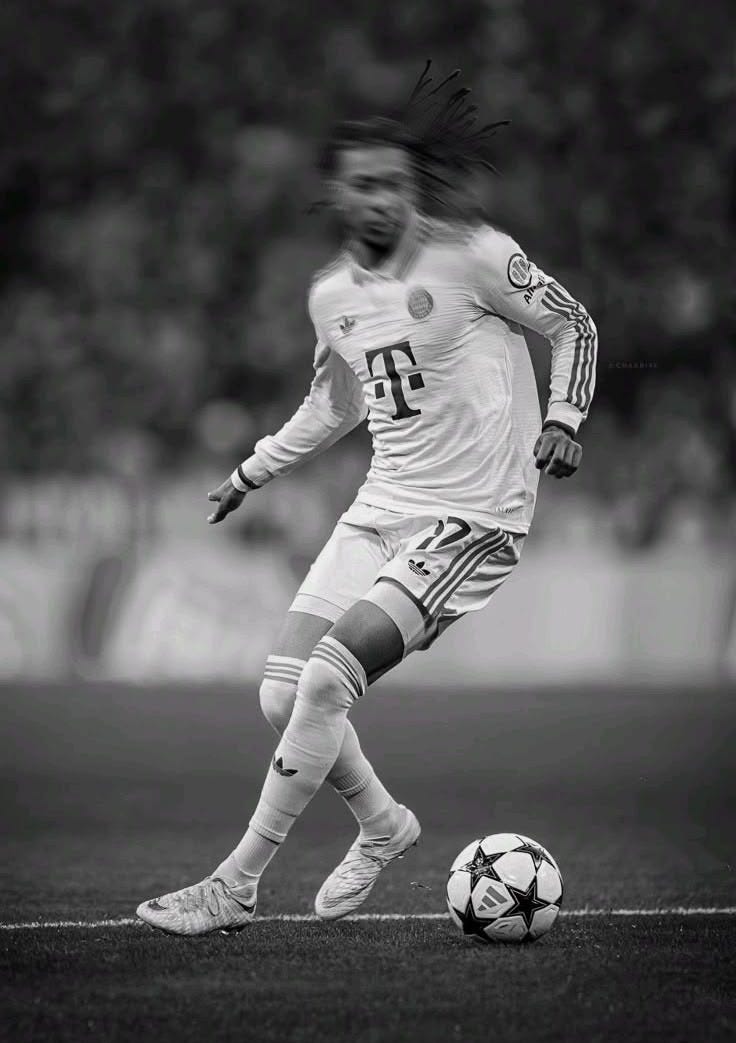
Open TikTok, Youtube, X, it doesn’t matter, within seconds you’ll find one flairy footballer juggin to music you’ve never heard. A video that makes them look like the main character from a blockbuster film. Crisp slow-mos, hard cuts on beat, colour grading that turns a Tuesday night in Dortmund into something truly cinematic. The Football edit has quietly become one of the most consumed formats on the internet, despite being so largely overlooked and lowkey under-appreciated.
Two Schools, One Culture.
There are essentially two types of football edits, and they serve completely different purposes. The first is the highlights package: structured and educational. Think simple transitions, skills, goals and assists with a focus on craft. These exist to make a case. They say: watch this player, understand what they can do and respect it. They build credibility. I remember watching Ronaldinho comps on Youtube, as early as 2008, I already knew how Godly he was as a player, but those edits immortalised him in a way that stuck with me till this day.

Then there’s the other kind. And this is where it gets interesting. The Vibe Edit doesn’t care about comprehensive coverage. It’s curated, experiential and deliberately emotive. It picks key moments and wraps them in a sound that hits in exactly the right place. It creates a feeling. It’s not trying to document a player, it’s trying to make you feel something about them. Aura over accuracy. Myth over metrics. Some of these videos rack up millions of views, not only because football fans are obsessive, but because the format just works. Even a casual fan who’s never watched a full game can be enamoured by the allure of a 2018 Pogba cut. The football edit has become an entry point to the religion of football.
