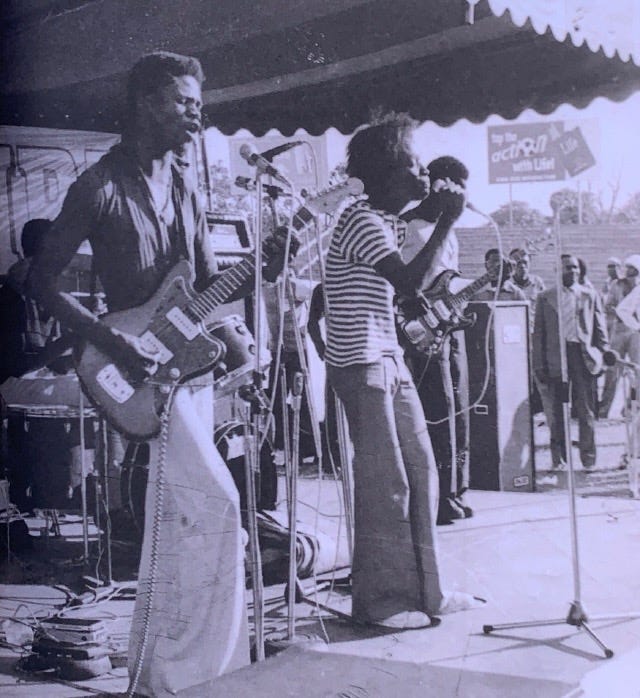



The Federation of Rhodesia and Nyasaland had just become defunct, the township jazz (quartets) era was coming to an end, creatives in suits and ties were being replaced with bell bottoms and “Linda shoes”, the iconic high-heeled platform shoes that defined the hippie stylish era of Zimbabwean township rock. The 70s in Zimbabwe saw the resurgence of township rock music fronted by black African youths birthed from townships through suppression and segregation. The influence came from the height of the Anglo-American hippie culture in the 60s, which was taking over the world by storm. Colonization being the main theme in Zimbabwe (then Rhodesia), the current regime made it a mandate for the radio stations, record bars, and anywhere you could listen to sound on a speaker to be filled with Western music, including rock music. Rock music in itself is birthed and driven by rebelliousness. It was never a problem to the colonizers for Western rock to be filled in the system because the “rage” wasn’t directly against their “machine”. It all changed when township youths picked up guitars and drums, and that same Western rock music fueled Zimbabwean township rock to be a drive for the resistance.
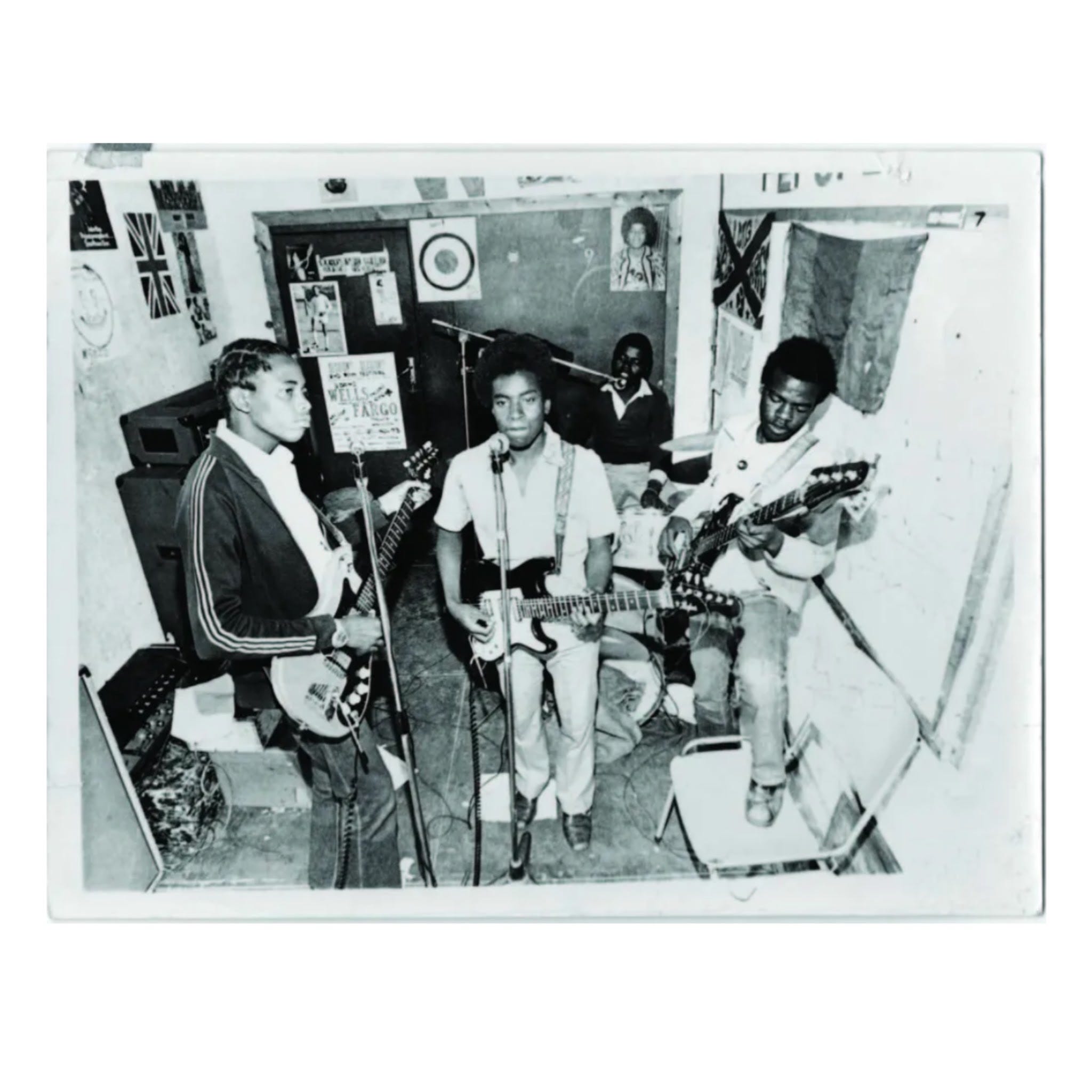
Wells Fargo, a heavy rock band from Bulawayo formed in the 1970s, created an anthem called “Watch Out”, translated as “Hokoyo” in Shona, one of our indigenous languages, which coincidentally another song also exists with that same name that was revolutionary. Watch Out, the raw version of it, was banned before it even existed. The 7-inch singles were sabotaged and not properly moved because of its political instigations. The original lyrics to it went as “Watch out, have gun will travel, freedom is coming”, which was a direct stint to the then Rhodesian government. The latter recording, the “cleaner version”, which they were suggested to re-record upon the banning of the original, went as “Watch out, big storm is coming”, and was partly tolerated but later on banned as well. It managed to circulate among the people, fueling the guerrillas who were part of the resistance. Wells Fargo faced police brutality, spies’ invasion of their concerts, record sabotage, and unlawful arrest throughout their career in the 70s.