



African football has shaped the modern game, producing generations of world-class players and supplying some of the most valuable talent in the international transfer market. Yet the relationship between the continent that develops these players and the industry that profits from their careers remains complicated. The question is no longer simply how African talent reaches Europe, but who benefits from the journey.
In 2025, clubs around the world spent a record $13.08 billion on international transfer fees in men’s professional football, according to FIFA’s Global Transfer Report. It was the first time annual spending had crossed the $10 billion mark. The figure captures the extraordinary scale of football’s international marketplace, where players move between clubs, leagues and continents as part of an increasingly sophisticated global business.
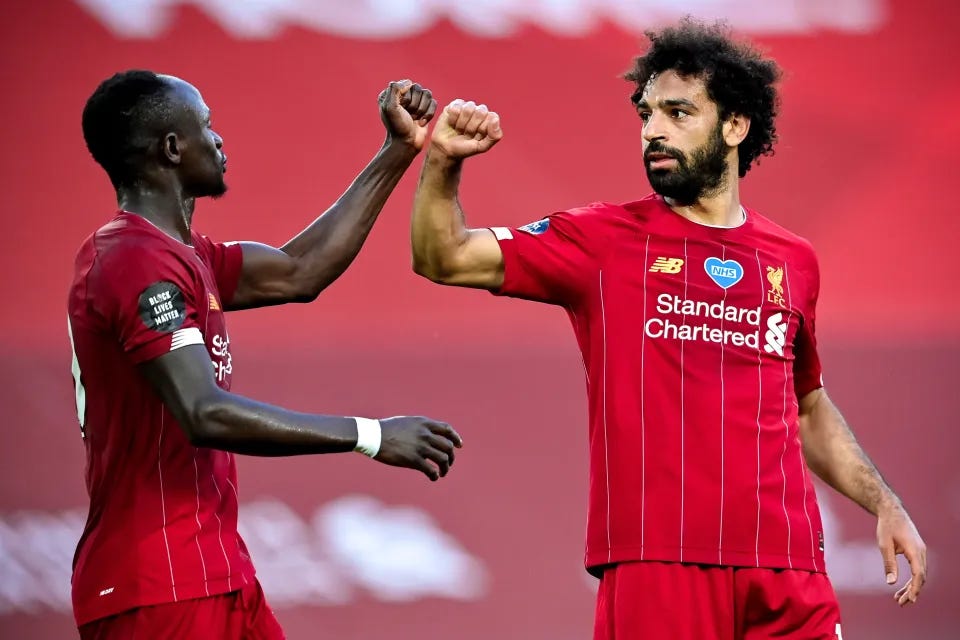
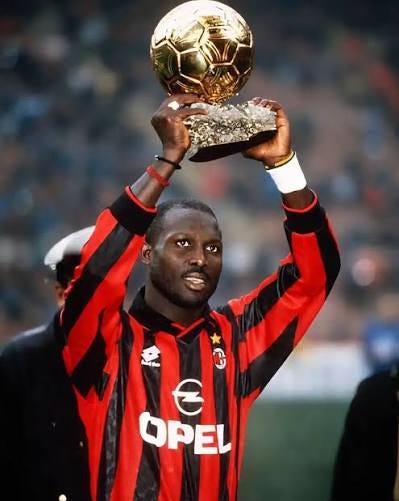
Africa occupies a significant place within this economy. Its players have helped define generations of European football, from George Weah, Didier Drogba and Samuel Eto’o to Yaya Touré, Mohamed Salah, Sadio Mané and Victor Osimhen. Their careers have brought trophies, commercial attention and enormous sporting value to the clubs that signed them. Their influence extends beyond the pitch, shaping how African football is watched, discussed and understood internationally.
But the success of individual players tells only part of the story. Behind every professional career is a network of people and institutions: local clubs, coaches, academies, scouts, agents, families and communities. Some invest years in developing a player before a European club enters the picture. Others operate within a recruitment economy that has become increasingly international. The financial rewards, however, are not always distributed in proportion to the contribution made.
This is not a question of whether African football produces enough talent. It clearly does. The more difficult question concerns the economic structures surrounding that talent, and the extent to which African football institutions can participate in the wealth their work helps generate.
A history of movement
The migration of African footballers to Europe is often presented as a contemporary phenomenon, driven by global scouting networks and the expansion of the transfer market. Its history is considerably older, and its geography is not accidental.
Colonial relationships helped establish some of the routes through which players moved. Football developed across territories shaped by British, French, Belgian and Portuguese rule, but the connections between those territories and European football were not identical. Language, education, migration networks and institutional relationships all influenced where players travelled and which clubs became accessible.
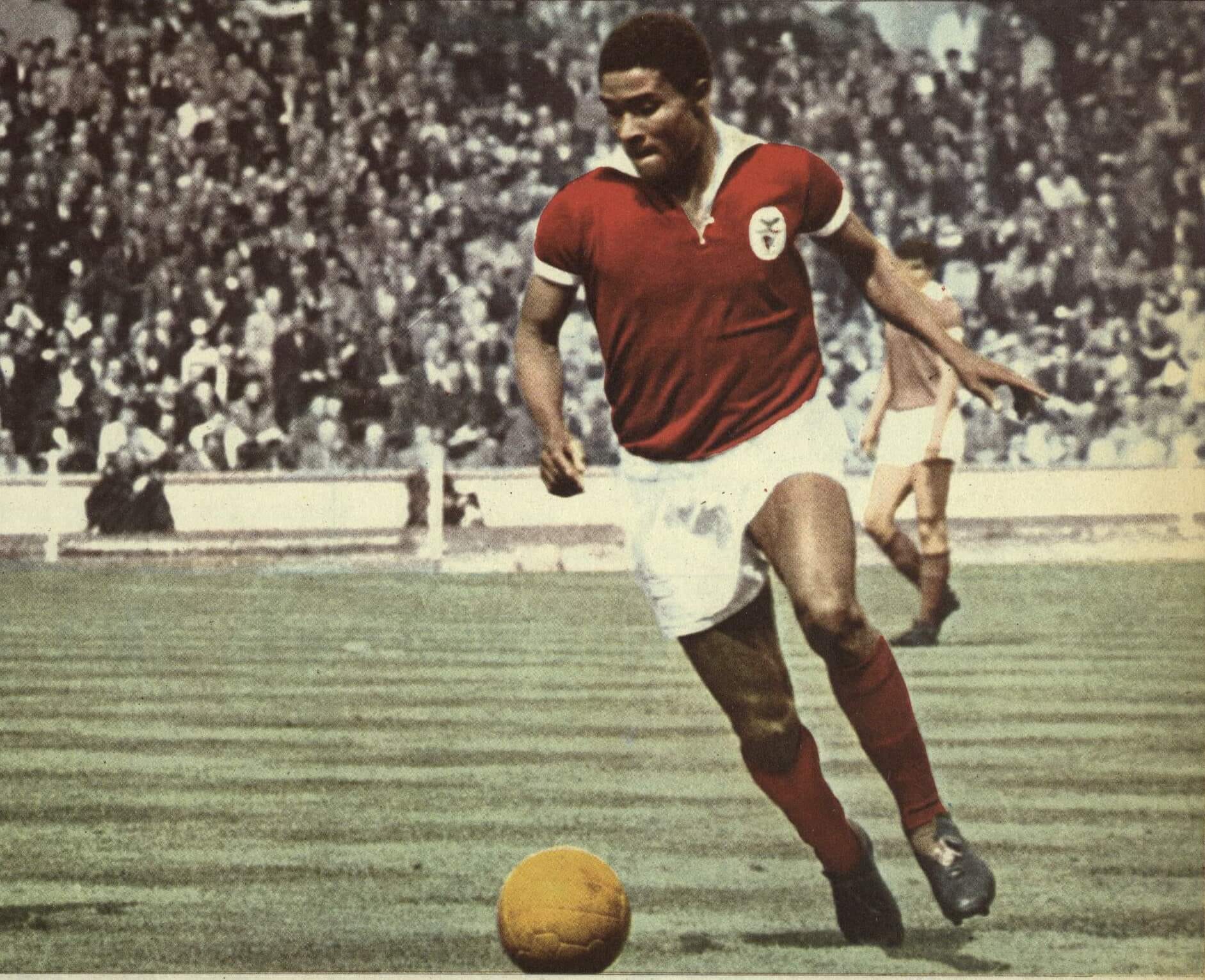
Portuguese clubs, for example, began recruiting players from territories including Mozambique and Angola during the colonial period. France developed strong connections with players from parts of West and North Africa, while Belgium became an important destination for footballers from the territory of the former Belgian Congo, now the Democratic Republic of the Congo.
These routes evolved over time. They were shaped by political independence, changing federation policies, the growth of professional football and the increasing internationalisation of European leagues. The movement of Ghanaian players, for instance, followed a different historical trajectory from that of players arriving in France from former French territories. British football also maintained a more restrictive approach to overseas recruitment for much of the twentieth century.
Research by sports scholars Paul Darby, James Esson and Christian Ungruhe examines how these historical relationships continue to influence the geography of African football migration. Their work also identifies a more recent diversification of destinations, with African players increasingly pursuing professional opportunities in Asia and the Middle East, alongside the established European markets.
The Bosman ruling of 1995 is often associated with football’s wider transformation into a more mobile labour market. It changed the regulatory environment for players moving within the European Union, although it did not itself create African football migration. That movement had much deeper roots. What changed over subsequent decades was the scale and sophistication of the international recruitment system.
For players, migration can represent a genuine opportunity. European leagues may offer higher salaries, professional facilities, specialist medical support, stronger competition and greater international visibility. A successful career abroad can change the financial circumstances of an entire family. Players and their families are active participants in these decisions, pursuing ambitions that are entirely their own.
Yet when the most attractive professional opportunities are concentrated outside a player’s home country, migration also becomes part of the economic structure of the game. The question is not whether players should leave. It is why so much of the infrastructure, investment and commercial power surrounding elite football remains concentrated in a relatively small number of international markets.
The academy economy
One of the most important developments in African football over the past three decades has been the expansion of private academies and structured youth development programmes.
The word academy can suggest a fairly uniform institution, but the reality is much more varied. Research by Darby, Gerard Akindes and Matthew Kirwin identified different models operating across West Africa: academies founded by local clubs or federations, partnerships with European clubs, privately owned or foundation-funded institutions, and informal facilities operating without established affiliations or adequate resources.
These organisations do not share the same objectives, financial structures or standards. Some are designed primarily to develop players for professional football abroad. Others combine football training with education, employment and wider community development. Their influence on the local game can therefore be very different.
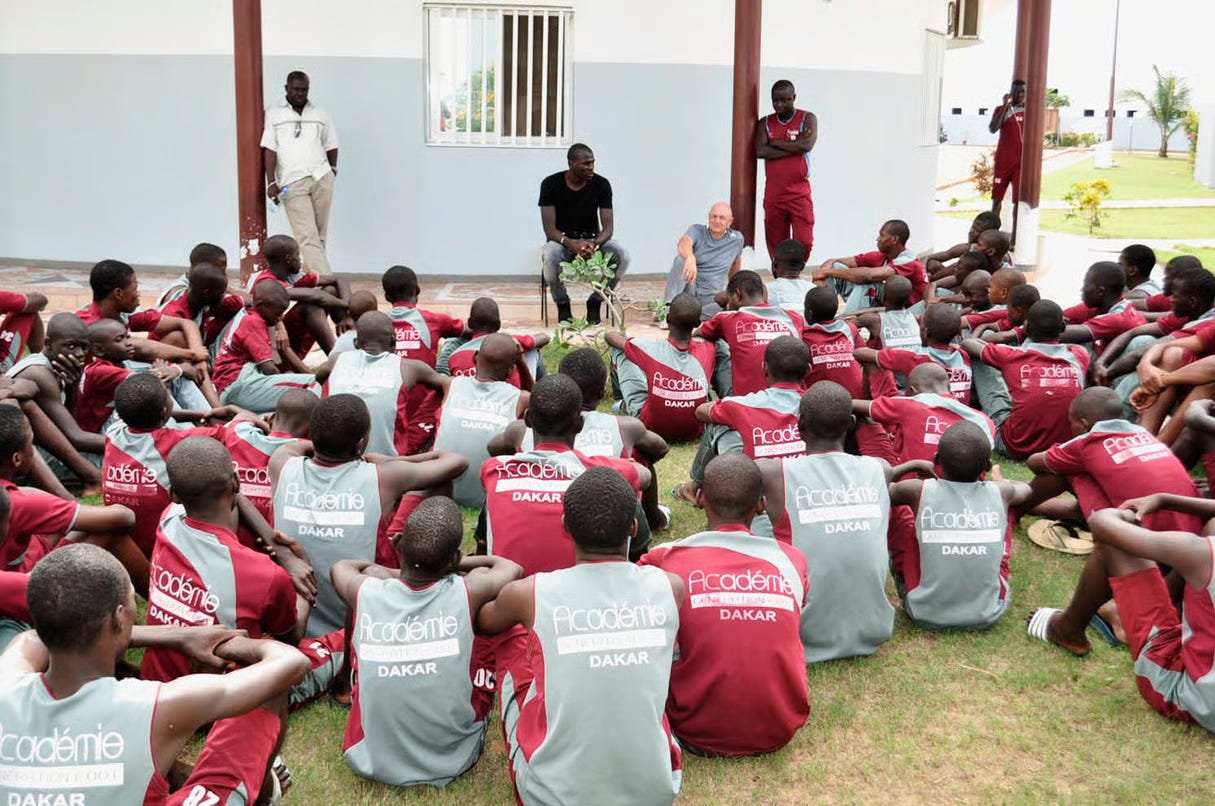
Senegal’s Génération Foot is one of the best-known examples of a structured development pathway. Founded by Mady Touré in 2000, the institution developed a partnership with French club FC Metz in 2003. The relationship helped create a route into European professional football for players including Sadio Mané, Papiss Cissé and Ismaïla Sarr. Génération Foot also developed as a club within Senegal’s domestic football system, eventually winning the national championship.
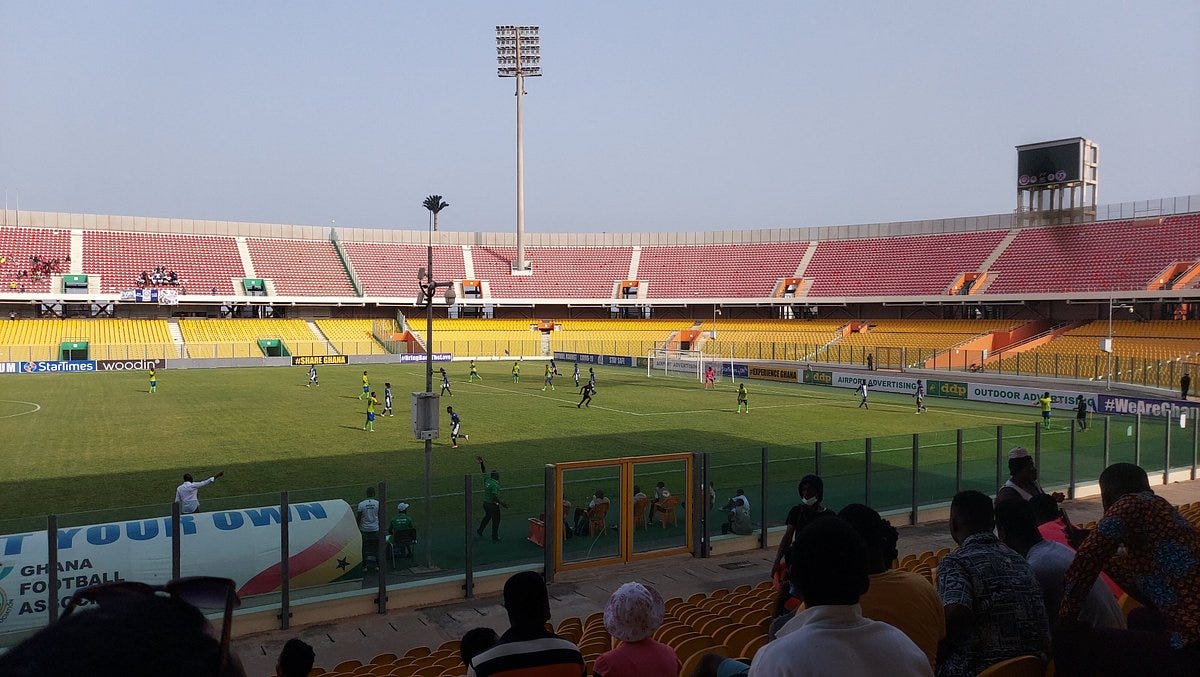
Ghana offers another perspective through Right to Dream, established in 1999. Its model combines football development with education and opportunities for young people, with graduates including Mohammed Kudus and Kamaldeen Sulemana. The organisation has since expanded its international network, demonstrating how an academy founded in Africa can build influence beyond the continent.
These examples are important because they move the discussion beyond the familiar image of a European scout discovering an unknown player. African institutions are not simply waiting to be found. They are developing players, establishing partnerships, building professional pathways and, in some cases, creating international networks of their own.
There is also a growing body of research examining locally owned Ghanaian academies. A 2026 study by Itamar Dublinsky, based on ethnographic research, explores how institutions such as Kumasi Sports Academy and Unistar Academy combine commercial activity with education, employment and community development. The research highlights their potential as local development institutions, while also examining the contradictions that emerge when commercial ambitions meet the social expectations placed on football.
This is a perspective that deserves greater attention. Discussions of African academies have often focused on their relationship with European clubs, sometimes portraying the institutions as little more than recruitment outposts. That framing overlooks African owners, coaches, entrepreneurs and administrators who are building organisations with their own ambitions and local responsibilities.
At the same time, the existence of successful academies does not resolve the structural challenges facing the wider game. The ability to develop a player is not the same as having the financial power to retain them, negotiate from a position of strength or capture the commercial opportunities that follow an international career.
Who gets paid for development?
A transfer fee is one of football’s most visible financial transactions. It is also an incomplete measure of the work behind a player’s development.
When a player moves between clubs, the fee is negotiated between the selling and buying institutions. But a player’s development may have involved several other clubs, coaches and academies, sometimes across different countries and over many years. The transfer agreement does not, by itself, explain how those contributions are recognised.
FIFA has established mechanisms intended to reward clubs involved in player development. Training compensation is designed to reward clubs that invest in a player’s training and education when that player becomes professional, or in certain subsequent transfers. The solidarity mechanism allows qualifying training clubs to receive a proportion of relevant transfer compensation when a player moves between clubs during their professional career.
Under the solidarity mechanism, five per cent of qualifying transfer compensation is distributed among clubs that trained the player between the calendar years of their 12th and 23rd birthdays. These payments can provide an important source of income for smaller development clubs, particularly those without the commercial resources of elite European institutions.
The FIFA Clearing House, launched in November 2022, was designed to improve the identification and distribution of these training rewards. In July 2025, FIFA reported that more than $500 million had been allocated to approximately 7,000 clubs worldwide, with $300 million distributed.
Those are significant figures, but they are global figures. They do not tell us how much has reached African clubs, which countries have benefited most, or how effectively individual institutions can access the system. That distinction matters when evaluating the actual economic impact of the mechanism on African football.
The broader commercial economy is even more complex. Transfer fees are only one part of the business surrounding a successful player. Broadcasting rights, sponsorship agreements, merchandise, image rights, social media partnerships and international brand campaigns all contribute to football’s commercial value. Much of this activity is organised through institutions and markets in which African clubs may have limited negotiating power or direct participation.
A player can become a global commercial figure while the club where he first developed remains financially modest. The academy that provided early coaching may have little involvement in later sponsorship negotiations. The local league that helped establish his career may not benefit directly from the international audience attracted by his success.
This is not necessarily the result of one party deliberately withholding money from another. It reflects the way football’s commercial infrastructure is organised, where ownership, broadcasting power, sponsorship networks and access to major markets are unevenly distributed.
The question, then, is not simply how much a player is worth. It is how much of the economic activity surrounding that player can be retained, reinvested or developed within the football structures that helped produce him.
The problem with the promise of discovery
The international recruitment market also creates vulnerabilities, particularly for young players who have not yet secured professional contracts.
For many families, football represents a possible route to financial security and international opportunity. The success stories are visible everywhere. The unsuccessful journeys are much less so. This imbalance can make young players vulnerable to individuals who sell access to trials, contracts and European clubs that may not exist.
The Institute for Security Studies has documented cases involving young footballers from countries including Cameroon, Ghana, Nigeria, Senegal, Côte d’Ivoire and The Gambia. Some were approached by people posing as agents or scouts, promised opportunities abroad and asked to pay substantial fees. Others travelled through North African countries in the hope of reaching European clubs, only to find themselves stranded without contracts, money or a reliable route home.
One case documented by the organisation involved a Senegalese teenager whose family paid agents more than €5,000 for a promised opportunity in Portugal. After arriving, he had no club and the intermediaries disappeared.
These accounts reveal a particularly troubling aspect of the international football economy: the distance between the promise of professional opportunity and the reality experienced by young people attempting to access it. The problem is not migration itself, nor the ambition to play abroad. It is the lack of reliable pathways and the presence of intermediaries prepared to profit from uncertainty.
Regulation, transparent recruitment practices and accessible information about licensed agents are essential. Clubs and federations also have a responsibility to make their recruitment processes clearer, particularly when dealing with minors and families unfamiliar with the international transfer system.
The wider industry benefits from a global pool of ambitious young players. Protecting those players should be part of the same conversation as developing them.
Beyond the European pathway
There is another dimension to this discussion that deserves attention: how African players are perceived during the process of talent identification and development.
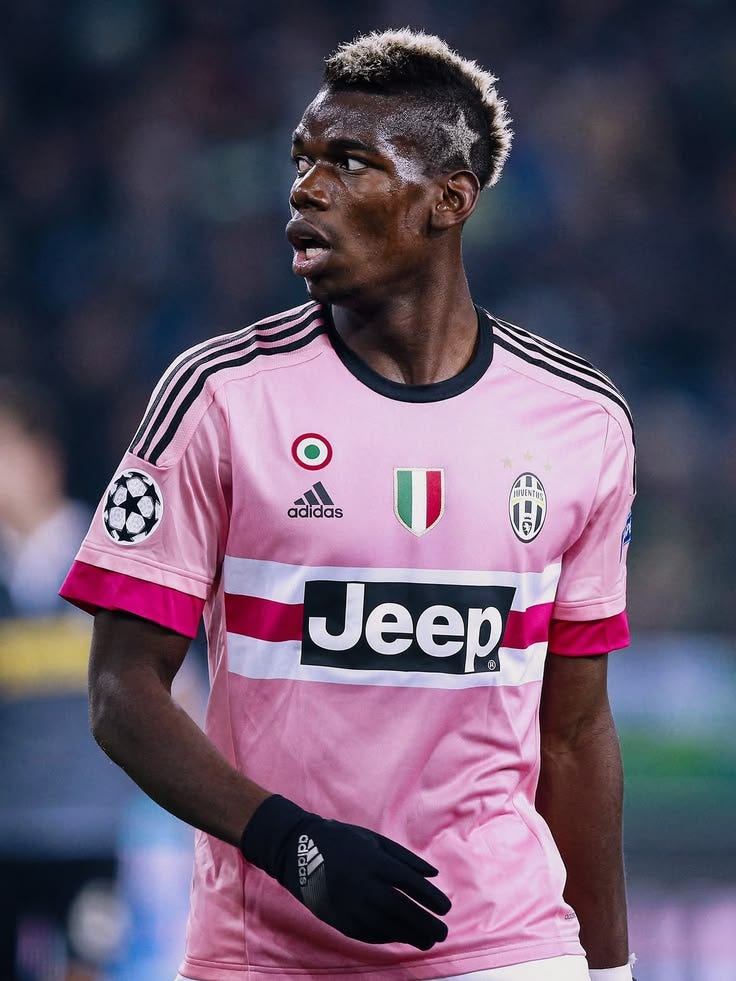
Research published in 2025 by scholars examining West African football development explored racialised stereotypes in the recruitment and coaching of African players. The study’s title, quoting descriptions of players as “big, strong, reliable guys who have the legs to run”, points towards a familiar set of assumptions about physicality, athleticism and playing intelligence.
Such perceptions can influence how players are evaluated, which qualities are prioritised and what kinds of footballing identities are encouraged. They also sit within a longer history of racialised commentary in the sport, in which African players have sometimes been celebrated for physical attributes while their tactical, technical and intellectual contributions receive less attention.
This is not to suggest that every scout, coach or club operates according to the same assumptions. It is to recognise that talent identification is never entirely separate from the cultural ideas through which talent is interpreted. The language used to describe players can shape expectations about what they are capable of becoming.
African football deserves to be understood through the full range of its footballing traditions, technical expertise and tactical development, rather than through a narrow set of physical stereotypes.
The continent’s football cultures are also far from uniform. Senegal’s development system, Ghana’s academy networks, Nigeria’s domestic football landscape, Morocco’s investment in infrastructure and the histories of clubs in Côte d’Ivoire or Cameroon cannot be reduced to one shared experience. Each has its own institutions, successes, constraints and ambitions. Any serious discussion of African football needs to account for those differences.
Building more than a talent pipeline
The future of African football’s economic position will depend on more than producing another generation of elite players. It will depend on the ability of its institutions to develop sustainable domestic competitions, improve governance, attract investment and participate more effectively in the commercial structures of the global game.
Infrastructure is part of that picture, but it is not limited to stadiums and training pitches. Reliable youth development, qualified coaching, medical facilities, competitive domestic salaries, professional administration, broadcasting distribution and stronger club ownership all contribute to a functioning football economy.
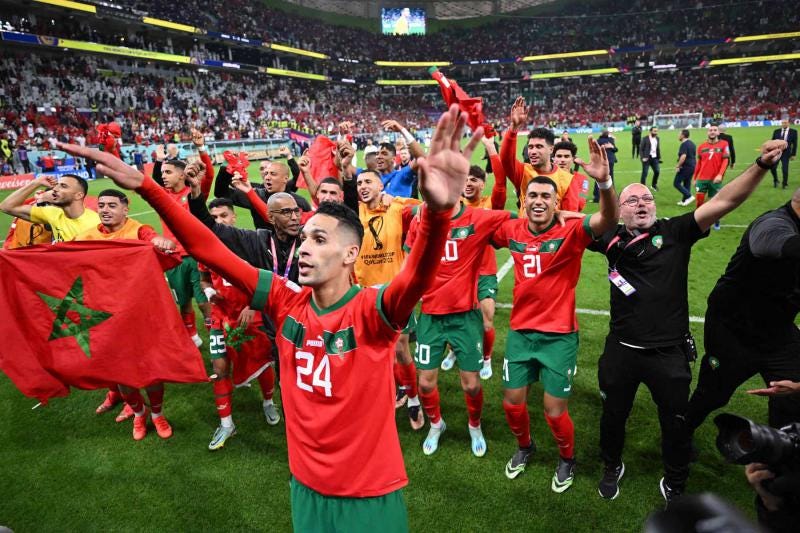
There are already examples of African institutions pursuing these ambitions. Morocco’s investment in football infrastructure and youth development, for instance, has helped create a more visible national football project. Senegalese and Ghanaian academies demonstrate different approaches to player development and international partnerships. Across the continent, local clubs and entrepreneurs continue to build systems that reflect their own circumstances and priorities.
The challenge is scale, sustainability and access to capital. A successful academy cannot compensate for an entire domestic league operating with limited resources. A strong national team does not automatically produce financially secure clubs. International recognition does not necessarily translate into greater control over broadcasting, sponsorship or commercial rights.
Nor should the objective be to prevent players from pursuing careers abroad. African footballers have every right to move, compete and build successful lives wherever they find opportunity. Their international careers have also brought visibility and inspiration to the communities they come from. The ambition should be to make sure that the development of football at home can progress alongside that movement.
The global game has already demonstrated how much it can gain from African players. The next question concerns what African football can gain from the global industry it has helped shape.
Europe has developed powerful recruitment networks, commercial structures and professional leagues that attract talent from around the world. African football has its own institutions, knowledge, audiences and entrepreneurial energy. The relationship between the two should be understood as more than a story of players leaving one continent to succeed on another.
It is a question of economic participation, institutional influence and the ability to build a football future that extends beyond the next transfer.
Africa has never lacked footballing talent. The more consequential ambition is to ensure that the structures developing that talent have the resources, recognition and financial influence to shape what happens next.

If you are interested in becoming a GUAP contributor and telling stories that matter to the culture we want to hear from you. We commission emerging writers, journalists and video creators every month to cover the people, communities and moments our audience needs to discover. Your subject. Your voice. No brief.
For more information/submit a story - click here.

Consider becoming a paid subscriber and gain access to:
The full GUAP Daily: five deep-dive articles/video essays written by and for the culture, a week straight to your inbox, Monday to Friday.
The Sunday opportunities newsletter - jobs, freelance roles, commissions, casting calls and industry openings every week
Monthly online events - masterclasses, workshops, live interviews and community gatherings ran by OURPPLS.
Discounts/Perks from our community partners including Tunecore,
For only £6 a month (price of a coffee) you get access to the opportunities, the knowledge and the community that keeps you close to the culture. Whether you are building something or you just care about what is happening - this is where you want to be. And every membership puts money directly into the hands of the writers and creators telling the stories that actually matter.