



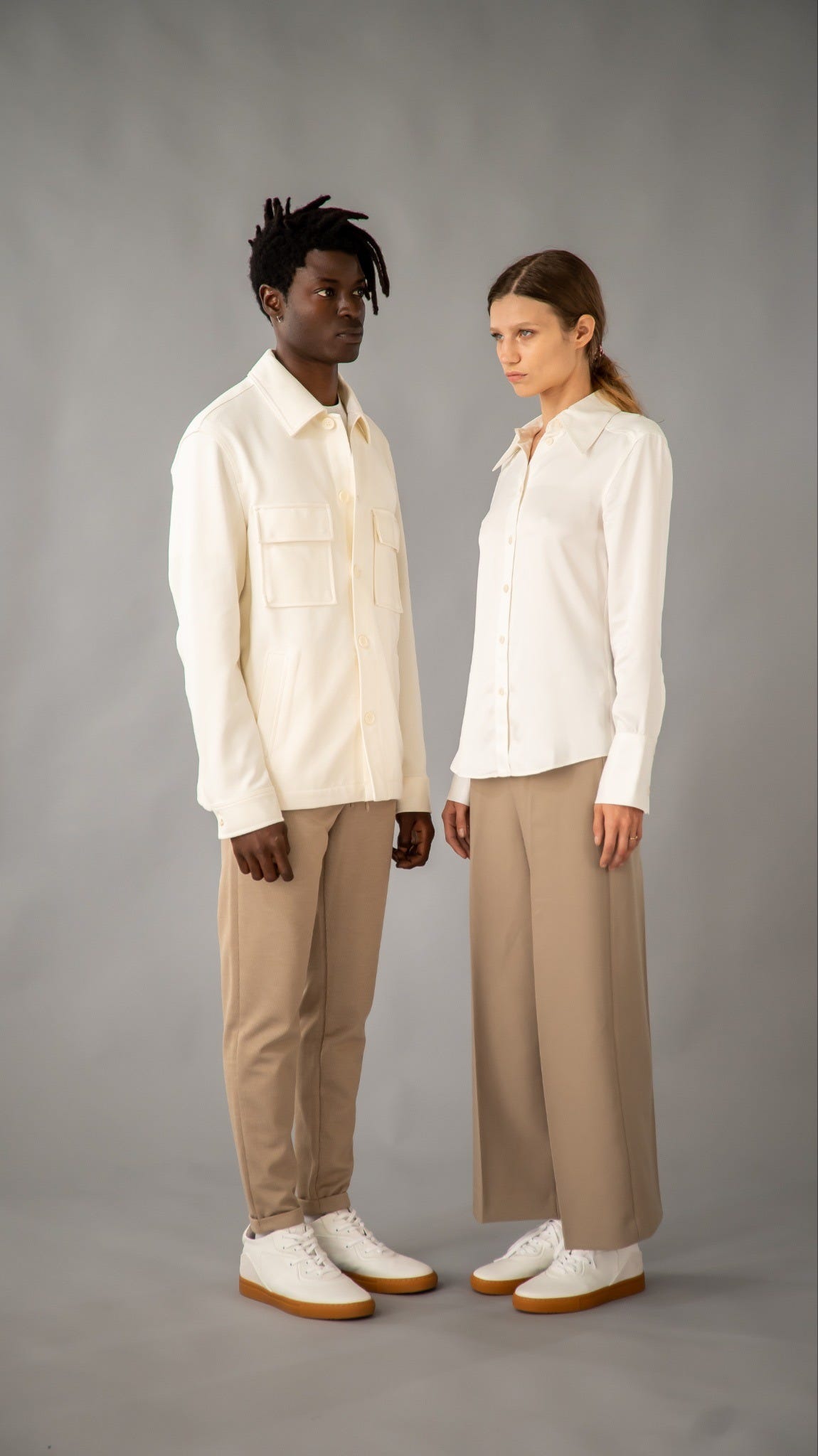
When Creativity Comes With Expectations
Fashion celebrates individuality. It thrives on experimentation, reinvention, and the ability to challenge what already exists. Yet the freedom to create without explanation isn’t always extended equally.
For Black designers, creativity can come with an unspoken set of expectations. There is often an assumption that our work should reflect a particular aesthetic, cultural reference, or category. Streetwear, sportswear, and urban fashion have become familiar spaces in which Black creativity is recognised and celebrated.
And while those categories are important parts of fashion history, they should never represent the limits of our imagination.
Black designers have contributed to nearly every corner of the industry, from luxury fashion and tailoring to footwear, textiles, accessories, and experimental design. Yet the conversation around Black-owned brands can still feel narrower than the work itself.
It raises a question worth examining: Who gets to create freely, and who is expected to explain their creativity through the lens of their identity?
The Difference Between Recognition and Creative Freedom
There is nothing wrong with being associated with streetwear. Black culture has played an undeniable role in shaping its global influence, and that contribution deserves recognition.
The problem begins when recognition becomes expectation.
When a Black designer launches a sneaker brand, is the assumption that the product must be athletic or streetwear-inspired? When a Black-owned label introduces luxury accessories, unconventional textiles, or experimental silhouettes, is that work given the same space to exist without explanation?
These questions aren’t about rejecting cultural influence. They’re about rejecting the idea that cultural identity should determine creative boundaries.
Designers should be able to draw inspiration from their heritage, personal experiences, vintage fashion, architecture, art, or simply something they find beautiful.
They should also have the freedom to change direction.
A designer can appreciate streetwear while creating tailored outerwear. They can make sneakers and still explore jewelry. They can embrace cultural influences without making every collection an explicit statement about identity.
Our backgrounds can inform our creativity without being expected to define its limits.
Building PerryCo Outside Traditional Categories
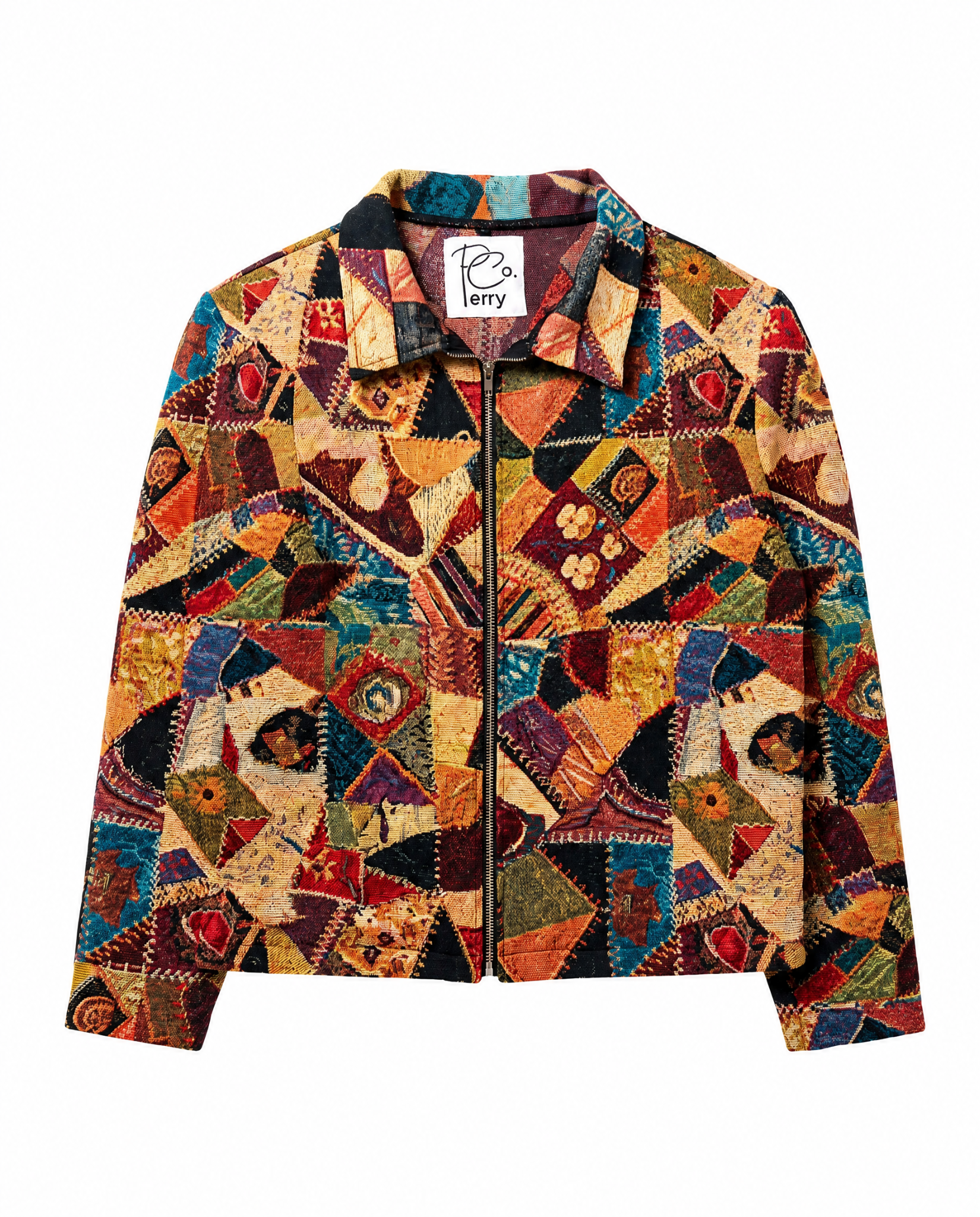
(PerryCo Heirloom Jacket)
When I founded PerryCo in 2018, I didn’t come from a traditional footwear design background. I had no formal training in the industry, no established network of manufacturers, and no outside investment.
What I had was an idea and the determination to build something of my own.
From the beginning, I wanted PerryCo to challenge conventional expectations around footwear. I believed that design could be versatile, expressive, and accessible across gender categories. That’s why unisex design became a core part of the brand rather than a trend we adopted later.
As PerryCo has grown, so has my creative perspective.
Footwear remains an important part of the brand, but my interests extend into sunglasses, accessories, outerwear, and textiles. I’ve become increasingly drawn to vintage materials, tapestry fabrics, patchwork, rich textures, and designs that blend influences from different decades.
Those interests are deeply connected to my personal style.
I don’t want to create something simply because it fits an established idea of what a Black-owned sneaker brand should look like. I want to create products that reflect my imagination and the direction I envision for PerryCo.
For me, breaking barriers isn’t only about entering spaces where people like me have historically been underrepresented. It’s also about having the freedom to evolve once I’m there.
Visibility Is Important. Ownership Is Essential.
Over the past several years, the fashion industry has placed greater emphasis on highlighting Black designers and other underrepresented creatives.
That visibility matters.
Features, awards, collaborations, and invitations to participate in industry conversations can introduce independent designers to audiences they might otherwise struggle to reach.
But visibility alone doesn’t build a sustainable business.
A designer can receive national press coverage and still struggle with production costs, inventory, distribution, and access to capital. A brand can be celebrated for its creativity without receiving the commercial opportunities needed to grow.
I’ve experienced the complexity of building an independent brand firsthand. Securing online retail placements with companies such as Nordstrom, Macy’s, and Kohl’s represents meaningful progress for PerryCo. But those milestones don’t eliminate the everyday realities of running a business.
Recognition is valuable, but it must be accompanied by pathways to economic opportunity.
We need more conversations about ownership, access to manufacturing, wholesale relationships, financing, and the resources that allow independent designers to scale on their own terms.
Because the goal shouldn’t simply be to see more Black designers featured in fashion.
It should be to see more Black designers building businesses they can sustain, control, and pass on.
Representation Should Expand Possibility
One of the most meaningful parts of building PerryCo has been creating opportunities for young people to explore design and entrepreneurship.
Through my work with The Imagination Project, I’ve helped bring two student-designed sneaker concepts into production.
Experiences like that remind me how important it is for the next generation to see creative careers as real possibilities.
But I also think about the messages young designers receive when they look at the industry.
Are we showing them that their creativity can take any form? Or are we unintentionally teaching them that certain designers belong in certain categories?
Representation should do more than show young people someone who looks like them.
It should expand their understanding of what they can become.
A young Black designer should feel equally empowered to create a luxury handbag, a technical running shoe, a tailored suit, an experimental sculpture, or an entirely new product category.
Their imagination shouldn’t need permission to move beyond what the industry already recognizes.
Let the Work Speak Beyond the Label
I am proud to be a Black woman building an independent fashion brand. My identity is part of my story, and I have no interest in separating myself from it.
But I also want my work to be experienced through the same range of creative considerations afforded to other designers: craftsmanship, originality, materials, silhouette, quality, and point of view.
Being a Black designer is part of who I am. It is not a complete description of everything I am capable of creating.
As PerryCo continues to evolve into a broader unisex lifestyle brand, I want to keep exploring ideas that feel authentic to me, even when they don’t fit neatly into an existing category.
That freedom is what makes design exciting in the first place.
The fashion industry doesn’t need to stop celebrating Black creativity. It needs to make more room for its full range.
Because the next generation of Black designers shouldn’t have to choose between embracing their identity and exercising their imagination.
We deserve the freedom to do both.

If you are interested in becoming a GUAP contributor and telling stories that matter to the culture we want to hear from you. We commission emerging writers, journalists and video creators every month to cover the people, communities and moments our audience needs to discover. Your subject. Your voice. No brief.
For more information/submit a story - click here.

Consider becoming a paid subscriber and gain access to:
The full GUAP Daily: five deep-dive articles/video essays written by and for the culture, a week straight to your inbox, Monday to Friday.
The Sunday opportunities newsletter - jobs, freelance roles, commissions, casting calls and industry openings every week
Monthly online events - masterclasses, workshops, live interviews and community gatherings ran by OURPPLS.
Discounts/Perks from our community partners including Tunecore,
For only £6 a month (price of a coffee) you get access to the opportunities, the knowledge and the community that keeps you close to the culture. Whether you are building something or you just care about what is happening - this is where you want to be. And every membership puts money directly into the hands of the writers and creators telling the stories that actually matter.