



For TALLAWAH Agency, representation is about more than who appears in a campaign. It is about who shapes the ideas, the relationships behind the work and the decisions that determine how communities are portrayed. Founded by Janay Marie, the agency approaches cultural work with intention and accountability, challenging an industry where attention towards certain communities can be brief. Her ambition is to build something more lasting.
Working across cultural consultancy, events, talent sourcing and creative strategy, TALLAWAH focuses on Global Majority and Caribbean diaspora communities and queer representation. Its purpose is not simply to make campaigns look more diverse, but to change how cultural work is developed and who gets to shape it.
A name with roots
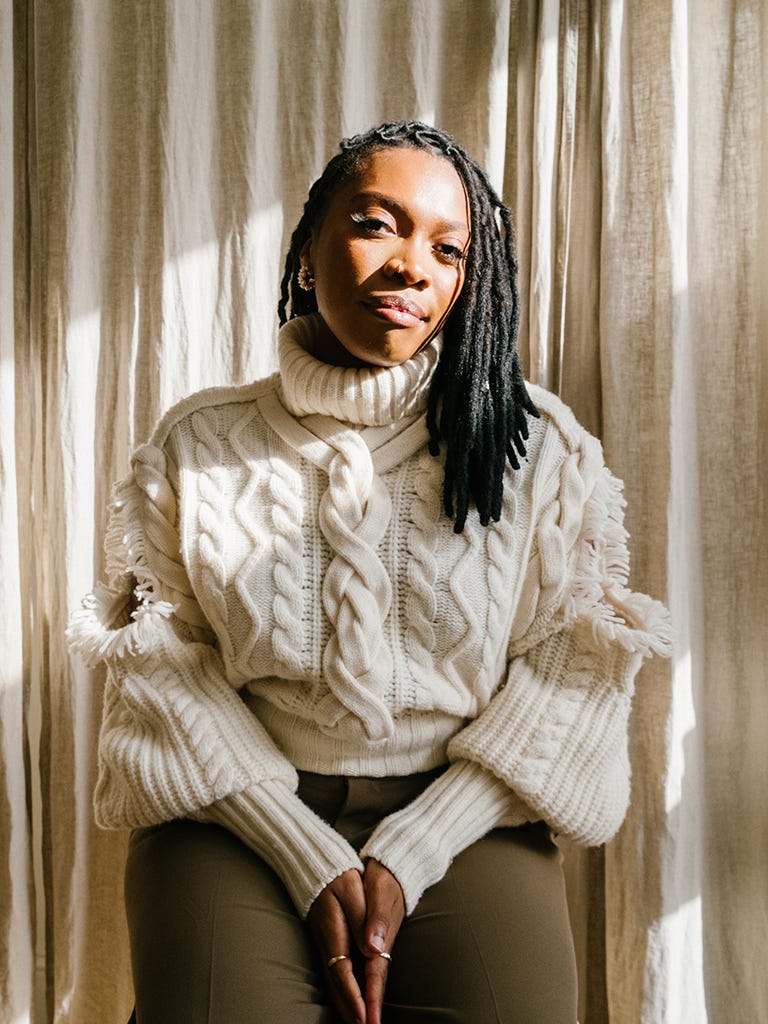
Tallawah Agency Founder Janay Marie
TALLAWAH grew out of a frustration Janay had witnessed across music, events and technology. Having worked in major creative environments, she saw attention towards Global Majority communities rise around significant public moments before gradually fading. Following the murder of George Floyd and the renewed visibility of the Black Lives Matter movement, organisations made promises of greater investment and representation. For Janay, the question was what would remain when that urgency passed.
She decided to build an agency that could approach cultural work with more intention. The name TALLAWAH comes from Jamaican Patois and is often understood to mean small but mighty. It reflects a connection to heritage and a belief that a focused team can have an impact beyond its size.
For Janay, meaningful representation starts with understanding the culture behind the work, respecting its complexity and involving people with relevant knowledge in the creative process.
Representation beyond a date
*
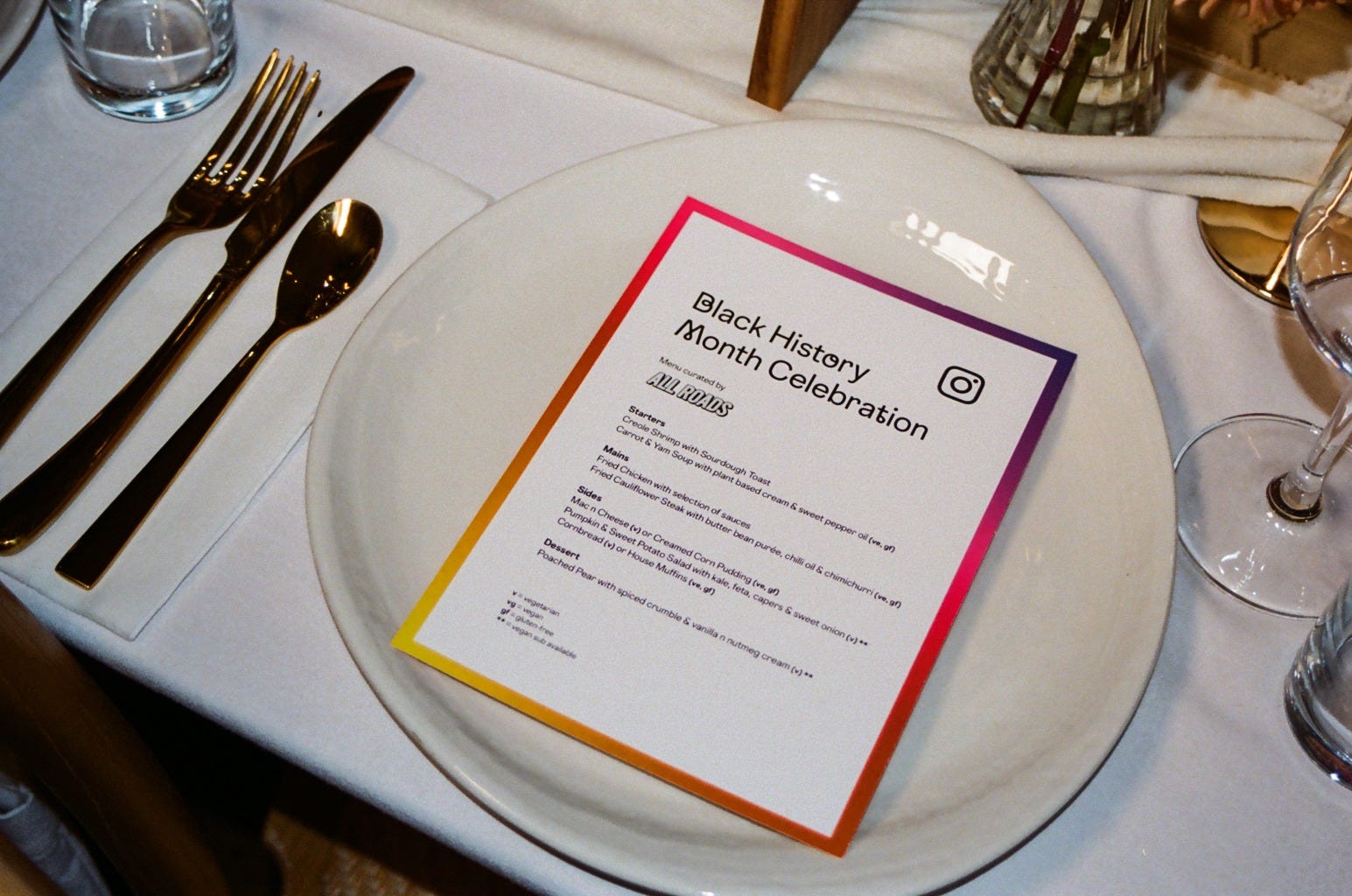
Janay has noticed how often Black and diasporic communities become more visible around particular moments in the calendar, especially Black History Month and Carnival. While these occasions create opportunities for recognition, they can also narrow the stories people are invited to tell. Black history can become defined through suffering, leaving less room for contemporary life, creativity, joy and everyday experiences.
Difficult histories should not be overlooked, but no community can be understood through one part of its past. Culture is also expressed through music, design, language, food, humour, style and the ways people imagine their futures. When brands repeatedly use familiar images, they risk reducing a living culture to a campaign theme.
For TALLAWAH, representation starts long before the finished image. It means considering who is invited into the room, what research informs the brief and whether the resources are available to deliver the project properly. Designers, set builders, producers and other creatives behind the scenes are just as important to the final outcome as the talent in front of the camera.
Janay works to create opportunities for emerging and underrepresented creatives, including queer talent, using open calls where possible to widen participation. The aim is to make representation part of how work is produced, rather than a visual layer added at the end.
|“How do we navigate our trauma into joy?”
Care is a method, not a slogan
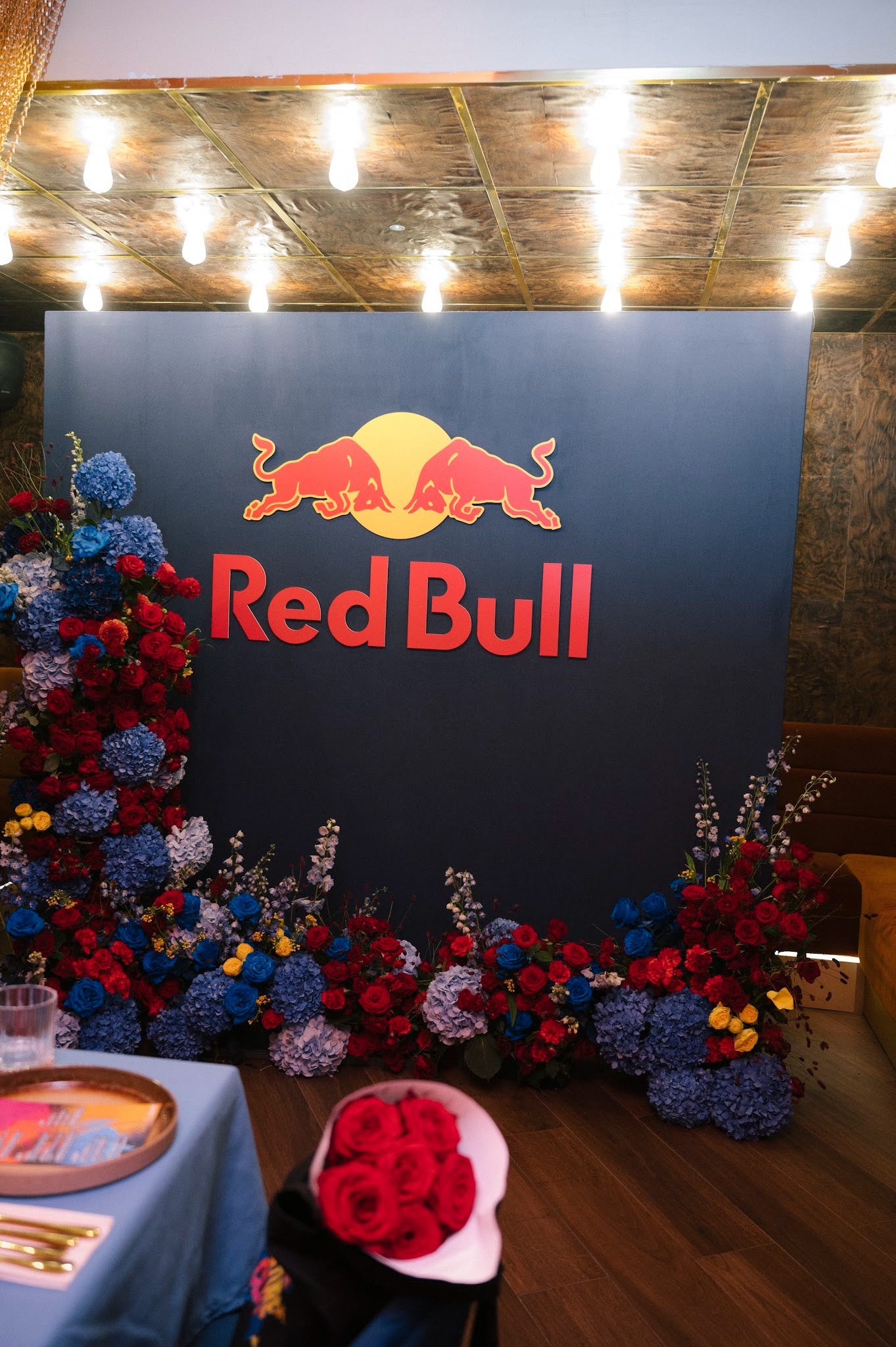
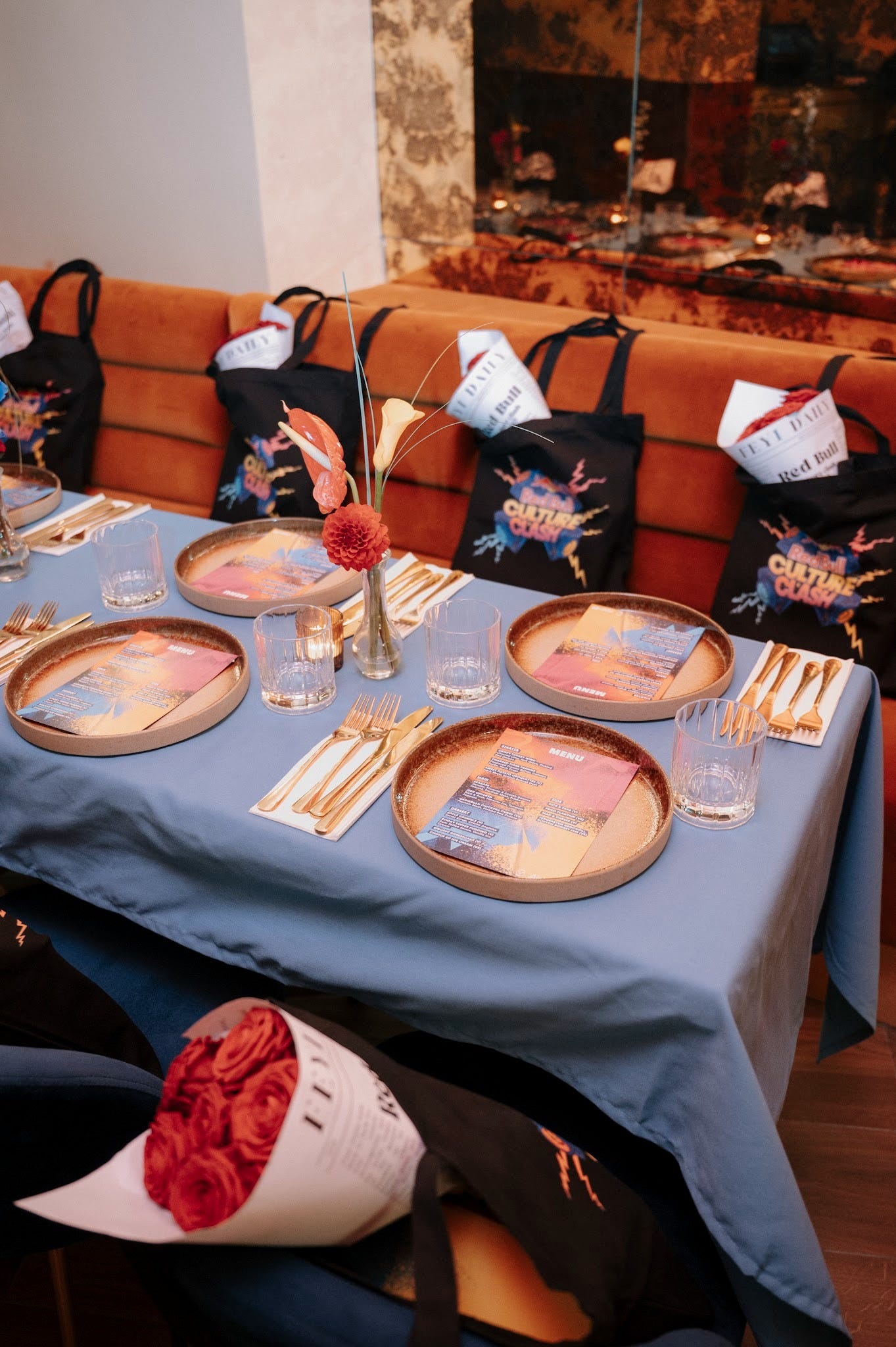
Taking this approach requires time and attention. When projects involve older people or community histories, the agency must consider how participants are approached, what helps them feel comfortable and how their experiences are represented. A campaign can look polished while still failing to reflect the reality of the people it claims to represent.
The same care extends to choosing clients. Janay considers potential partners’ track records and uses early conversations to understand whether they are willing to learn about the communities they want to reach. No organisation can know everything about every culture, but there is a difference between acknowledging a gap in knowledge and refusing to listen.
Janay has also chosen not to pursue opportunities when a potential collaborator’s conduct or public remarks conflicted with TALLAWAH’s values, particularly around queer communities. For a growing business, turning down work can be financially difficult. Yet accepting every brief would undermine the agency’s commitments.
| “Anyone can just wake up one day and do a campaign, but if there’s no care, you’re going to feel it.”
For TALLAWAH, cultural integrity also has a practical side. Projects need realistic budgets, and clients must understand the time, skill and care required to do the work well. Janay has learned the importance of setting rates, using contracts, establishing boundaries and keeping the accounts in order. These responsibilities may happen away from the creative spotlight, but they determine what an agency can deliver and whether it can continue operating.
Purpose alone cannot sustain a business. The agency needs the resources to pay people fairly, make considered decisions and create the conditions for good work. Protecting the process is part of protecting the people involved in it.
Building a business that can keep it’s promise
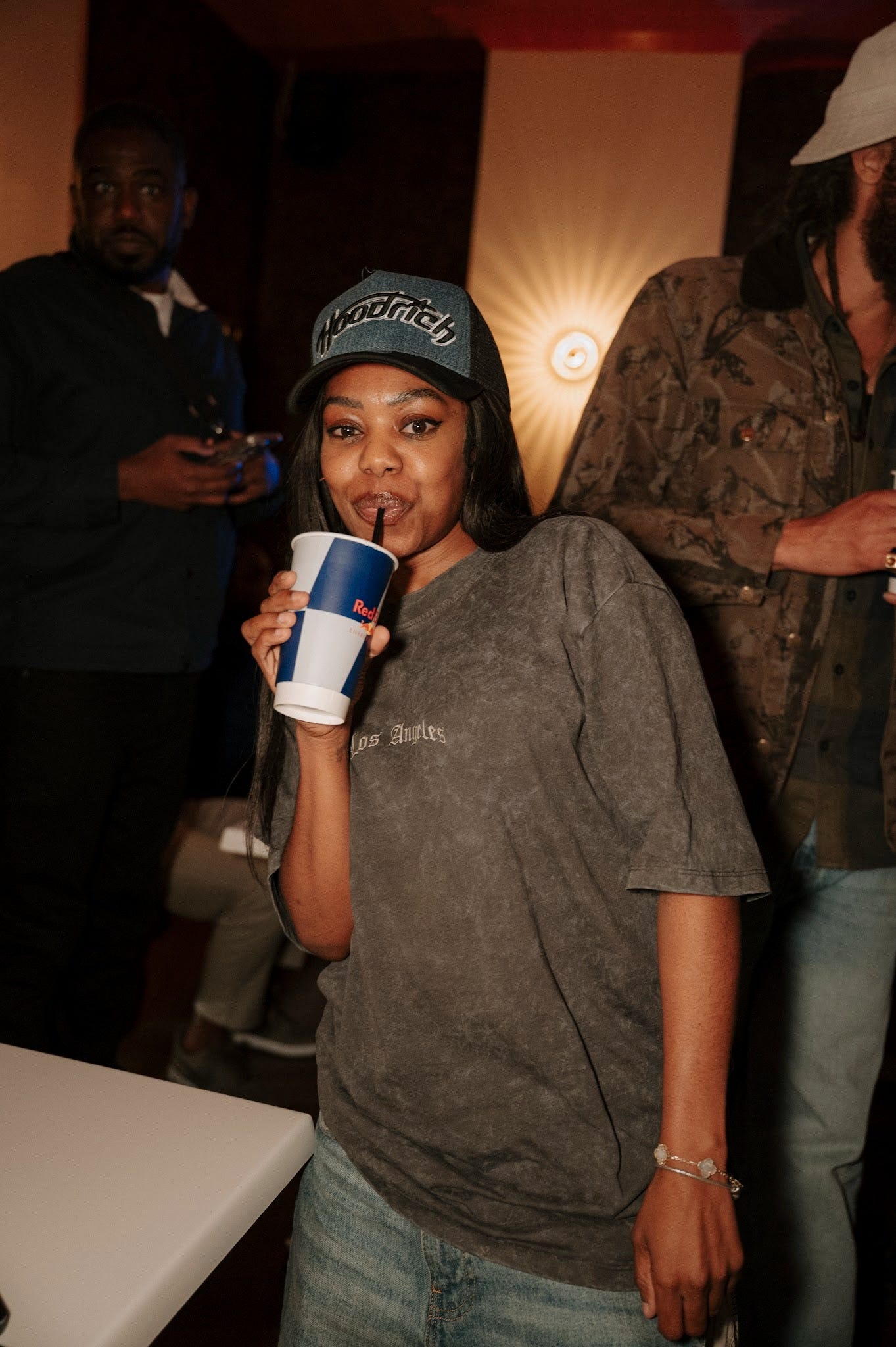
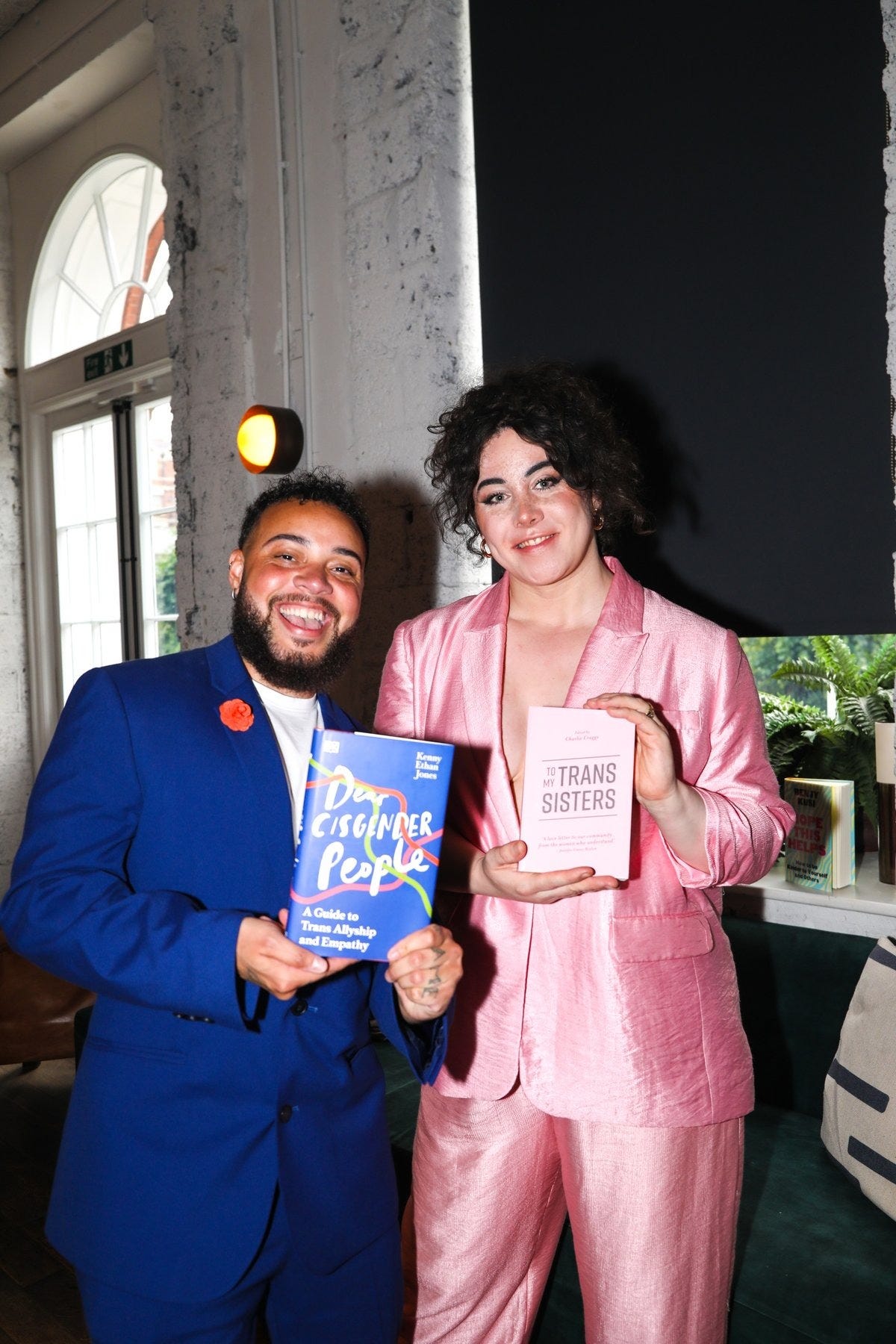
Janay’s ambitions are personal as well as professional. She wants to build a legacy that honours her parents and ancestors while establishing TALLAWAH in the UK and beyond. That legacy is not only about the agency’s name, but also the people who gain opportunities through its projects, the relationships it develops and the standards it helps establish.
A campaign can make a community visible for a moment. The harder work is creating a process that treats people fairly, gives emerging talent a route into the industry and holds clients accountable to the values they communicate. That requires research, realistic budgets and the confidence to protect the work from compromises that weaken its purpose.
“It’s important to just have a lasting legacy. It’s not just my legacy, it’s my parents’ legacy, my ancestors’ legacy.”
Janay’s story is a reminder that representation is not a single image or seasonal promise. It is a series of decisions made repeatedly, often away from public view. Who is hired? Who is listened to? Are the resources there to do the work properly? Is the client prepared to build a relationship beyond the launch?
Through TALLAWAH, Janay is working towards a model of cultural work in which those questions are considered from the beginning. The goal is not simply to give communities a place in the story, but to help them shape how it is told. Meaningful representation is measured not only by who gets seen, but by who gets heard, who gets paid and what remains after the campaign ends.

If you are interested in becoming a GUAP contributor and telling stories that matter to the culture we want to hear from you. We commission emerging writers, journalists and video creators every month to cover the people, communities and moments our audience needs to discover. Your subject. Your voice. No brief.
For more information/submit a story - click here.

Consider becoming a paid subscriber and gain access to:
The full GUAP Daily: five deep-dive articles/video essays written by and for the culture, a week straight to your inbox, Monday to Friday.
The Sunday opportunities newsletter - jobs, freelance roles, commissions, casting calls and industry openings every week
Monthly online events - masterclasses, workshops, live interviews and community gatherings ran by OURPPLS.
Discounts/Perks from our community partners including Tunecore,
For only £6 a month (price of a coffee) you get access to the opportunities, the knowledge and the community that keeps you close to the culture. Whether you are building something or you just care about what is happening - this is where you want to be. And every membership puts money directly into the hands of the writers and creators telling the stories that actually matter.