



It has come to my attention that for a while now, I’ve been listening to gospel music whenever I need a drastic shift in previous sounds I’ve listened to or the nurturing sense to hear strong, stacked vocals and high vibrational harmonies and as much as I can go back and write about the fundamentals of gospel music, that being the influence it had in America, the rise of uk gospel music hasn’t necessarily been studied or that much opened in my opinion. And I say this because effort is made, creativity is proven and even without the clear messages from the Word of God, I do believe gospel music can still be a source of inspiration and wisdom. As a non-religious person, growing up in a Muslim household and being surrounded by Christianity, there were some twists and turns throughout my discovery in music and ever since I detached from the concept of religion, I felt free enough to explore it on my own terms. The idea of “only Christian’s can listen to gospel music” made me fear a resonance of a song that powered the love of God through their tongue but as of now, it feels safe, nurturing and healing. Some songs can take you away from the suffering but also demand you to confront your demons. Whether it resonates with you or not, I find that gospel music can be interpreted in any season in your life whether you’re religious or not and it’s a fundamental product in receiving love.
We’ve all seen the melodramatic church scenes in our favourite American tv shows/movies with the priest congregating, beautiful, outspoken singers forming a choir. You’ve got the First Lady shining the torch down while the rest, supporting her vocals, ever so gently but soaring the crowd as she yearns her way to the top! And that representation stuck with me for a while. I could be biased and say that back then gospel music felt too loud [which was lol] but their reasonings to this were purely from the touch of God and their true representation in his words. The exaggerated screams and ‘PRAISE GOD’ HALLELUJAH’ all felt like method acting and a tiny bit of ‘pick me syndrome’ but all of this was from a mind that wasn’t accepting the essence of gospel music. With my sole tie to r&b, we all know that rhythm and blues are the reason why we have singers like Brandy, Whitney Houston, Jennifer Hudson that took us all the way back to the church settings, flourishing the traditional shivers of vocals that deepens a vision that till now, pours in every R&B song you’ve heard-and that’s on period.
But my concerns lie within the gospel music scene in the uk. And all of this ties in to the sounds of Afrobeats-being known as the consumer of the genre I never realised most of my frequently listened songs, implement sombre, melodic tunes that allow us to rekindle a time that was nostalgic yet emotional but a distinctive sound that makes us blink twice, forming a sense of community and the positive impact towards west African culture appreciation. It wasn’t around the late 1960’s that gospel music became a staple in the uk especially it being tied to the windrush generation from the Caribbeans. Choirs became the ultimate cultural shift in churches, demanding a sound not too unknown to the ears but shifting us to a new presence of worship and praise. As time went on, Gospel music became the outspoken frequency of love, slowly pouring into mainstream music and into genres such as R&B, pop and jazz that still to this day has a lot of influential elements to it. With well known public figures/singers who have gravitated to the importance of gospel music mainly holding down choirs and allowing them to share the stage at concerts, festivals or even award shows. The richness of gospel music grew wider and wider, and entering the 2010’s and 2020’s, it placed a vision that some of us thought would be the righteous outcome of gospel but from my own intake, especially now, I haven’t seen the push on media for this genre.
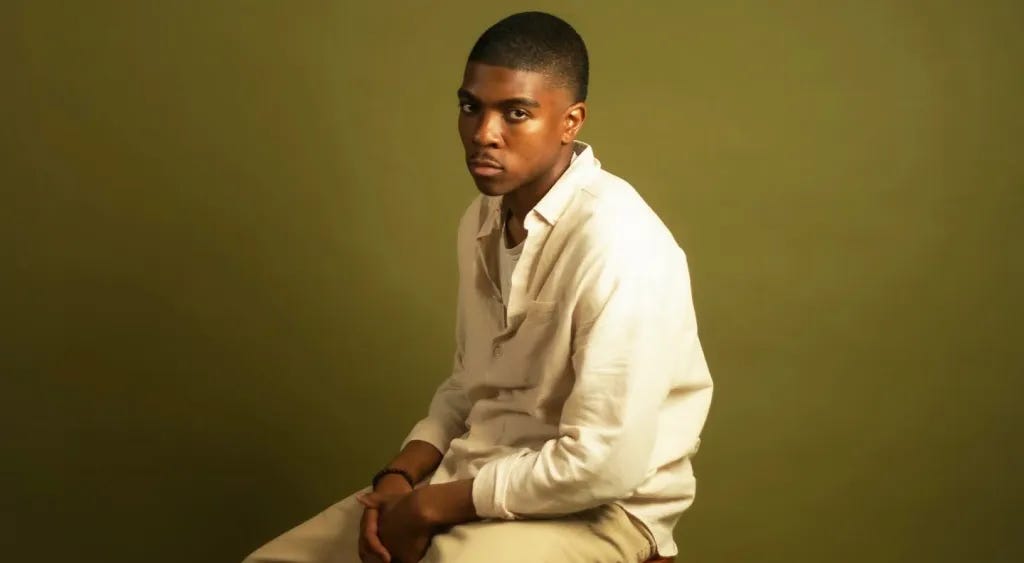
Artists like Paulade, Laura Ehio, Chantelle Rutendo and even Stormzy’s exceptional, grand performance on ‘Blinded by your grace’. There’s more and more artists shaping the sounds of gospel/christian music, especially honing a deeper meaning towards their projects they put out In a contemporary manner, shifting the narrative of following traditional melodies and alternating towards mainstream genres, still replenishing the word of God and their raw testimony. And what I find so fascinating about gospel/christian music which I previously mentioned before is how influential the genre is becoming. As of now, the music feels more connected to the R&B realm, purging out vocals that imitate the likes of brandy, Whitney Houston, Jill Scott and many more. There’s more of a connection that feels relatable but also tying towards a generation that can feel seen and also heard. Within my growth towards this defining genre, it’s made me grab the interest of the upcoming christian singer [Paulade]. Known for his soothing, airy vocals that dim the impressions of Brandy. Paulade has gained popularity through his diverse ways of interconnecting his faith and also struggles that turn into hope. His newest EP ‘On the Go’ consisting of 6 songs, focuses on the artist’s journey with his faith and the trials and tribulations, encountering pain and tears. And this ties in with today’s question on can gospel music be consumed by non religious people?
On the rise of christian music, I believe it is fair to say that it is okay for non religious people to tune into a world that they/used to believe in. How many people consume music may alter differently to how others do. And from my own intake, this genre has built a sense of normality and guidance in my foundation of searching for the truth. As much as some elements may not resonate with me, it’s mainly up to the listener on how they can incorporate lyrics into their own mindset. In today’s age, christian music sparks debates and sometimes leads into a controversial intake but for most, it’s a genre that has produced the rise of some of our favourite sounds and singers. Without the church there wouldn’t have been any gospel music or choirs holding down the ultimate shift into mainstream music. And with the UK still trying to cope with the R&B genre, I hope that gospel/christian music can gain that success and reach a level that can feel merely as important as other genres.
My initial standpoint lies within the importance of exploring different genres and finding ways to escape but also educating a mind that may feel indecisive to try something that doesn’t align with their initial beliefs. As much as christian music hasn’t been the main impact in my life, it has allowed me to find ways to connect to music that speaks clarity and also yearn over production that resembles genres such as R&B/soul and jazz, allowing myself to rekindle the importance of these sounds but also not being afraid to ponder around the greatness of black music.

If you are interested in becoming a GUAP contributor and telling stories that matter to the culture we want to hear from you. We commission emerging writers, journalists and video creators every month to cover the people, communities and moments our audience needs to discover. Your subject. Your voice. No brief.
For more information/submit a story - click here.

Consider becoming a paid subscriber and gain access to:
The full GUAP Daily: five deep-dive articles/video essays written by and for the culture, a week straight to your inbox, Monday to Friday.
The Sunday opportunities newsletter - jobs, freelance roles, commissions, casting calls and industry openings every week
Monthly online events - masterclasses, workshops, live interviews and community gatherings ran by OURPPLS.
Discounts/Perks from our community partners including Tunecore,
For only £6 a month (price of a coffee) you get access to the opportunities, the knowledge and the community that keeps you close to the culture. Whether you are building something or you just care about what is happening - this is where you want to be. And every membership puts money directly into the hands of the writers and creators telling the stories that actually matter.
Simply put yes, Mary Mary's breakout song 'shackles' is an example of this. It stormed the charts and people from all walks of life were dancing to it.