



WHO’S BUILDING THE FUTURE FUNCTION?
PART TWO | NOURISHMENT
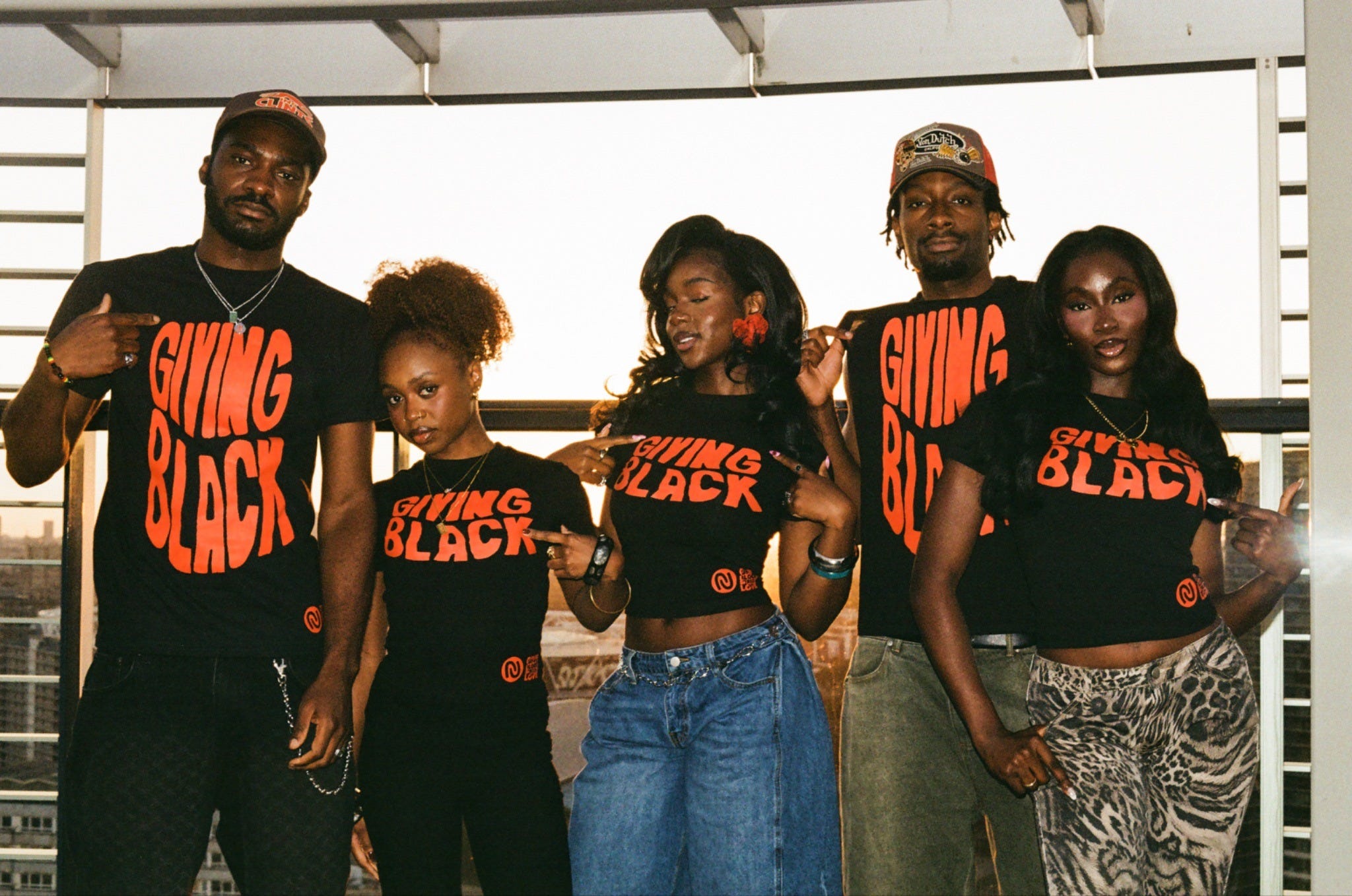
For Nourishment, culture is about more than access. It is about who feels represented, whose experiences shape the conversation and who gets the opportunity to take part. Through its work connecting underrepresented audiences with arts and culture, the community and cultural marketing agency is building relationships between people and institutions that have not always understood one another. For founder Tito Mogagji, the ambition is to make those relationships more meaningful, while creating opportunities for communities and creatives to help shape the cultural landscape.
Nourishment began with a simple desire: to create space for conversations about Black culture that felt open, progressive and connected to everyday life. What followed was a community built around shared experiences, cultural discovery and the belief that people should feel able to participate in the spaces around them.
A community begins with a gap
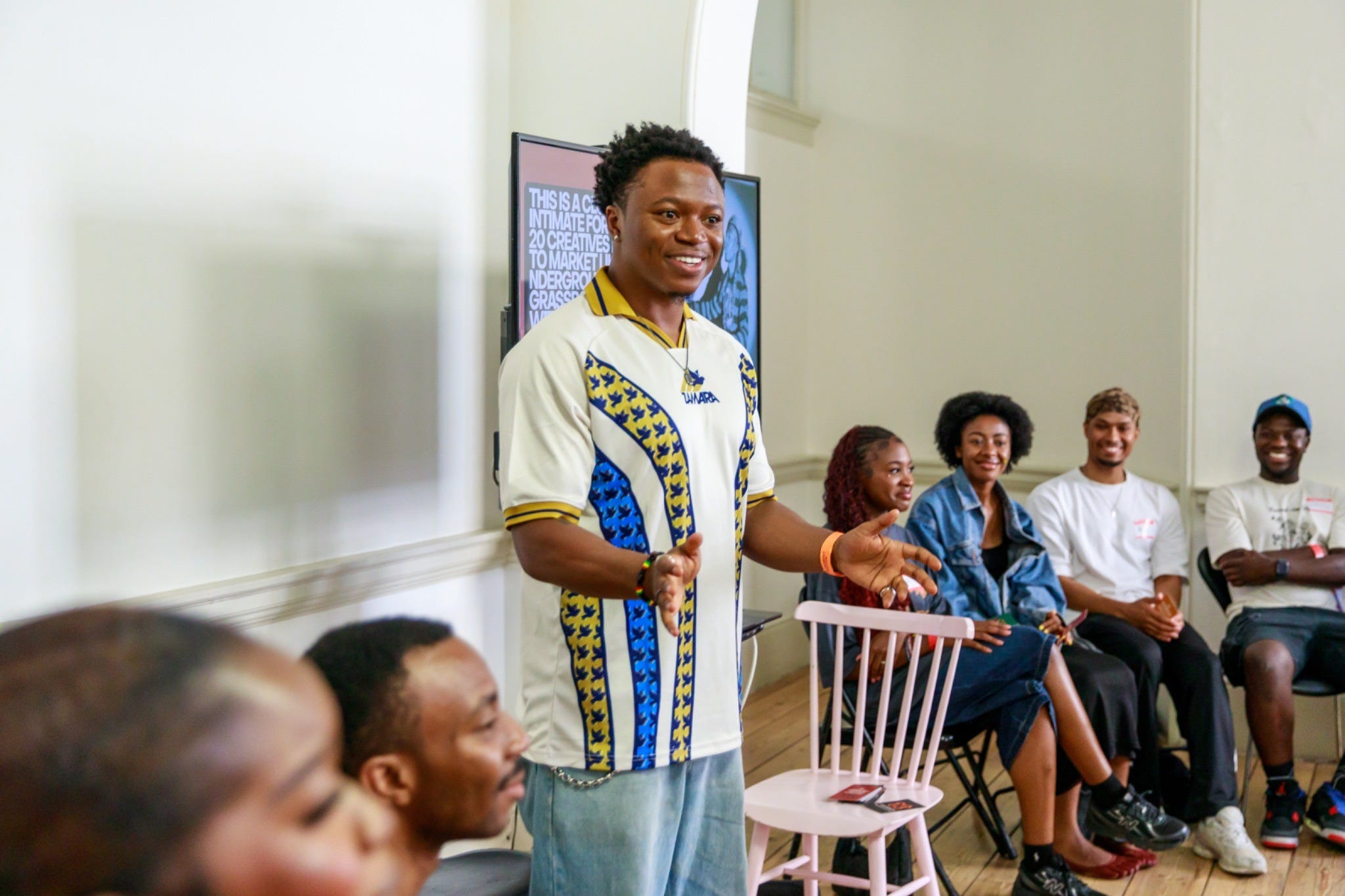
During the pandemic, Tito and his friends wanted more room for conversations about Black culture, from film and music to art, identity and aspiration. They felt that some existing spaces did not offer the kind of inclusive environment they were looking for. They wanted to explore culture on their own terms, without being restricted to narrow expectations of what those conversations should look like.
The early community gathered online through platforms including Twitter and Clubhouse. Over time, those conversations moved into in person meetups and visits to cultural spaces around London. For young people who did not always feel that arts institutions were speaking to them, these experiences offered a way to discover what the city had to offer alongside people with shared interests.
What began as a community gradually developed into a business. Nourishment now connects underrepresented audiences with arts and culture across the UK through cultural visits, events, workshops, content production and consultancy. Its work places particular emphasis on young people, working class communities and Global Majority audiences.
The journey from informal conversations to a cultural marketing agency is central to Nourishment’s identity. Tito did not begin with a marketing brief or a business plan designed around an institutional need. He started by creating the experiences he wanted his own community to have. As that work developed, he recognised that the relationships and understanding built through it could also help cultural organisations connect with audiences they had struggled to reach.
“We love Black culture, but we wanted a space for more alternative, inclusive conversations about Black culture.”
From getting access to changing the relationship
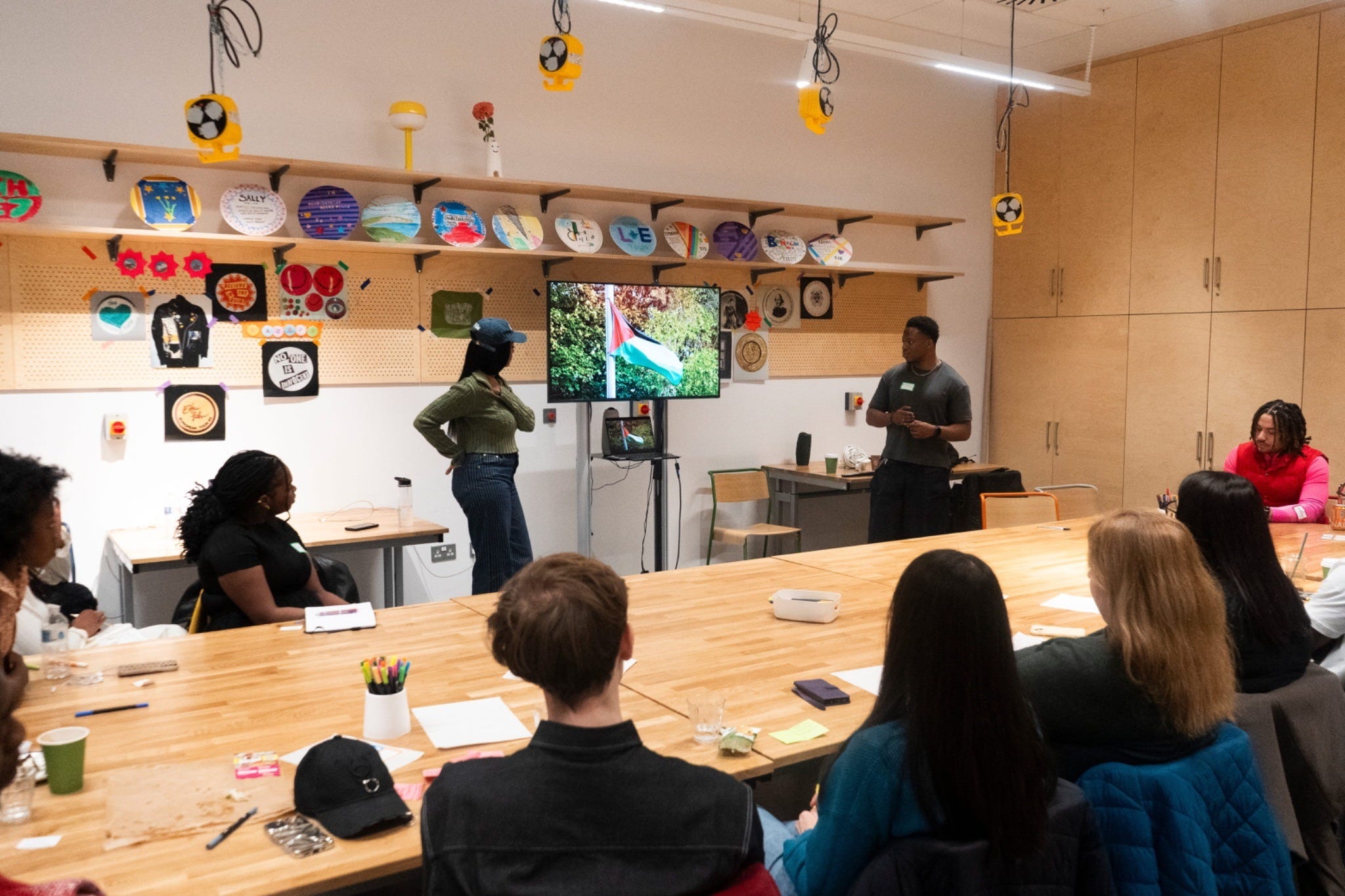
In the early stages, partnerships helped Nourishment organise visits and open doors to cultural spaces. But as the community grew, Tito began to see the relationship between institutions and audiences differently. Nourishment was not simply asking for access. It was bringing knowledge, relationships and an understanding of what could make cultural experiences feel relevant.
His later experience in corporate consulting helped him recognise the value of that knowledge. While organisations invested in audience development and marketing, Nourishment had been building trust through direct engagement with its community. The challenge was to turn that work into a sustainable business without losing the community led approach that gave it purpose.
For Tito, meaningful engagement cannot be reduced to a single event or campaign. An organisation might attract attention by working with a community, but visibility alone does not create trust. When people are approached only because a brand wants content, sales or cultural relevance, the relationship risks becoming one sided. Nourishment instead aims to build partnerships that allow communities to participate, learn, develop skills and influence the work being created.
“They weren’t doing me a favour. I was doing a huge favour, and something worth actual investment.”
Early partners played an important role in that development. They were willing to work with Nourishment while the organisation was still finding its structure, identity and processes. Their support allowed the business to learn and grow, demonstrating that a meaningful partnership does not require a smaller organisation to have everything figured out from the beginning. It requires openness, honest communication and a willingness to recognise potential.
The personal experience of translation
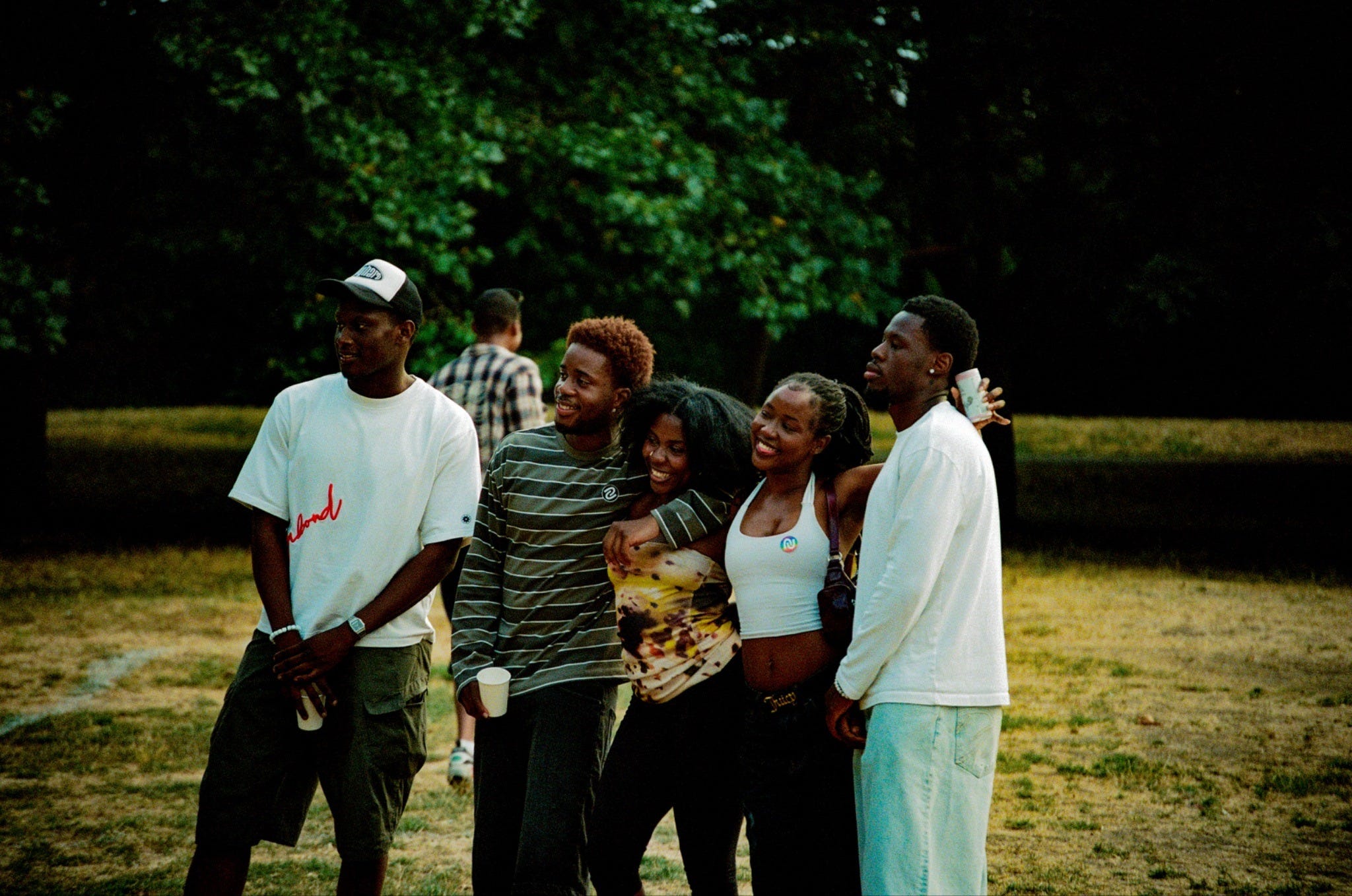
Tito’s own experiences have shaped the way he approaches this work. Growing up in Brixton, he was surrounded by a rich cultural environment that also existed alongside class divisions, deprivation and change. Later, studying in a very different university environment and spending time in San Francisco exposed him to other ways of living and thinking. Moving between these different contexts sometimes left him feeling like an observer, navigating different expectations and trying to understand how people saw the world.
That experience offers a way to understand Nourishment’s role. The agency works between communities and institutions, helping each understand the other without pretending their differences do not exist. It can bring the lived experiences and priorities of an audience into conversations that shape cultural programming, campaigns and projects. It can also help young creatives access opportunities to contribute their skills and have their work seen by people who might otherwise overlook them.
| “My culture is one of translation”
Representation, in this sense, is not simply about who appears in a campaign or enters a venue. It is also about who helps make decisions, who receives credit and who gets paid for their contribution. Tito does not want a Black led or purpose driven business to be treated as a charity, or for its founder to be expected to sacrifice profit to prove the mission is genuine. The work has to be commercially sustainable if it is going to continue creating opportunities.
Making the work last
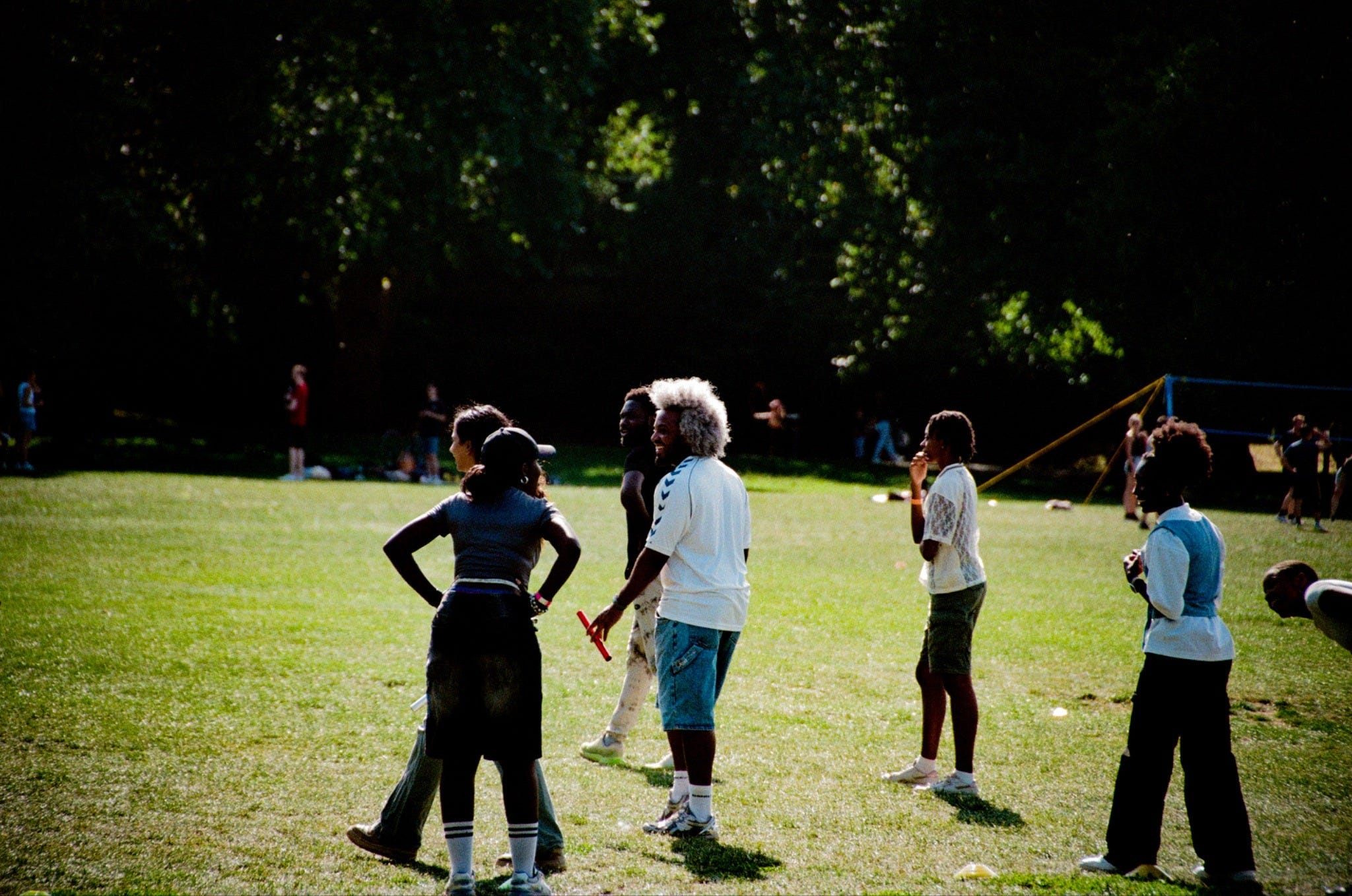
Building that sustainability brings practical challenges. Funding can be inconsistent, projects do not always provide reliable income and growing a team introduces new responsibilities. Tito has had to learn that leadership involves more than believing in an idea. It means setting direction, making decisions, establishing boundaries and giving other people the clarity they need to do their jobs. A strong mission matters, but it cannot replace a business model that works.
Supporting emerging talent is another important part of Nourishment’s longer term vision. When young people struggle to access paid work, guidance and opportunities to develop their skills, the consequences extend beyond individual careers. The wider cultural sector risks losing future writers, producers, directors and founders whose perspectives could help shape what comes next. Nourishment wants to strengthen the connection between young talent and cultural institutions while building a business capable of sustaining that work.
| “When I work with young talent and see them grow in confidence, get their work into big institutions and have it recognised, that makes me happy.”
For Tito, the ambition is not simply to bring more people into existing cultural spaces. It is to help change the relationships that determine who feels welcome, who gets heard and who has the opportunity to contribute.
A bridge is useful only if people can cross it in both directions. Nourishment is building one that allows institutions to understand the audiences they have missed, while giving those audiences and the creatives within them a greater role in shaping culture. The work is about access, but also about influence, fairer opportunities and lasting relationships. By turning community knowledge into a meaningful part of the cultural conversation, Tito is working towards a future in which connection is not an afterthought, but part of how culture is built.
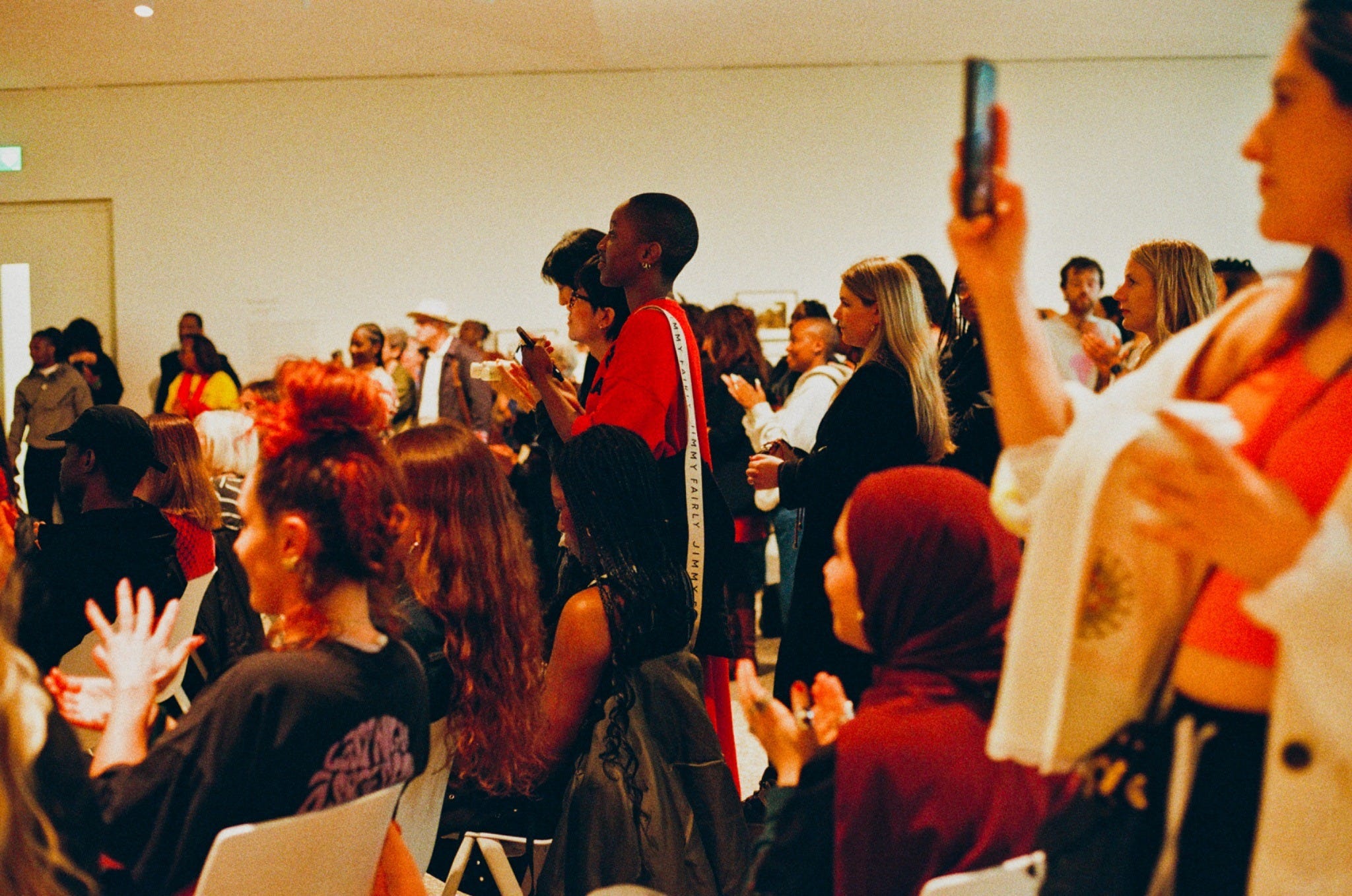

If you are interested in becoming a GUAP contributor and telling stories that matter to the culture we want to hear from you. We commission emerging writers, journalists and video creators every month to cover the people, communities and moments our audience needs to discover. Your subject. Your voice. No brief.
For more information/submit a story - click here.

Consider becoming a paid subscriber and gain access to:
The full GUAP Daily: five deep-dive articles/video essays written by and for the culture, a week straight to your inbox, Monday to Friday.
The Sunday opportunities newsletter - jobs, freelance roles, commissions, casting calls and industry openings every week
Monthly online events - masterclasses, workshops, live interviews and community gatherings ran by OURPPLS.
Discounts/Perks from our community partners including Tunecore,
For only £6 a month (price of a coffee) you get access to the opportunities, the knowledge and the community that keeps you close to the culture. Whether you are building something or you just care about what is happening - this is where you want to be. And every membership puts money directly into the hands of the writers and creators telling the stories that actually matter.