




I listened to Jhené Aiko’s album ‘Westside Whimsy’ a week after its release. I think back to when she first announced she had an album on the way - I was excited, she hadn’t released anything in 6 years, I’ve always regarded her as one of my favourite voices in not just R&B, but in music. Her buttery tone, spiritual aura and life-affirming lyrics were always such a breath of fresh air to me. After what felt like the busiest week of my life, I didn’t listen straight away when the album dropped on Friday. I wanted to take it in properly, so I postponed my listening session until things felt calmer. However, whilst I wasn’t listening yet, I was observing the discourse online, most of which appeared on my feed as expected. I engaged reluctantly, not wanting reviews and thoughts to ‘spoil’ my first listening experience, but I would’ve had to put my phone down entirely for a week to avoid that, which wasn’t happening.
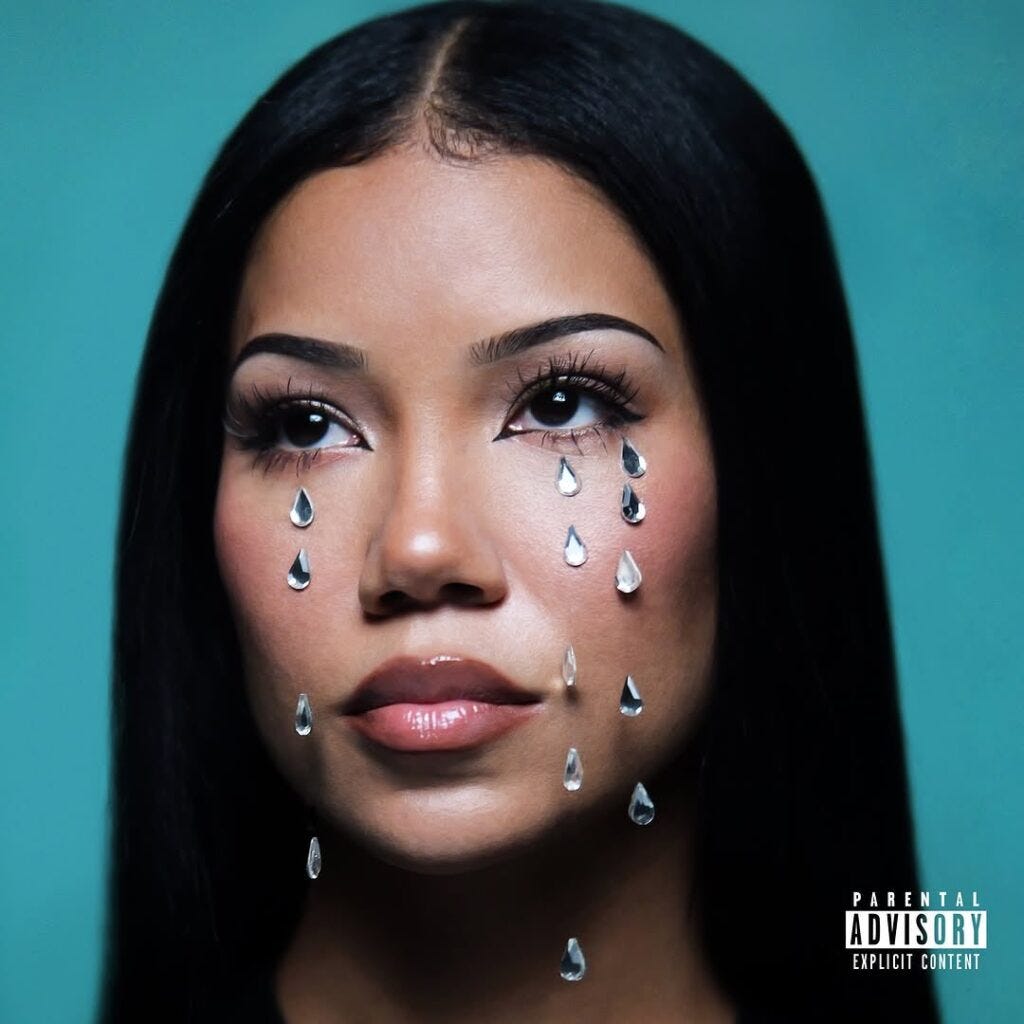
From the content I witnessed, I saw a pattern, the girls were TIRED of Jhené’s lyrical content, if you will. Let’s just say, if you happened to drop out of an alternate universe, and had no clue of what was going on and came across the commentary, you wouldn’t think it was just about music; you would think someone came online to trauma dump about a philanderous and toxic man they used to be with called Big Sean.
I saw fans of hers expressing how they ‘don’t have time today’ and people talking about how ‘we’ve been through enough this year already’ - it was A LOT. I will be honest, the discourse nearly influenced me to not listen to the album a little bit longer. Yes, I expected Jhené to sing about heartbreak and getting her lick back, this isn’t new territory for her but what was different this time was the audience’s fatigue. I was used to hearing how ‘healing’ Jhené’s music was and when she did do a song about heartbreak, the sentiment around it was almost always positive, she made people feel seen, her vulnerability was celebrated. I remember when ‘Triggered’ was released in 2019, her pain was felt, acknowledged and justified by the masses.
Don’t get me wrong, the response to the album has been great overall - this was just a small pattern I noticed amongst a sea of widely positive responses. The pattern also made me think about SZA’s most recent releases and how there were similar sentiments around those projects. I remember coming across TikTok videos of creators labelling SZA’s music as ‘low-vibrational’ as a result of her typical unfiltered rawness and vulnerability when it comes to singing about the trials of her romantic relationships. There were also some people who announced that they stopped listening to SZA as a form of ‘growth’ amidst a time when women particularly, were showcasing what it meant to be healed in today’s world through content about embracing a softer life, having boundaries and decentering men.
There’s definitely been a shift. Before these mentioned female artists made their mark as respected R&B songstresses of today, women had been inundated with heartbreak in music for as long as I can remember. The late 90’s through to the early 2000’s captured the torture of heartbreak like no other period. Currently having flashbacks of an 8 year old me screaming the lyrics to Mariah Carey’s ‘We Belong Together’. If you strip away the small fact that the lyrical content was softer, less targeted and less raw - it wasn’t all that different to the heartbreak music we listen to today.
Moreover, there’s more empowerment in female music than there ever was before. Though we hear it a lot in female rap mainly, it also exists in the realms of pop, soul and R&B. Though empowerment is a predominant theme, there’s also the themes of raw pain and vengeful lyrics that exist alongside this, that’s where I think fans are getting stuck.
Yes heartbreak and pain is universal but in a time like this where culture and mindsets evolve so rapidly especially with social media, even universal themes can have an expiry date….
So how do you have an identity around a particular genre that has a significant theme and express yourself, whilst your fanbase desires more from you than this? I think there’s a deeper reason as to why there’s so much fatigue around the theme. Relating back to the empowerment point, today - women are more independent, have more control in their career, finances and lifestyle. Basically, they don’t need a man.
According to a 2019 Morgan Stanley forecast, between the years 2018 and 2030, the number of unmarried women is projected to increase by 1.2 percent annually, compared with just 0.8 percent for the overall U.S. population (2019 Morgan Stanley forecast in Women’s Health 2025). In that same study it is reported that 45% of women ages 25 to 44 will be single by 2030. More often than not, music acts as a mirror to our current reality. If done right, it speaks to our current reality and culture, it’s relatable and thought provoking. It might explain why female audiences are developing fatigue towards the same topic. Albeit, a topic that they don’t want to reflect their current reality.
That being said, music has always been one of the greatest forms of self-expression. So, when did we all become so numb? It’s also interesting to note the different types of reactions to the theme from other fanbases. No one complains when Adele puts out a generational album with the theme of heartbreak threaded through its entirety. Also, with this new desire for more yearning back in music, particularly R&B music, why don’t we make the same room for raw heartbreak and vulnerability? I mean, the two go hand in hand. I’m all for experiencing music centered around growth, alignment or being hot and thriving without a man but can’t all these themes and angles can coexist? and after listening to Jhené’s album, I think she understands that they can. She still has songs where she proclaims self-acceptance for herself, where she acknowledges her role in loving herself right - and that’s balance.

If you are interested in becoming a GUAP contributor and telling stories that matter to the culture we want to hear from you. We commission emerging writers, journalists and video creators every month to cover the people, communities and moments our audience needs to discover. Your subject. Your voice. No brief.
For more information/submit a story - click here.

Consider becoming a paid subscriber and gain access to:
The full GUAP Daily: five deep-dive articles/video essays written by and for the culture, a week straight to your inbox, Monday to Friday.
The Sunday opportunities newsletter - jobs, freelance roles, commissions, casting calls and industry openings every week
Monthly online events - masterclasses, workshops, live interviews and community gatherings ran by OURPPLS.
Discounts/Perks from our community partners including Tunecore,
For only £6 a month (price of a coffee) you get access to the opportunities, the knowledge and the community that keeps you close to the culture. Whether you are building something or you just care about what is happening - this is where you want to be. And every membership puts money directly into the hands of the writers and creators telling the stories that actually matter.