



The Danny Bones movement
Far Right sentiment has been attempting to infiltrate Black music both in the United States and here in the UK, with voices appropriating the music, sound and culture to appeal to those who resonate with their far right ideologies. We’ve slowly seen artists show who they are politically and then had to deal with them accordingly. The far right political ideology is deeply entrenched in anti-Blackness and has no place within Black music culture.
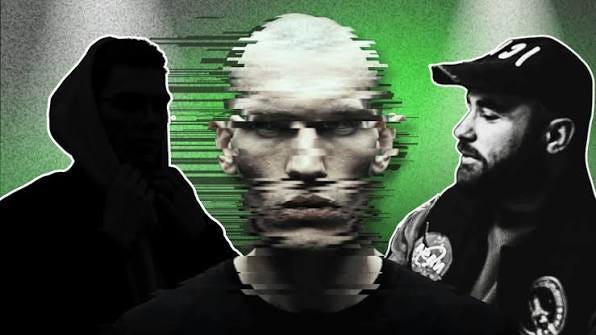
Now, through the use of AI, artists can opt for a digital persona to create perceived distance between themselves, their ideologies, and plausible deniability. The Danny Bones character is something I’ve heard bubbling about, but was shocked to see it was two Manchester creatives behind it. Both the digital artist and DOP who produces the digital persona, and the writer and producer who provides the voice, are people who have been in and around the scene for a while, collaborating with artists of multiple heritages, identities and nationalities.
This raises the question: how can you pivot from working with and embracing the diversity of the city to then condemning it, presumably for profit?
A long history of confused appreciation
This is nothing new. There is a long history of confused appreciation of Black music by White Britain, with people in the 70s and 80s who would listen to reggae or punk with messages of liberation, freedom and equity, but still hold problematic views. This cognitive dissonance is part of the armour of institutional whiteness within Britain, enabling White creatives who hold racist and/or xenophobic views to camouflage themselves within the culture; to absorb all of its creativity, brilliance and greatness to build portfolios under the guise of “platforming local talents”, only to pivot when the opportunity comes and burn aspects of the very communities who helped them get to where they are.
Silence as complicity
Like many artists, I messaged my contemporaries I know who worked with these two. The levels of silence or apprehension at engaging with the piece also spoke volumes. What is the value of your association and participation within the culture if you are not prepared to pay the cost in defending it from those who seek to make profit from exploiting its people? The last six years have taught us that to be silent in the face of injustice is to be complicit in upholding it, and so I think there is a wider piece around reflection required.
Manchester, cotton, and cultural leadership
To be honest, it wasn’t shocking to me generally. Manchester as a whole needs an honest discourse about race. Its past and links to the transatlantic slave trade are hidden behind the rebranding of its links to cotton, with “Cottonopolis” or “Cotton Place” etc. popping up. Its cultural leadership is largely culturally monolithic and views its music culture through a binary lens which often doesn’t include any music of the diaspora. Again, these circumstances are the perfect breeding ground for this to occur.
AI personas and cowardice
Opting to hide behind an AI persona is deeply cowardly to me, given the origins of hip-hop and it being something that was used to speak change to power: people standing in front of crowds, spreading their beliefs, thoughts and viewpoints with the word. Perhaps opting to hide behind animations speaks to the level of conviction for the thoughts and ideologies that exist.
Again, this is why culture-checking those who come into our creative communities is important. These people always show semblances of who they are long before these issues arise. The question is: did we all turn blind eyes to aspects of this?
Privilege, multiculturalism, and who gets to speak
Another aspect to this discussion is the way in which privilege manifests within the idea of multiculturalism within the UK. A white artist can take Black music and use it to spread far right sentiment and ideology with fairly little news coverage or critique. However, if a Black artist is critical of the establishment, or if Black Britons critique a British institution or practice that feels outdated or inequitable, it is everywhere. The digital lynching of Prof. Jason Arday exemplified this in the loudest possible form.
What now?
We are seeing a shift in the emboldening of extremism within the UK, where those supporting can hide behind anonymous accounts, spread hate speech, and platforms do not do anything to mitigate the impact or remove them. This is why, as a culture, we must now start to question: who gets to participate? What are the values that they are adding? And when is it time for us to start to weed out problematic voices?
This will get worse with time if unacknowledged. But the question is: how many of us are really down to undertake the effort, and how many are simply worried about saving face for connections, partnerships and opportunities?
What I’m asking
Reflect on your collaborations and partnerships. Who are you working with, and what values do they hold when the cameras aren’t rolling?
Call out harmful projects and ideologies, even when it’s uncomfortable or costly.
Support Black led initiatives and spaces that centre diaspora music and culture in Manchester and beyond.
Have honest conversations in your circles about race, power, and who benefits from the culture we help build.
Silence is a choice. So is action.

If you are interested in becoming a GUAP contributor and telling stories that matter to the culture we want to hear from you. We commission emerging writers, journalists and video creators every month to cover the people, communities and moments our audience needs to discover. Your subject. Your voice. No brief.
For more information/submit a story - click here.

Consider becoming a paid subscriber and gain access to:
The full GUAP Daily: five deep-dive articles/video essays written by and for the culture, a week straight to your inbox, Monday to Friday.
The Sunday opportunities newsletter - jobs, freelance roles, commissions, casting calls and industry openings every week
Monthly online events - masterclasses, workshops, live interviews and community gatherings ran by OURPPLS.
Discounts/Perks from our community partners including Tunecore,
For only £6 a month (price of a coffee) you get access to the opportunities, the knowledge and the community that keeps you close to the culture. Whether you are building something or you just care about what is happening - this is where you want to be. And every membership puts money directly into the hands of the writers and creators telling the stories that actually matter.