



Every October, we celebrate Black History Month in Britain through events, campaigns, articles, businesses, media and more. But I realised something: I didn’t actually know how Black History Month came to Britain in the first place.
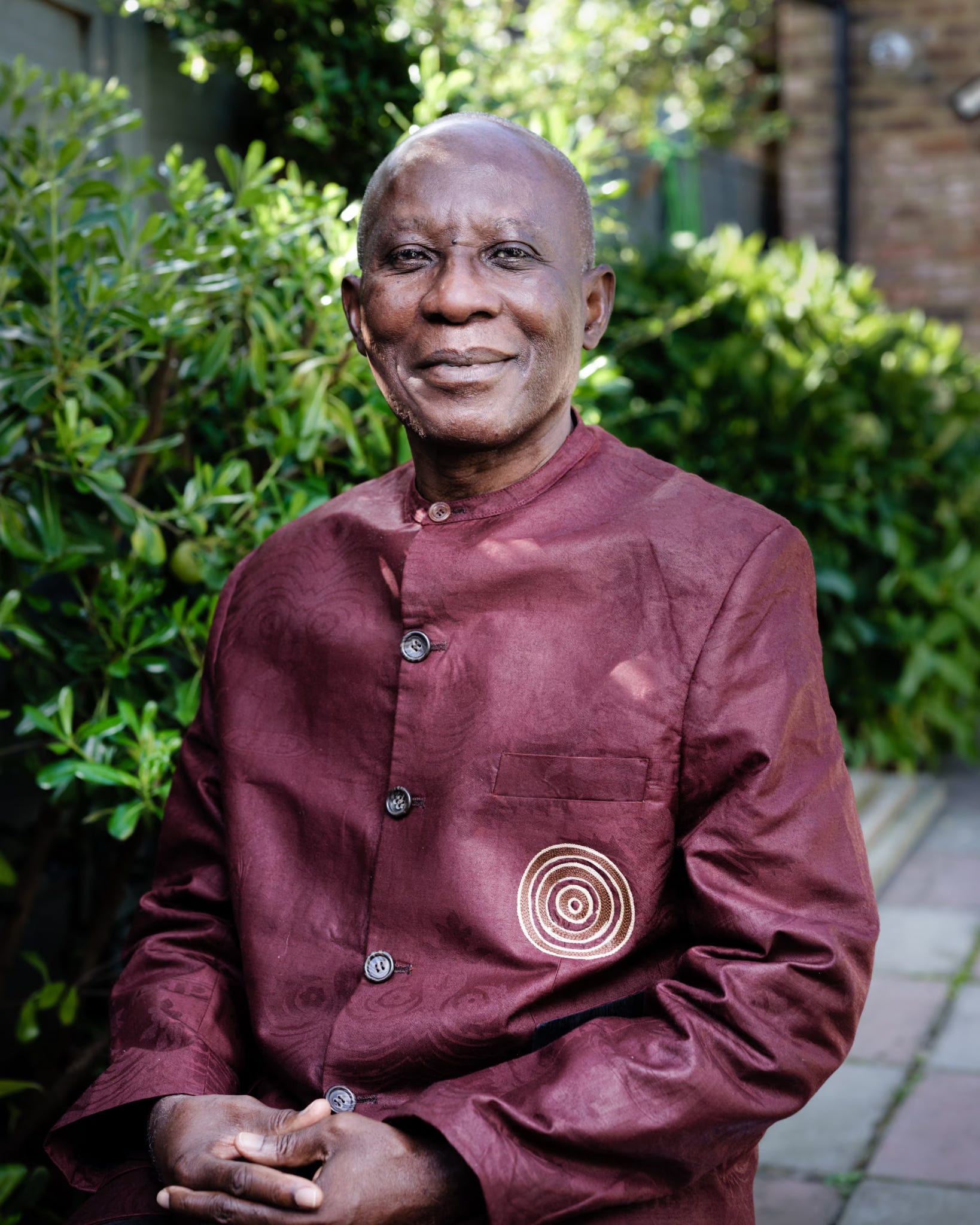
So, let me introduce you to Akyaaba Addai-Sebo.
A Ghanaian analyst, journalist and Pan-African activist, Addai-Sebo is widely credited with initiating the UK’s annual Black History Month, first celebrated in 1987.
But he didn’t do it alone.
“Although I initiated the idea, making Black History Month was a collective effort,” Addai-Sebo has said, acknowledging the many people and organisations who helped bring the idea to life.
Born and raised in Kumasi, Ghana, Addai-Sebo was part of Kwame Nkrumah’s Young Pioneer Movement, a national youth organisation founded in 1960 that promoted patriotism, discipline and Pan-African ideals.
His education later took him to the US in the 1970s, where he became involved in the Pan-African liberation movement. There, he witnessed the transition from Negro History Week to Black History Month.
What stood out to Addai-Sebo was not simply that Black history was being recognised. It was what that recognition could do for Black children.
“I had lectured about African traditions in the United States,” he recalled, “and children and their parents told me it had given them a new sense of self.”
That idea stayed with him.
In 1984, Addai-Sebo moved to Britain, seeking refuge from political persecution in Ghana during the regime of Jerry John Rawlings. He settled in London with his wife and quickly became involved in the city’s Black activist community, living alongside Pan-African intellectual C. L. R. James and his nephew, activist Darcus Howe.
Within a year of arriving in Britain, he had become Special Projects Coordinator at the Greater London Council, Chairman of the African Refugees Housing Action Group and later Operations Manager of Notting Hill Carnival.
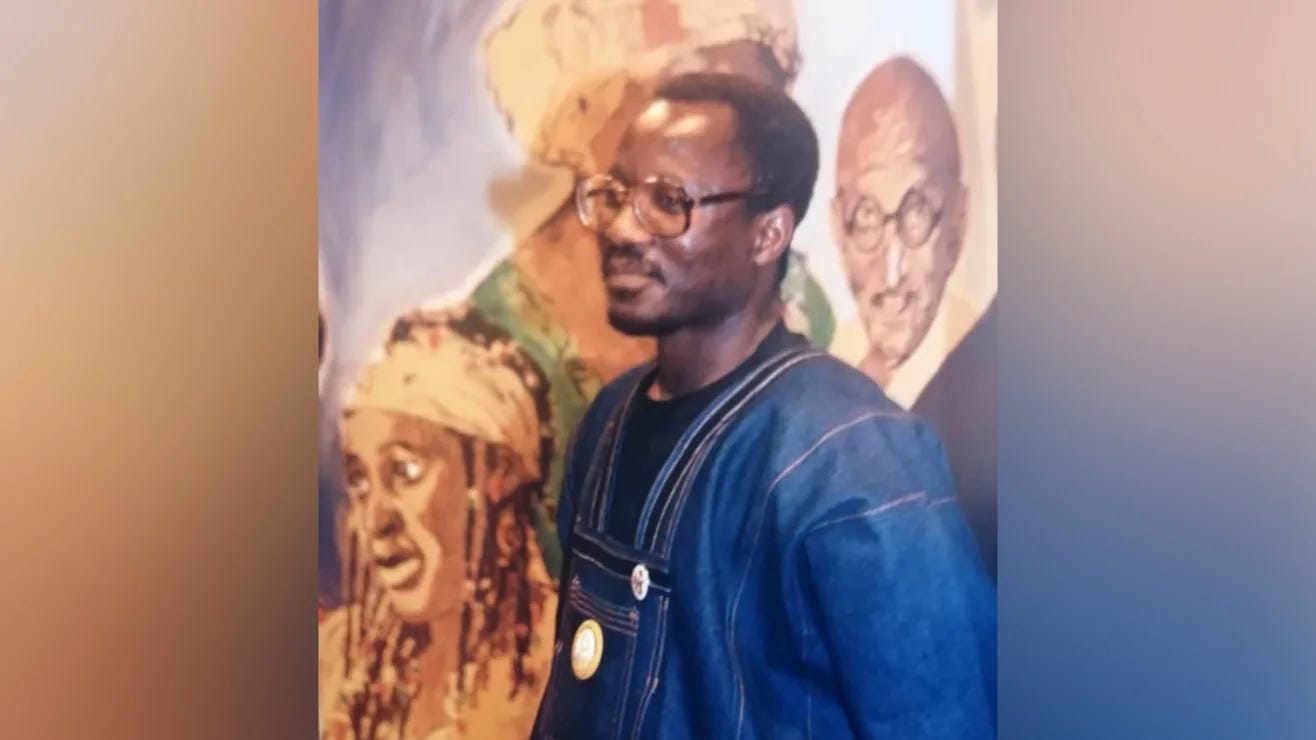
It was through his work and community involvement that he became increasingly aware of a problem affecting Black children in Britain: identity.
In the mid-1980s, Addai-Sebo became concerned by the way some Black children viewed their African heritage. One conversation, in particular, stayed with him.
A colleague came to work visibly upset. Her six-year-old son, Marcus, had been deliberately named after Marcus Garvey. Yet the night before, he had asked his mother:
“Mom, why can’t I be white?”
His mother was devastated.
“I named my son after Marcus Garvey,” she told Addai-Sebo. “And here he is, just six years old, questioning his identity. I’ve failed my son.”
His response was immediate:
“No, you haven’t failed your son. The national curriculum, local authorities, churches and the institutions — they have failed your son. Not only your son. They’ve failed all children growing up in this country.”
That conversation forced Addai-Sebo to think about what could be done.
For weeks, he observed and spoke to young Black children in schools, buses, parks, and playgrounds across London. He noticed a wider identity crisis. Some children were embarrassed by being African, while others struggled with the distinctions between African and Caribbean identities.
Reading this part of Addai-Sebo’s story really struck me because I recognised something in it.
Growing up, I was ashamed to be African.
At the time, it wasn’t considered cool to be African. I also felt like Africa was reduced to a handful of countries — Nigeria, Ghana and Congo. Barely anyone knew where Angola was, or even that it was a country to begin with.
So whenever people asked me where I was from, I would say Portugal instead.
Looking back, I still can’t believe I claimed to be from the coloniser.
But from secondary school onwards, my relationship with my identity started to change.
I met and became friends with people from Sierra Leone, Côte d’Ivoire, Tanzania, Morocco, Congo, Nigeria, Ghana, Gambia, Senegal, Jamaica, Trinidad, St Lucia, St Kitts and more. Seeing people confidently share and embrace their culture made me more comfortable sharing mine. I also met fellow Angolans who weren’t family members – people who were proud of where they came from.
I no longer claim to be Portuguese.
I am Angolan.
For Addai-Sebo, creating that sense of pride was bigger than simply putting African history into a calendar.
He wanted children growing up in Britain to understand and appreciate Africa, Africans and people of African descent, including their contributions to civilisation and to the development of Britain and Europe.
He wanted to create a cultural space that could help address the identity crisis he was witnessing.
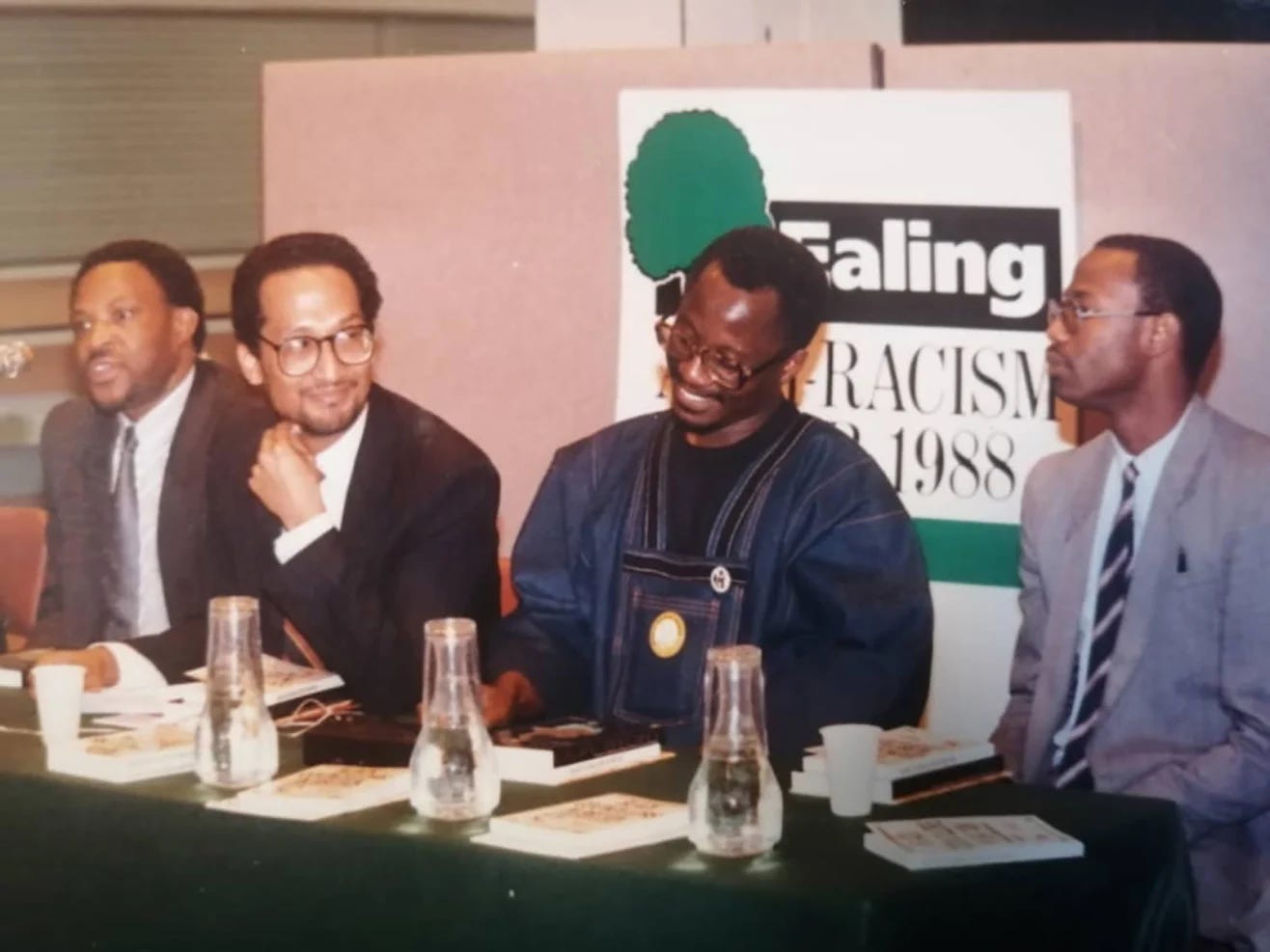
With support from the Greater London Council, the Inner London Education Authority and people including Ansel Wong, Head of the GLC’s Ethnic Minorities Unit, Addai-Sebo began working towards an annual celebration of African and Black history.
But before Black History Month officially began, the groundwork was already being laid
In 1986, Addai-Sebo and colleagues organised the GLC Historical Lectures and Concerts, a programme designed to highlight Africa’s contribution to civilisation. For a week, the Royal Albert Hall was filled with schoolchildren listening to music and talks, while speakers travelled into communities to create conversations around Black history and culture.
The programme brought together education, culture and entertainment. Figures including Jesse Jackson, Angela Davis, Winnie Mandela, Marcus Garvey Jr. were among the prominent figures connected to the wider political and cultural activity taking place in London during this period.
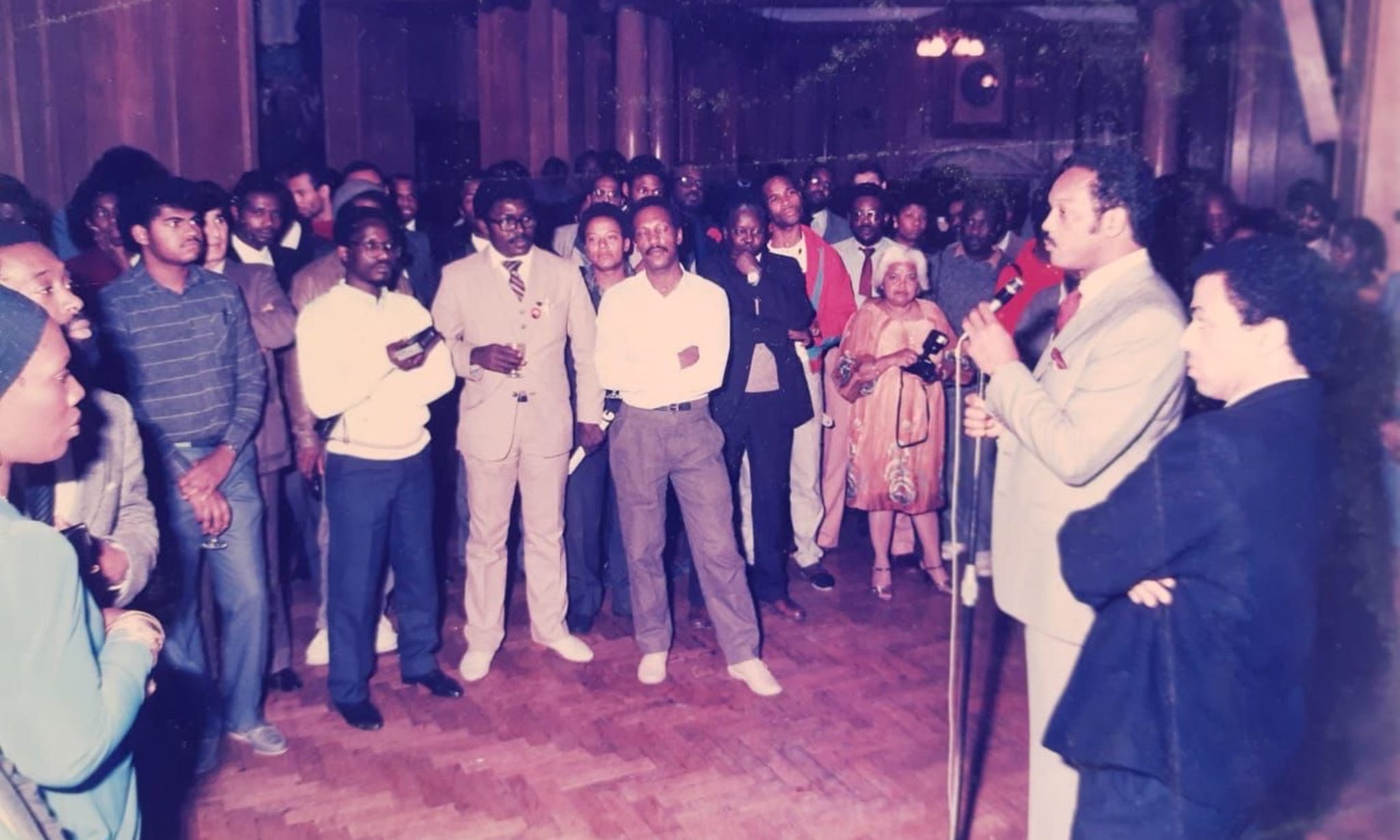
Black history was being brought into communities through education, music and public events.
The groundwork was being laid.
On 1 October 1987, the first UK Black History event was held in London, with the GLC hosting DR Maulana Karenga, the founder of Kwanzaa. The event marked the contributions of Black people throughout history and formed part of the wider African Jubilee Year activities.
But why October?
Britain didn’t simply copy the United States and move Black History Month to February.
For Addai-Sebo, October made sense because of the children.
It marked the beginning of a new school year. Children had returned from their summer holidays, their minds were refreshed and they had more time before exams and tests became a major focus. Addai-Sebo wanted their surroundings to be filled with positive images, education and conversations about their history and origins.
October also held significance within African cultural traditions, including its association with harvest, reflection, tolerance and reconciliation.
At the centre of it all was self-pride.
“Self-pride is the catalyst for achievements.”
And there is something powerful about that idea.
Almost 40 years after the first UK celebration, Black History Month has evolved into a month where people highlight Black British people who have contributed to the country, while celebrating music, culture, literature, fashion, theatre, art, food, businesses and community.
But learning how Black History Month began has made me think about the month differently.
When I think about Akyaaba Addai-Sebo’s story now, I think about that little boy who asked his mother why he couldn’t be white.
I think about the children he wanted to see themselves differently.
And I think about the younger version of myself who once felt embarrassed to say I was African.
During my BA in Creative Writing, I eventually wrote a poetry collection centred around celebrating Blackness. This was around the time George Floyd was killed and conversations around Black Lives Matter were everywhere.
So much of what we were seeing centred on racism, police brutality and trauma. I wanted to create something that focused on the positives of being Black — Black love, Black hair, Black beauty and Black culture.
One of those poems was specifically connected to my Angolan heritage.
I think that’s part of what Black History Month can do.
It can remind us that our histories aren’t only about what happened to us. They are also about what we have created, what we have contributed, what we have survived and what we continue to build.
So, what now?
We can’t rely solely on schools to teach us everything about our history.
That doesn’t mean institutions shouldn’t teach Black British history — they absolutely should. In fact, more of it should be taught.
But as individuals and communities, we can also read. We can research. We can attend events, support Black creatives and Black-owned businesses, learn about pioneers and share what we discover.
We can talk to older generations.
We can preserve stories.
We can create our own work that reflects our Blackness.
We have to be the change we want to see.
Every October, Black History Month gives us reason to pause and look at the people, communities and histories that have shaped Britain and the wider world.
It isn’t just a month on the calendar.
It came from a concern about children knowing their history. It came from community activism, education and the belief that seeing yourself reflected in history can change how you see yourself.
Nearly 40 years after the first UK celebration in 1987, I’m spending doing something very simple:
Learning.
Because if Akyaaba Addai-Sebo helped create the space for us to celebrate Black history, the least I can do is use it to learn more about my own.

If you are interested in becoming a GUAP contributor and telling stories that matter to the culture we want to hear from you. We commission emerging writers, journalists and video creators every month to cover the people, communities and moments our audience needs to discover. Your subject. Your voice. No brief.
For more information/submit a story - click here.

Consider becoming a paid subscriber and gain access to:
The full GUAP Daily: five deep-dive articles/video essays written by and for the culture, a week straight to your inbox, Monday to Friday.
The Sunday opportunities newsletter - jobs, freelance roles, commissions, casting calls and industry openings every week
Monthly online events - masterclasses, workshops, live interviews and community gatherings ran by OURPPLS.
Discounts/Perks from our community partners including Tunecore,
For only £6 a month (price of a coffee) you get access to the opportunities, the knowledge and the community that keeps you close to the culture. Whether you are building something or you just care about what is happening - this is where you want to be. And every membership puts money directly into the hands of the writers and creators telling the stories that actually matter.