



It really is super cringe watching someone try too hard to fit into a city’s aesthetic.
Like for example, the person who lands in New York and immediately throws on a pair of timbs no matter the season, or the tourist in Tokyo who treats the entire city like an anime convention, leaning so heavily into a hyper-curated, pastel “kawaii” vibe that they look like a caricature of a culture they don’t actually understand.
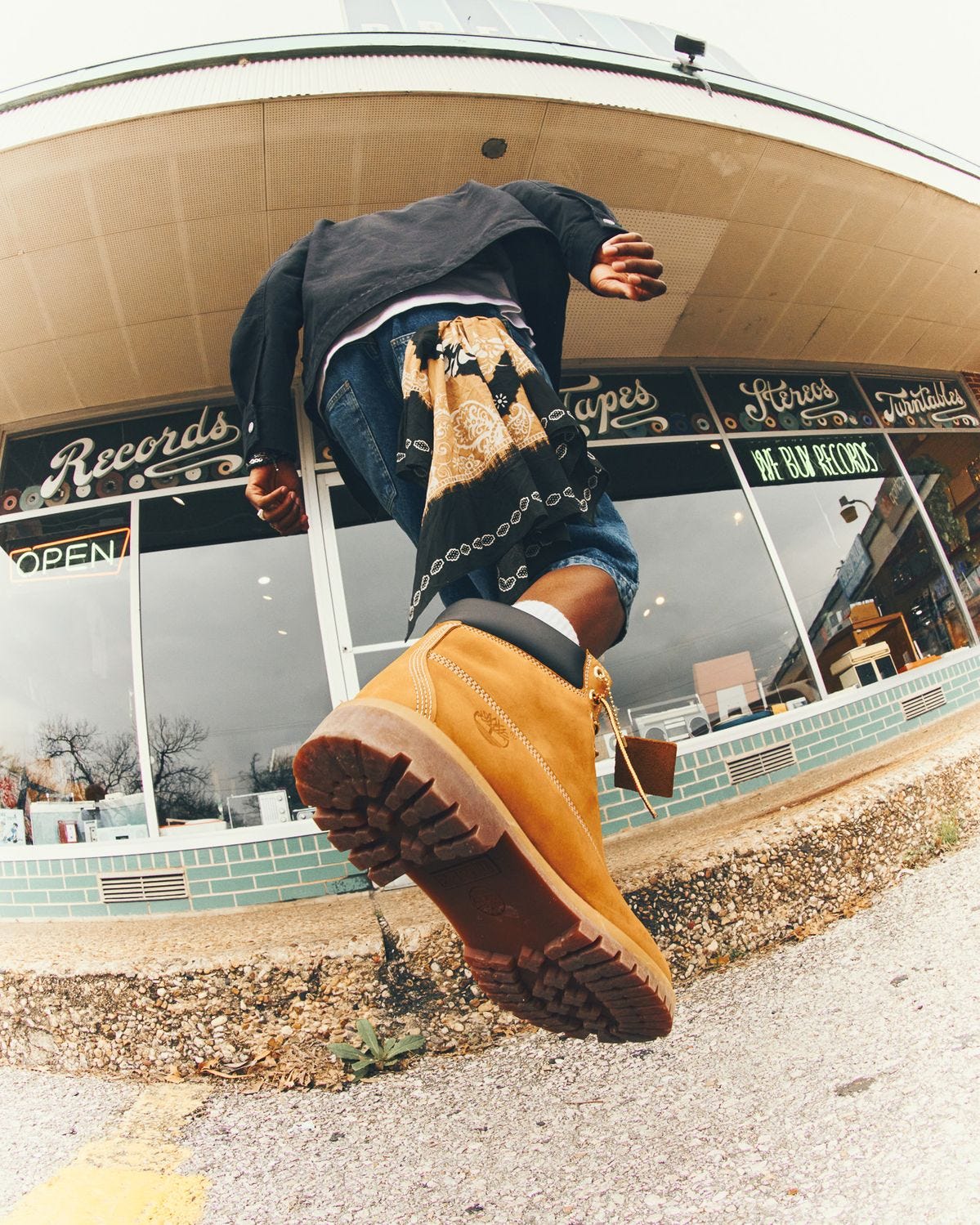
When you dress strictly for your environment, you aren’t styling an outfit; you’re putting on a costume. You become a character playing a part based on what a Pinterest algorithm told you a specific zip code is supposed to look like. It feels forced because it is. True style isn’t about matching the scenery. It’s about staying true to yourself, regardless of where you happen to be standing.
A great example of actual authenticity would have to be Trinity on Season 8 of Love Island USA.
The villa in Fiji is an environment defined by a strict visual template, a setting designed to make everyone blend into a sun-soaked, tropical collective. But instead of succumbing to the standard island aesthetic, Trinity stepped out pairing rabbit tails with Timberland heel boots. In the middle of the South Pacific.

It was disruptive, visually striking, and authentic. At least to me. Trinity didn’t let the tropical backdrop dictate her identity or dictate what “belonged” on her feet; she brought her own aesthetic into theirs. Not to mention, she popped out in that one popular Triangl bikini from 2016. Very niche. When you dress with that level of self-trust, the environment naturally adapts to your energy, not the other way around.
Right now, we are living in the era of the algorithmic aesthetic. Digital mood boards have fundamentally changed how we view clothing. Platforms like Pinterest, TikTok, and Instagram aren’t even used for inspiration anymore. Everyone just copies and pastes. “Clean Girl,” “Mob Wife,” “Coquette.” We start dressing for the camera, for the saved folder, or to fit a neatly packaged title.
When we rely entirely on external validation to build an outfit, we stop asking ourselves what we actually like. We trade our intuitive individuality for a generic carbon copy of someone else’s feed.
Breaking free from the algorithm and regional expectations requires a conscious shift from looking outward to looking inward. It’s about building a wardrobe based on intuition rather than following what everybody else is doing. At the end of the day, fashion is meant to be an unfiltered extension of your unique perspective. You don’t need a Pinterest board to validate your choices.
You really just have to trust your instinct and show up exactly as yourself. After all, if you can wear Timbs in Fiji, you can wear anything anywhere.
We need to stop asking, “Does this fit the vibe of the place I’m going?” The only question that matters is whether the outfit actually represents you.
And no, I don’t mean wearing an Alo set to dinner either.

If you are interested in becoming a GUAP contributor and telling stories that matter to the culture we want to hear from you. We commission emerging writers, journalists and video creators every month to cover the people, communities and moments our audience needs to discover. Your subject. Your voice. No brief.
For more information/submit a story - click here.

Consider becoming a paid subscriber and gain access to:
The full GUAP Daily: five deep-dive articles/video essays written by and for the culture, a week straight to your inbox, Monday to Friday.
The Sunday opportunities newsletter - jobs, freelance roles, commissions, casting calls and industry openings every week
Monthly online events - masterclasses, workshops, live interviews and community gatherings ran by OURPPLS.
Discounts/Perks from our community partners including Tunecore,
For only £6 a month (price of a coffee) you get access to the opportunities, the knowledge and the community that keeps you close to the culture. Whether you are building something or you just care about what is happening - this is where you want to be. And every membership puts money directly into the hands of the writers and creators telling the stories that actually matter.