




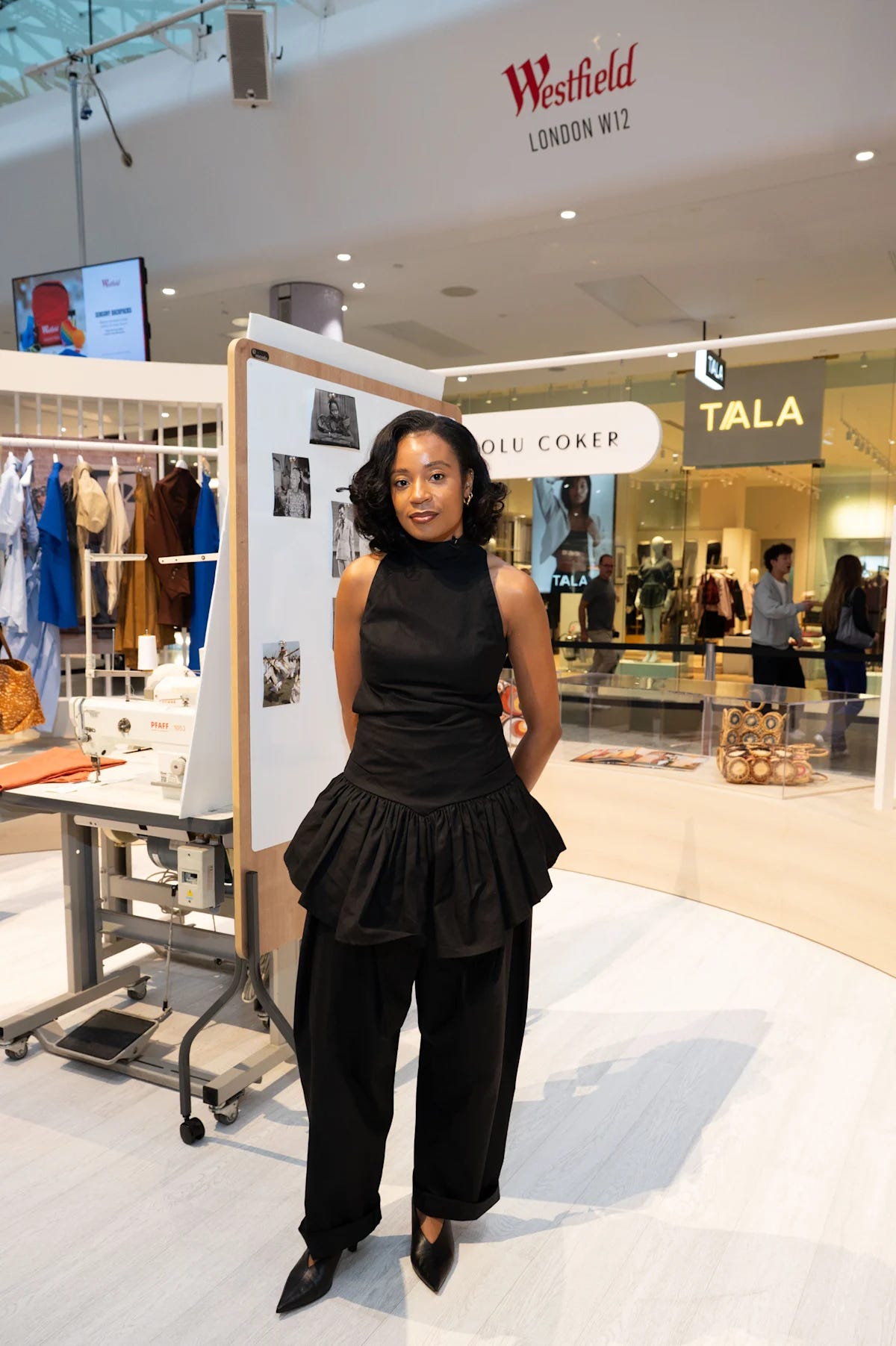
On the ground floor of Westfield London, in the main atrium, between the shops and shoppers, sat Tolu Coker’s Common Ground. When I first looked at the installation, it seemed almost out of place in its surroundings, as this is a space designed for shopping, yet among Europe’s largest shopping centre sat a self-curated exploration of memory, migration, authorship, and cultural inheritance.
Once you’re inside the installation, Coker’s creative process is shown through fashion, sound, craft, process and visual storytelling. Ready-to-wear pieces were on displayed mannequins, alongside signature designs, accessories, sewing machines and sketches. Seeing the garments and tools displayed this way gave an insight into how Coker’s ideas moved from the creative process to the final finished piece

From 11-20 September as part of Westfield Days: The Sound of Style, in partnership with Fashion Britain, Common Ground was a programme of listening, conversation and collective encounter. Having the installation in a shopping centre made me think about who gets to experience fashion in the first place.
Running alongside London Fashion Week, Common Ground was in a space that anyone could walk into. While some LFW shows and industry events are invite-only, Coker’s installation was free and open to the general public. People could come across Coker’s work simply by being at Westfield regardless of whether or not they had any sort of connection to fashion.
Later, the idea of access came up again during the panel, What We Inherit, We Remake. Journalist Yomi Adegoke was joined with Black British designers Walé Adeyemi and Charlie Casely-Hayford to talk about the people and experiences that shaped their work, and what they want to leave behind for the next generation.
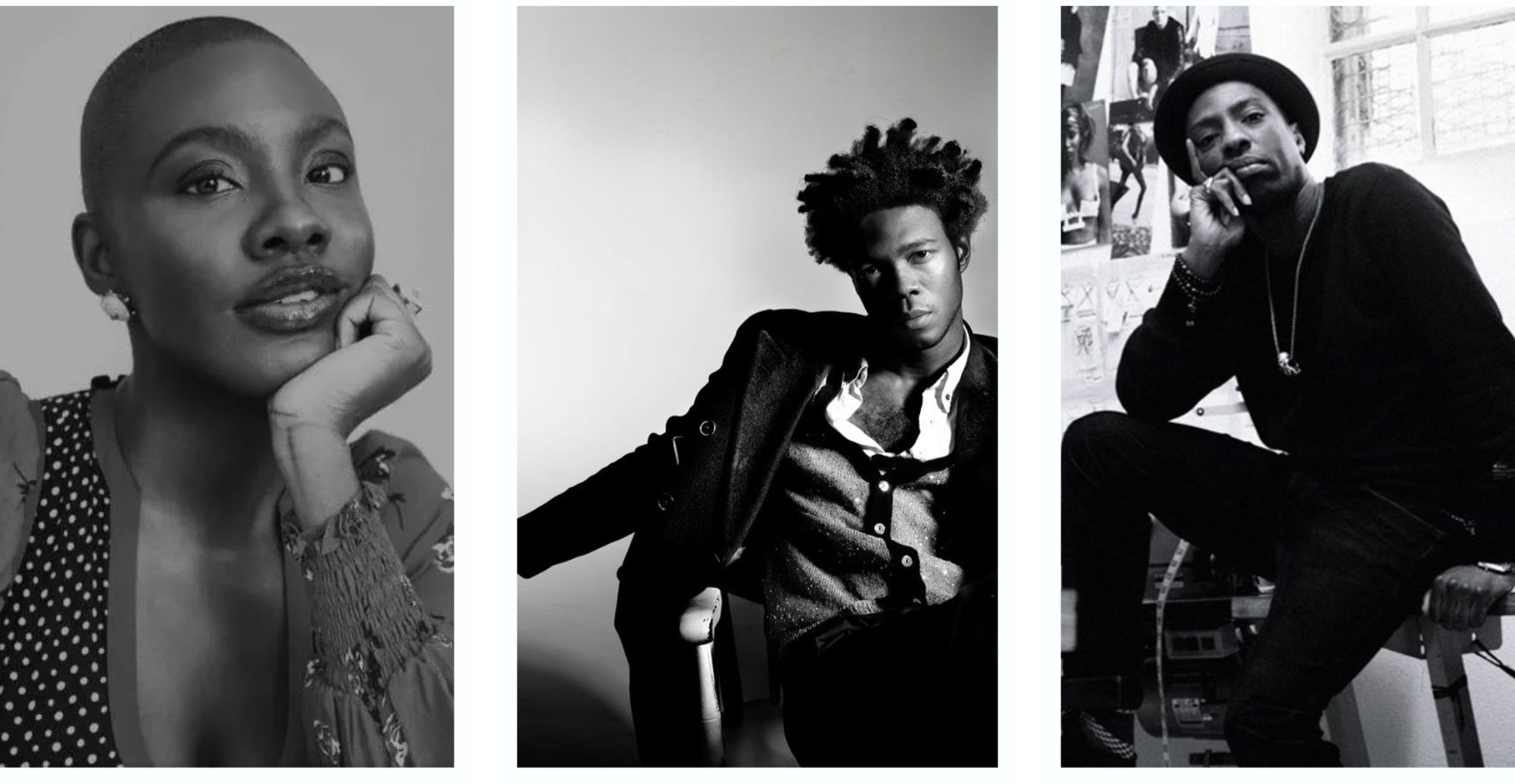
Adegoke opened by asking, “What is one thing from the generation before you that you’ve decided to physically protect in your own creative practice? And what is one thing that you’ve deliberately decided to challenge?”
For Adeyemi, inheritance began with seeing possibility.
Before entering fashion, he had rarely seen someone who looked like him working in the industry at a level he could aspire to. Interning for the Casely-Hayford family changed that.
“I think it’s really important to be able to reflect on seeing someone that looks similar to yourself to be able to make sure those goals are achievable,” he says.
Adeyemi didn’t inherit clothing; he inherited the possibility of a creative future. Seeing people who looked like him in those spaces and succeeding, gave him something to aspire towards. As he puts it, “his family gave me that opportunity to dream. We all need to dream, right?”
For Casely-Hayford, inheritance was less about seeing a future and more about carrying a past he had not personally lived.
Growing up and working with his father, the late Joe Casely-Hayford OBE, he absorbed stories, cultural references and experiences that became part of his own creative identity.
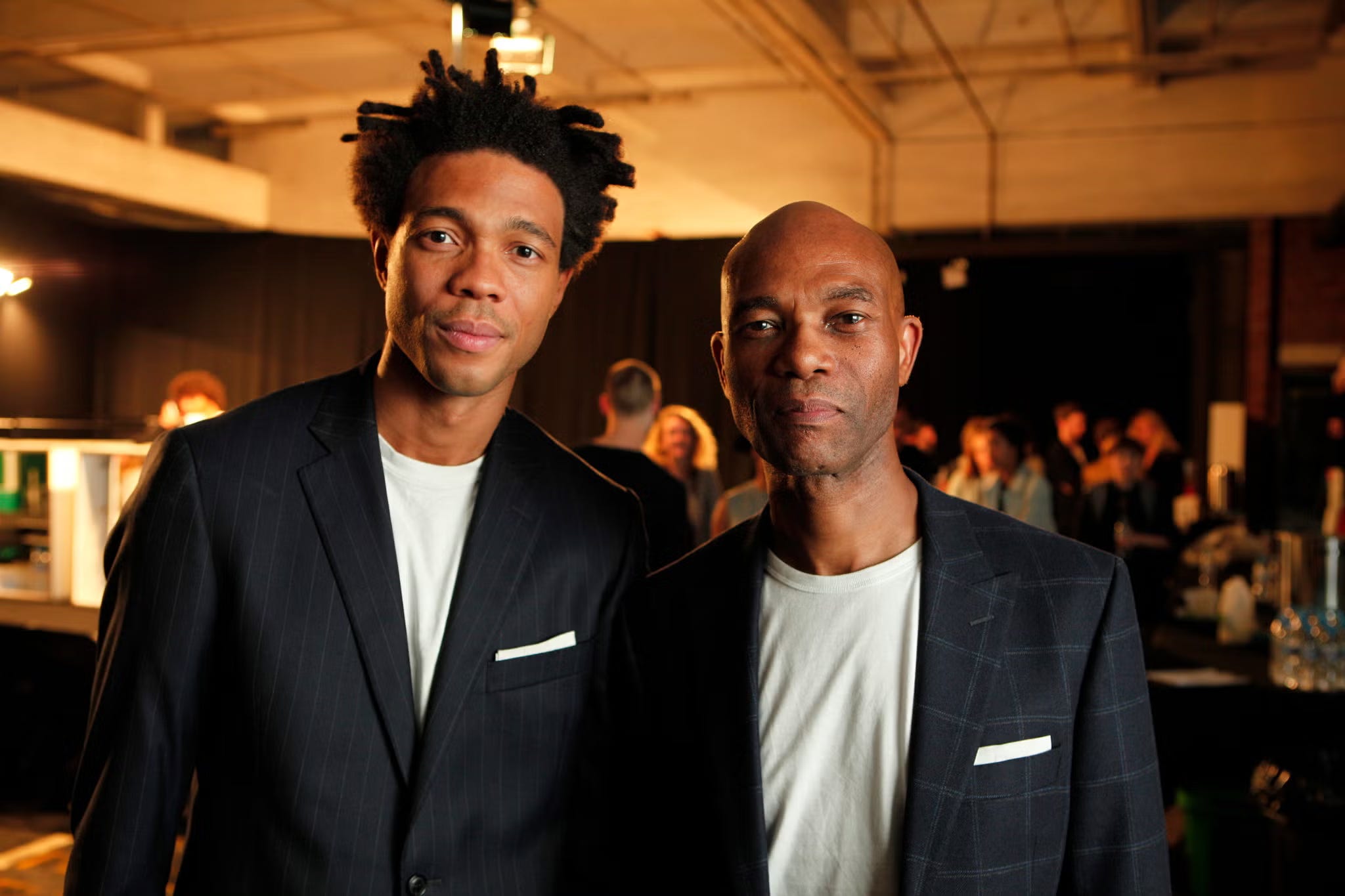
“Whilst I wasn’t a part of that experience, all those varying subcultures that define who my dad is, are now a part of me,” he explains. He aims to honour those influences while continuing to develop his own creative voice: “I do my utmost to respect them and honour them whilst trying to create in a way that moves the conversation forward.”
Their experiences show that inheritance isn’t passive. Sometimes it is the ability to imagine yourself somewhere and sometimes it is carrying stories you didn’t experience yourself. In both cases, what comes before becomes material for what comes next.
The idea of passing something forward brought the conversation back to access.
Adegoke asked Adeyemi about his continued championing support of emerging talent and whether he felt a responsibility to create the same opportunities for others.
“I think it’s really important to try to put certain people in the room to communicate and to understand how you can move in certain spaces.”
Adeyemi’s approach reflected the opportunities he received himself. He speaks about having people support his ambitions and giving him time to learn during his journey, and now tries to create similar opportunities for others.
“I think it’s really important to kind of showcase and to help and to shape the next generation.”
But exchange isn’t simply a one-way street. “I’m also learning from them as well,” he adds. For Adeyemi, making space for emerging creatives also means remaining open to what they bring with them. It is part of a continuous exchange between generations whereby emerging creatives are given the space to learn whilst those that came before them can take inspiration from them.
Casely-Hayford challenges what it actually means to be “in the room”.
“We need to move beyond that to this idea of authorship, which is actually challenging the definition of the room itself.”
For him, inclusion isn’t necessarily the end goal. “You can be allowed into the room and the centre may still stay intact.” Being given access to an existing system is not necessarily the same as having the power to reshape it.
That distinction felt particularly relevant to Common Ground. By placing Coker’s work in a public space like Westfield London, the installation shifts where fashion can be encountered and who gets to encounter it. The question isn’t solely who is allowed into fashion’s existing spaces, but what happens when the space itself changes.

The digital world has already shifted some of those boundaries.
“With everyone having a voice online… it gives an opportunity for everyone to sort of put their ideas across and their feelings across,” says Adeyemi.
Social media has increased participation in fashion conversations, giving people with their own audiences opportunities to respond to and shape the culture around them. But greater access also brings its own complications.
Casely-Hayford recalls how his father’s tutor would travel to fashion shows in Paris, sketch what he saw and bring those observations back to Central Saint Martins. During Casely-Hayford’s time there, he could watch shows through live streams.
The difference is significant. Someone in Birmingham can now encounter the same references as someone in Tokyo.
Casely-Hayford describes this as “both good and bad… it homogenises ideas and it homogenises fashion in itself.” The internet can open up access to knowledge and inspiration, however, it can also mean that creative references that they’re drawing from can become increasingly similar, essentially losing originality.
That makes the physical encounter offered by Common Ground particularly significant.
Adeyemi speaks about the importance of craft and the difference between encountering a garment digitally and experiencing it in person. “You don’t always get in the digital world because you’re not touching, you’re not feeling it’s a completely different experience.”
At Common Ground, visitors weren’t limited to looking at Coker’s work from a distance. Selected pieces could be tried on in a dedicated changing room, with different sizes available. The garment became something to physically encounter rather than simply something to view on a screen.
That emphasis on craft also connects to a wider question about where fashion’s boundaries begin and end.
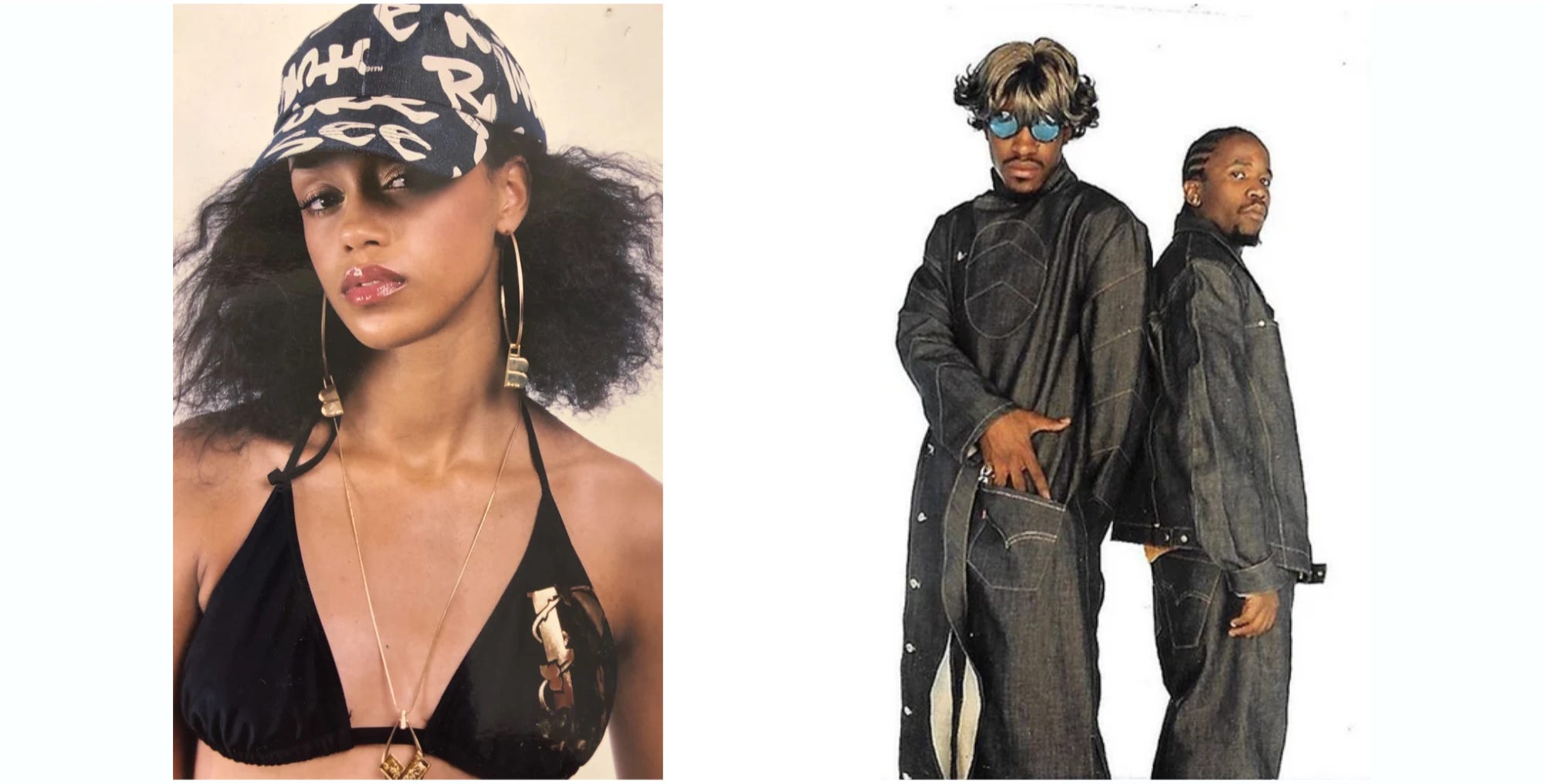
Adeyemi’s own career reflects this. Influenced by the emerging street style and sounds of the ‘90s, he describes his style as “somewhere between the kerb & the boutique” – a phrase that has stayed with him since ‘98.
At the time, he found himself difficult for the industry to categorise, with his work sitting between streetwear and more elevated fashion. What once existed outside of already established categories has become much more familiar within the fashion landscape. Adeyemi’s experience echoes Casely-Hayford’s argument that challenging the centre isn’t only about entering existing spaces, but about changing what those spaces can include and look like.
This brings us to our final question: what do we pass forward?
For Casely-Hayford, his father’s legacy was not only contained in the clothes he created. People remembered Joe Casely-Hayford for making introductions, opening doors and helping others find opportunities.
Thus, the BFC Foundation MA & BA Joe Casely-Hayford Scholarship was born. Launched in 2023, the scholarship continues that legacy by supporting, celebrating and spotlighting emerging Black and mixed heritage talent as they begin their journey in the fashion industry. Casely-Hayford noted that “community” was a word that repeatedly came up among the scholarship candidates, reflecting the idea of “everyone kind of coming up together.”
It brings the conversation back to inheritance. What’s passed down isn’t only an aesthetic or a technique. It can be knowledge, opportunity, confidence, community and the belief that there’s space for someone else to come after you.
Common Ground became a meeting point between the past and present, fashion and culture, digital and physical, individual and community.
What we inherit isn’t simply what came before us. It’s what we choose to protect, what we challenge and what we remake and finally, what we leave for the generation that is coming next.

If you are interested in becoming a GUAP contributor and telling stories that matter to the culture we want to hear from you. We commission emerging writers, journalists and video creators every month to cover the people, communities and moments our audience needs to discover. Your subject. Your voice. No brief.
For more information/submit a story - click here.

Consider becoming a paid subscriber and gain access to:
The full GUAP Daily: five deep-dive articles/video essays written by and for the culture, a week straight to your inbox, Monday to Friday.
The Sunday opportunities newsletter - jobs, freelance roles, commissions, casting calls and industry openings every week
Monthly online events - masterclasses, workshops, live interviews and community gatherings ran by OURPPLS.
Discounts/Perks from our community partners including Tunecore,
For only £6 a month (price of a coffee) you get access to the opportunities, the knowledge and the community that keeps you close to the culture. Whether you are building something or you just care about what is happening - this is where you want to be. And every membership puts money directly into the hands of the writers and creators telling the stories that actually matter.