



I remember when I first heard about Professor Jason Arday. It was 2023, when he was appointed the youngest Black professor at Cambridge University at the age of 37. I never knew him personally, but I was proud of him. As a neurodivergent Black woman, knowing what he had achieved while navigating autism felt significant. Cambridge is one of the most prestigious educational institutions in the world, and he had earned his place there.
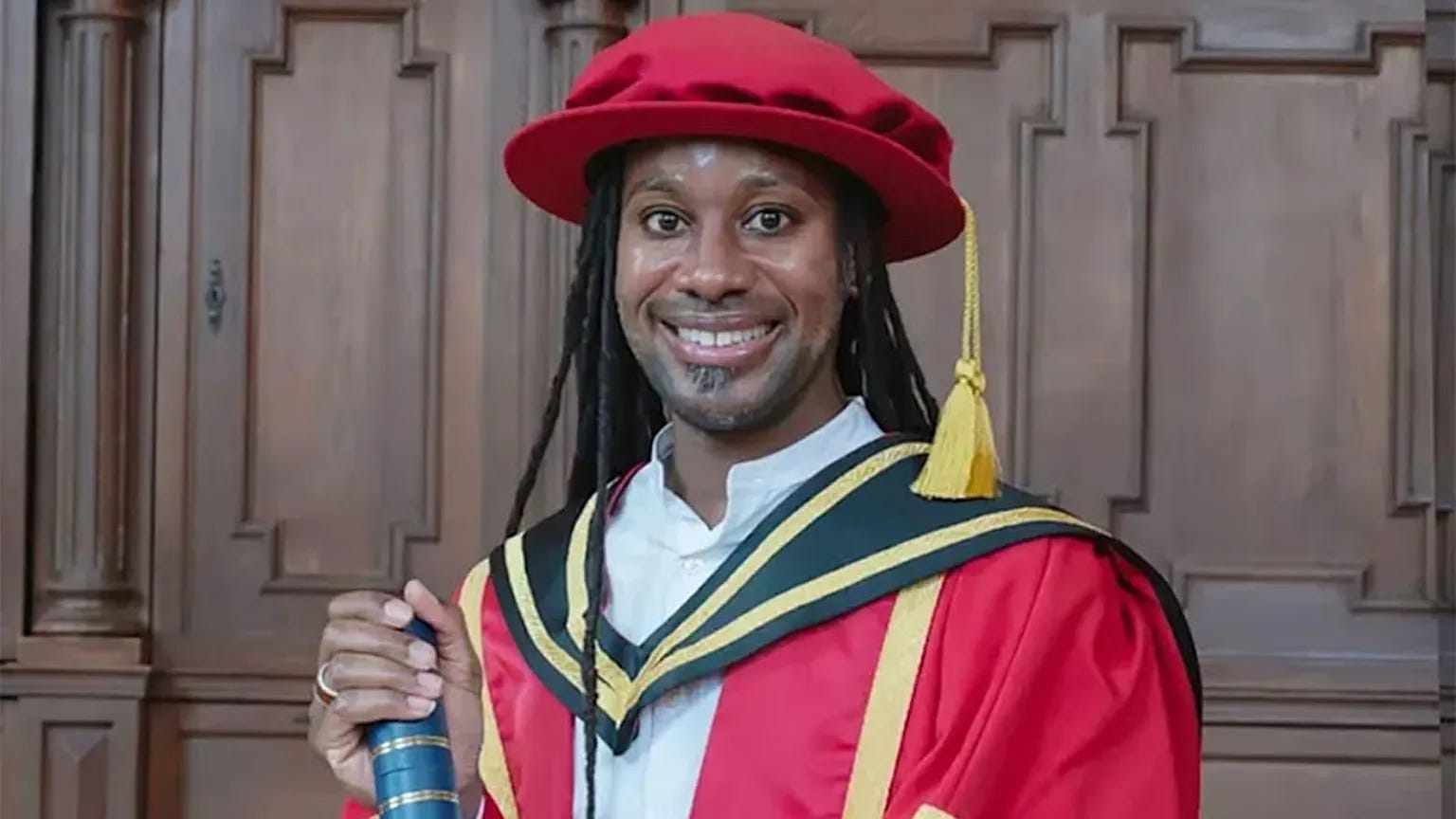
But I noticed something. The news of his appointment was not particularly widespread. It was only when the plagiarism accusations came, three years later, that his name was broadcasted across the media.
Plagiarism in academic institutions is not uncommon. In most cases it is handled internally, quietly, without public spectacle. But as a Black person, I learned early that you are not afforded the same grace as others when you make a mistake, or when you are accused of one. What might be a minor internal matter for someone else becomes a major public transgression when it is you. The same institutions that protect their own will expose you without hesitation.
What made this particularly disturbing was learning that other individuals at that same institution had faced allegations of a far more serious nature, including sexual abuse. Those men, white men, were largely able to keep their positions. The media had very little to say about them. The contrast was stark and it was deliberate.
Jason Arday’s death after weeks of media hounding devastated me. It broke my heart. The press showed little concern for his mental health or his vulnerability. I expected that from certain corners of the media. What I did not expect, and what hurt more, was the response from some Black people. Platforms run by and for Black audiences that had been largely silent during his Cambridge appointment were suddenly very present during his public shaming, seemingly relishing in it. It was a painful reminder of what low racial self-esteem can do to a community. Instead of defending one of our own, some chose to pile on, justifying the media’s behaviour by repeating unverified claims as though the hounding was somehow proportionate to the alleged offence.
It was not. Nothing warranted what was done to him.
I also want to speak about something I witnessed at a panel discussion held in the aftermath of his death. A white man was present who considered himself an ally and was involved in efforts to bring awareness to the injustice Jason faced. His presence was welcome. But some of what he said was not.
He repeatedly centred the oppression of trans people and Muslim people, at one point suggesting they are the most discriminated against groups in the media. This was said in a room convened specifically to discuss what had happened to a Black man. The deflection was uncomfortable. And it ignored something important: Black people can be trans. Black people can be Muslim. Intersectionality is not a footnote.
But the comment that truly stunned the room came when he described his last contact with Jason in the days before his death. Jason had been reluctant to attend a public event, afraid of being recognised. His safety felt compromised. His anxiety was real and it was reasonable. This man’s response, delivered with a laugh, was to tell him not to worry because the event would be mostly white people, and to white people all Black people look the same, so no one would recognise him.
He laughed. He did not register that the room had gone quiet.
That moment encapsulated something I have been thinking about ever since. Allyship is not a fixed identity. It is a practice, and it requires constant self-examination. You can show up for a cause while still carrying assumptions that undermine the very people you claim to support. The man at that panel was not a bad person. But what he said was racist, whether he understood it or not, and the fact that he did not understand it is precisely the problem.
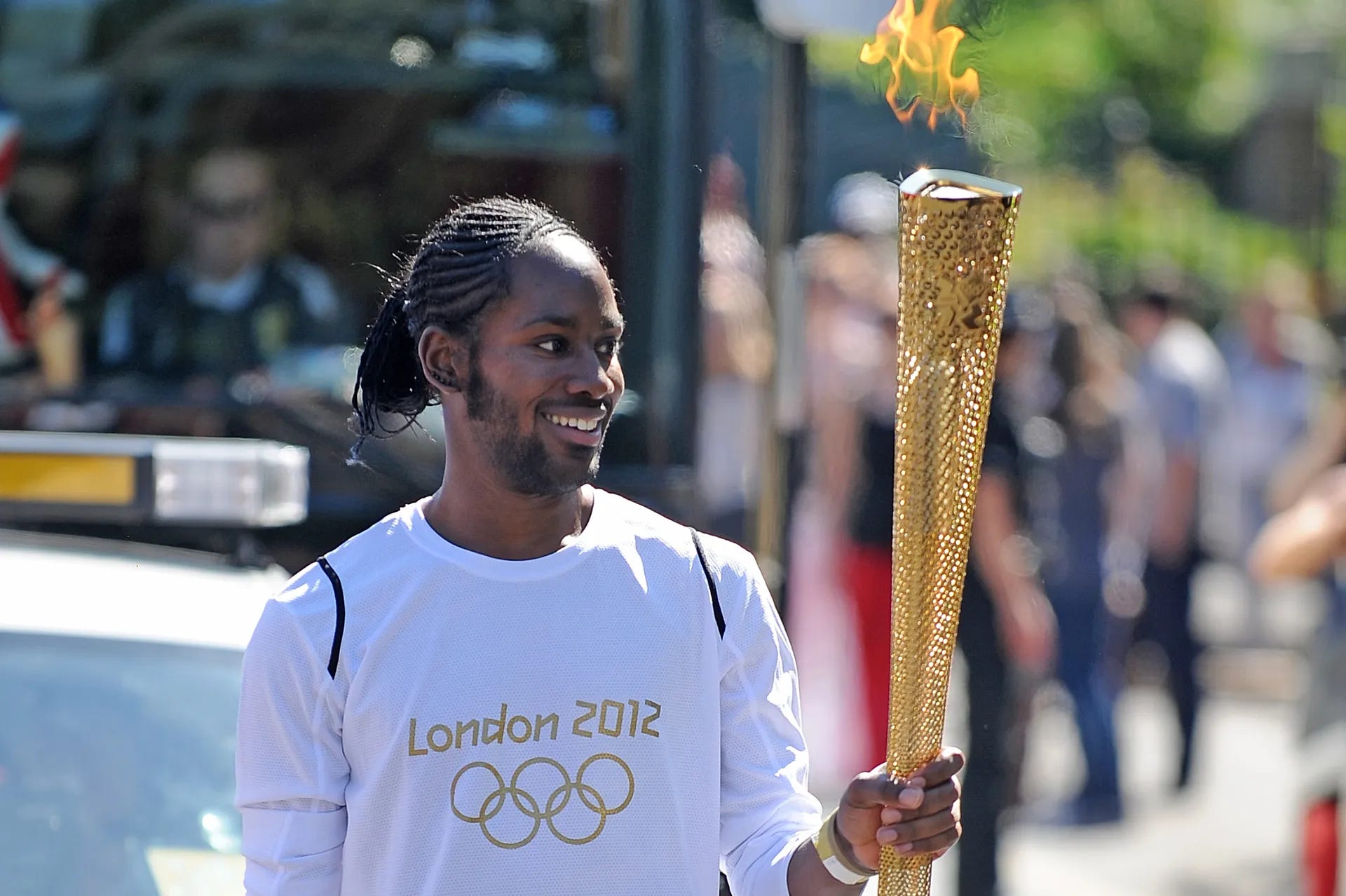
Jason Arday deserved better. He deserved better from the media that hounded him, from the institution that did not protect him, from the community members who turned on him, and from the allies who did not always know how to hold him with the care his vulnerability required.
He was a Black neurodivergent man who reached one of the highest positions in British academia. That achievement should have been celebrated loudly and protected fiercely. Instead, it became the foundation for a public dismantling that he did not survive.
In the words of London reggae group The League of Rebelz, “I’m not a tool that you can use and make me do what you want me to.” That line from Rebel in Babylon came back to me when I watched what happened to Professor Jason Arday. Because that is exactly what institutions do: they use you, celebrate you when it is convenient, and discard you when you become inconvenient.
We should say his name with pride. We should remember what he achieved. And we should be honest about what we failed to do while he was still here.

If you are interested in becoming a GUAP contributor and telling stories that matter to the culture we want to hear from you. We commission emerging writers, journalists and video creators every month to cover the people, communities and moments our audience needs to discover. Your subject. Your voice. No brief.
For more information/submit a story - click here.

Consider becoming a paid subscriber and gain access to:
The full GUAP Daily: five deep-dive articles/video essays written by and for the culture, a week straight to your inbox, Monday to Friday.
The Sunday opportunities newsletter - jobs, freelance roles, commissions, casting calls and industry openings every week
Monthly online events - masterclasses, workshops, live interviews and community gatherings ran by OURPPLS.
Discounts/Perks from our community partners including Tunecore,
For only £6 a month (price of a coffee) you get access to the opportunities, the knowledge and the community that keeps you close to the culture. Whether you are building something or you just care about what is happening - this is where you want to be. And every membership puts money directly into the hands of the writers and creators telling the stories that actually matter.