




I have been thinking about Pidgin English and how much it has quietly become a part of who we are as Nigerians, especially the youths.
Not just the language we use to communicate, but the language we use to tell people who we are, where we were raised and what affiliations define us. Pidgin started, or at least was largely understood, as “broken English.” Natives trying to speak the language of the colonial master, but not quite speaking it the way the master did. So, naturally, we did what Nigerians have always done with things that come into our space: we made them ours. We break them into pieces and mould them, sometimes into complicated elements or wild things begging to be useful to our tongue.
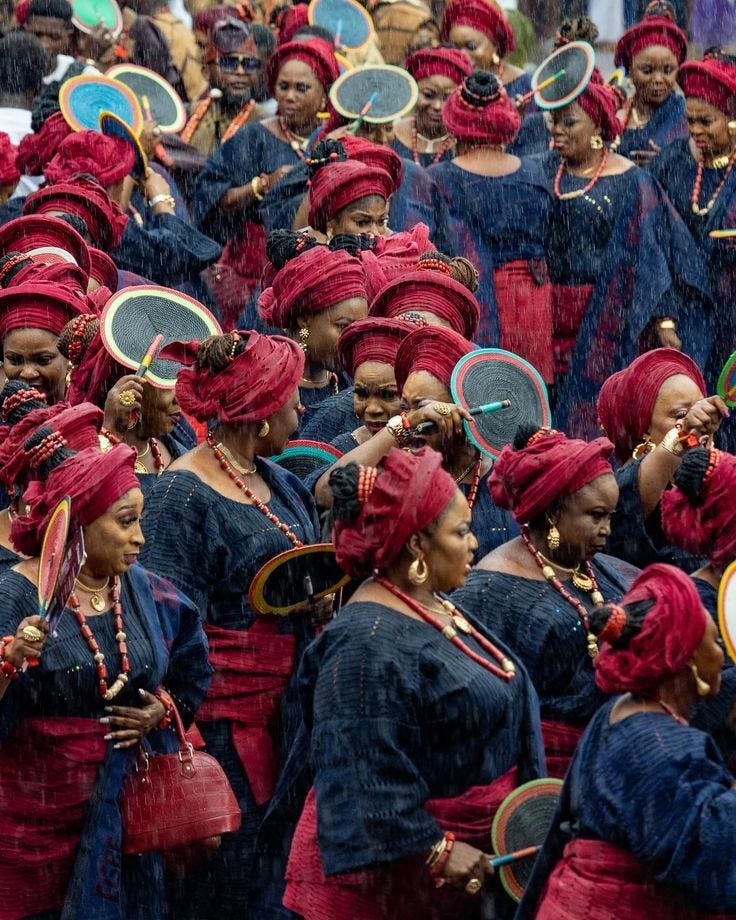
We took the English words, mixed them with our local languages, added our accents, borrowed from neighbouring countries, picked up words from foreigners we met through trade and travel, threw in some slang and somehow created something that could travel from one end of Nigeria to another, and now we’ve made them our national tongue with more and more people jostling to pick the everyday lingo for their own entertainment in other to connect with more Nigerians.
Take pikin, for example. The word is generally linked to Portuguese influence and is now so comfortably Nigerian that you hardly stop to ask where it came from. Most Nigerians don’t even know the origin of the word itself, they might likely argue that it was culled from one of our local languages. Then there is panya, which has been used in Nigerian Pidgin to mean a far or distant place and is associated with Equatorial Guinea. It’s simply of corruption of the word España (Spain), as Equatorial Guinea was once formerly a Spanish colony.

That’s the kind of magic in words that makes the creativity in pidgin so rich, it’s mind blowing. I find this particularly fascinating because language is sometimes a record of where people have been, who they have met and what they have absorbed. Pidgin is like that. But there is another thing about Pidgin that I find even more interesting.
There is no one Pidgin. The Pidgin you hear depends on where the person is from, the language they grew up speaking, the people around them, the social group they belong to and, sometimes, who they are talking to.
A young person can speak one kind of Pidgin with their friends and another kind at home. The same person who is completely unfiltered with their classmates can suddenly become very deliberate when speaking to their parents. And then there is the Pidgin we speak when we meet people we are not sure about. You know that one, You are somewhere and you cannot quite place the person in front of you. You don’t know whether they are harmless, whether they have authority, whether they are somebody you should respect, or whether they are the kind of person who can make trouble for you.
Suddenly, your language changes, you filter your lingo, either to assert authority first or to show submission or co-operation. You adjust quickly and listen more carefully. You may even change your accent to fit the style of the opposition. Because language is not always just about what we want to say. Sometimes it is about what we want the other person to believe about us. And young people are particularly good at this.
A young Nigerian may be Igbo, Yoruba, Hausa, Ijaw, Efik, Urhobo or any of the many identities that make up this country, but their Pidgin can tell you another story. It can show you where they have lived, who they have spent time with, what kind of music they listen to and moreso, what streets they have walked. And sometimes, how much “street” they want you to believe they have.
I have noticed, for instance, that certain variations of Pidgin have acquired their own social personalities. Port Harcourt Pidgin for instance, can carry a kind of sharpness and street wisdom. There is something in it that can make the speaker sound like someone who has seen life from a certain angle, and then there’s the Lagos Pidgin which can make someone sound accessible. Like, “Relax. We can do business. I understand how things work.” And Warri Pidgin? There is often a kind of confidence to it. A versatility, that feeling that if something happens, somebody will know what to do about it, and probably tell you exactly what to do too.
These are stereotypes, of course. They are not scientific measurements of people’s personalities. But stereotypes become interesting when enough people believe in them to begin shaping how we see one another. Now, that is where Pidgin starts becoming an identity marker. You may be born in one part of Nigeria, but the Pidgin you speak may tell people that you have lived somewhere else and interacted with certain kinds of people.
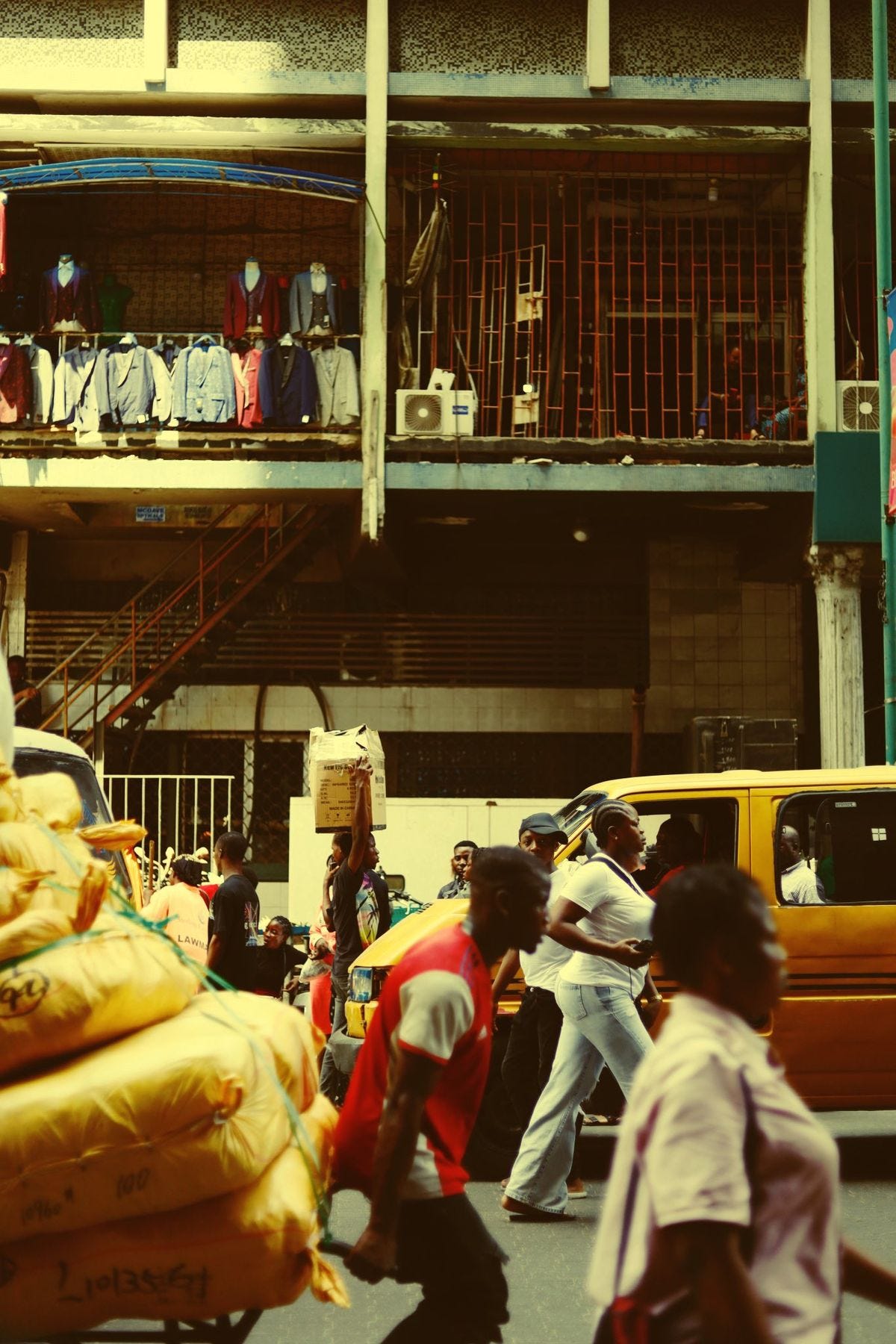
You may speak perfect English, but your friends may still judge your “street credibility” by how naturally you can enter a Pidgin conversation. There are even expressions that travel. A word can begin in one community, get picked up by young people somewhere else, change slightly in meaning, and eventually become so common that nobody remembers where it started. That is the thing about Nigerian Pidgin. It is always borrowing, and often always changing in form and meaning. It is always making room for somebody else’s word, and sometimes, the same word can mean something slightly different depending on where you hear it.
Take yawa, for example. In one setting, it can mean trouble. In another, it can be used playfully to describe an embarrassing situation. The meaning is not always in the word itself. Sometimes you need the tone, the facial expression, the relationship between the speakers and the situation to understand what has actually been said.
That is why Pidgin is more than vocabulary. It is in the context with which it is used, the tone it inflects, and the attitude the speaker carries it with. It is also knowing when “my guy” means affection and when “my guy” means, Oga, I am watching you. It is knowing when someone says “no wahala” and genuinely means there is no problem and when they are simply postponing the wahala until later.
Young people have taken this fluidity and run with it. Social media has made it even faster.
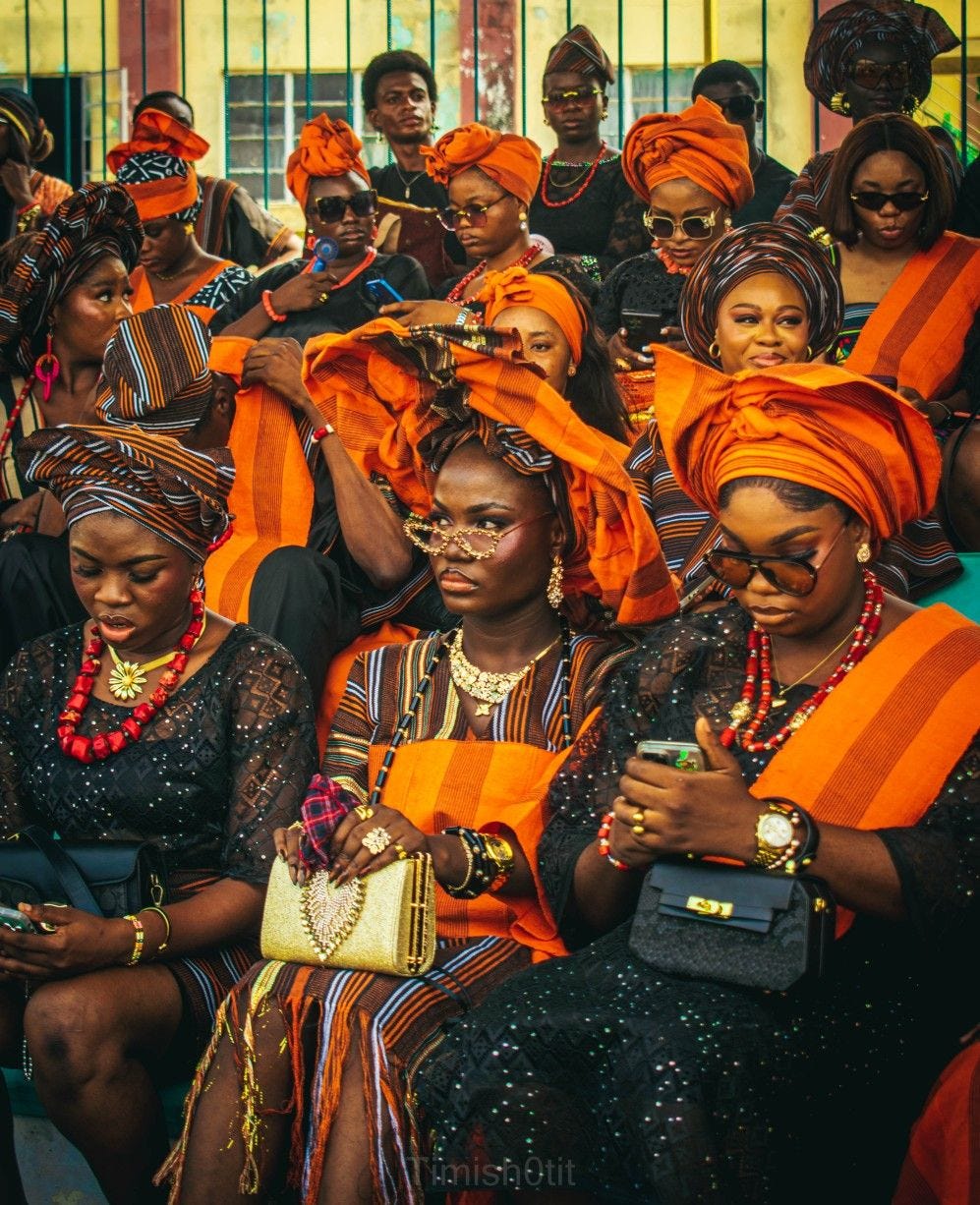
A phrase can start somewhere in Warri, appear in a Lagos skit, enter a song, travel through TikTok, land in a university hostel in Nsukka and before you know it, someone in Abuja is saying it as though they were born with it. We are constantly borrowing from one another. And perhaps that is one of the most beautiful things about Pidgin. It does not ask for ethnic purity, nor does it care that your father speaks Igbo and your mother speaks another language. It can pick something from one place, add something from another and still make itself understood somewhere else.
But I also think something deeper is happening with young people, Pidgin is becoming a kind of social passport. You can walk into a new environment and the way you speak can determine how quickly people accept you. Speak too formally and someone may tell you to “free yourself.” Speak the right Pidgin and suddenly you are one of us.
There is something almost amusing about how quickly language can change the distance between people. And perhaps that is why young people use it so deliberately.
Sometimes Pidgin makes you sound approachable, at times it makes you sound street-smart, some other times it makes you sound funny. It can give you authority in places you least expect, sometimes it helps you hide vulnerability. And there will be times, it simply helps you belong.
This is where I think Pidgin is beginning to reshape youth identity. It is no longer only about communicating with someone who may not understand standard English, it has become a way of performing who you are. The kind of Pidgin you speak can become part of your image. Your accent can become part of your credibility, your vocabulary can become part of your tribe, and your ability to move between different forms of speech can become a demonstration of how many worlds you can enter.
A young person can move from standard English in a job interview to Pidgin with friends, to their mother tongue at home and back to English on social media without necessarily feeling that they have changed identities.
Perhaps they have simply learnt how to carry several identities at once, and just maybe that is what Nigerian youth culture is becoming, a constant movement between worlds. We are Nigerian, but we are also Lagosian, Warri boy, Port Harcourt girl, Abuja babe, campus people, street people, corporate people, online people.
Sometimes we are all of these in one person, Pidgin gives us a language for that movement, it also tells us something about how culture travels in Nigeria.
The young person does not have to visit Warri to pick up a Warri expression, neither do they have to live in Lagos to absorb Lagos slang. They can meet it online, in music, through a friend, in a movie or through a joke that suddenly becomes popular. Language now travels faster than people, and young people are its greatest carriers, they are embracing it fast and integrating this social identity into their way of life.
So when we talk about Pidgin, I don’t think we should only ask whether it is grammatically correct. Perhaps that question misses the point, instead we should ask what it is doing to us, to others, with us and for us? What is it allowing us to say? Who is it allowing us to become? Who gets accepted because they speak it well? Who gets judged because they speak it differently?
And what happens when a young person’s Pidgin becomes more recognisable to their peers than the language their grandparents once used to define home? That, to me, is where the conversation becomes bigger than language. Because Pidgin is now sitting somewhere between culture and identity, it carries with it pieces of our history, but young people are giving it new meanings. It carries words from places we may never have visited.
It carries the humour of our streets, the frustrations of our everyday lives, the creativity of our music, the sarcasm of our friendships and the survival instincts of a people who have always learnt how to make something out of what they have. It started as “broken English.” But perhaps we should be careful about calling it broken. Because broken things do not usually travel this far. Broken things do not create belonging, and broken things do not cross ethnic boundaries and become something millions of people recognise as their own.
Maybe Pidgin was never simply broken English. Maybe it was English being broken open. Broken open enough for Nigerian languages, Nigerian humour and creativity, Nigerian history, Nigerian streets and Nigerian people to enter it. And now our young people are carrying it somewhere else entirely. They are not just speaking Pidgin for accolades, they are using it to tell us who they are. And perhaps, if we listen closely enough, we may realise that the language is telling us something about who we are becoming too.

If you are interested in becoming a GUAP contributor and telling stories that matter to the culture we want to hear from you. We commission emerging writers, journalists and video creators every month to cover the people, communities and moments our audience needs to discover. Your subject. Your voice. No brief.
For more information/submit a story - click here.

Consider becoming a paid subscriber and gain access to:
The full GUAP Daily: five deep-dive articles/video essays written by and for the culture, a week straight to your inbox, Monday to Friday.
The Sunday opportunities newsletter - jobs, freelance roles, commissions, casting calls and industry openings every week
Monthly online events - masterclasses, workshops, live interviews and community gatherings ran by OURPPLS.
Discounts/Perks from our community partners including Tunecore,
For only £6 a month (price of a coffee) you get access to the opportunities, the knowledge and the community that keeps you close to the culture. Whether you are building something or you just care about what is happening - this is where you want to be. And every membership puts money directly into the hands of the writers and creators telling the stories that actually matter.